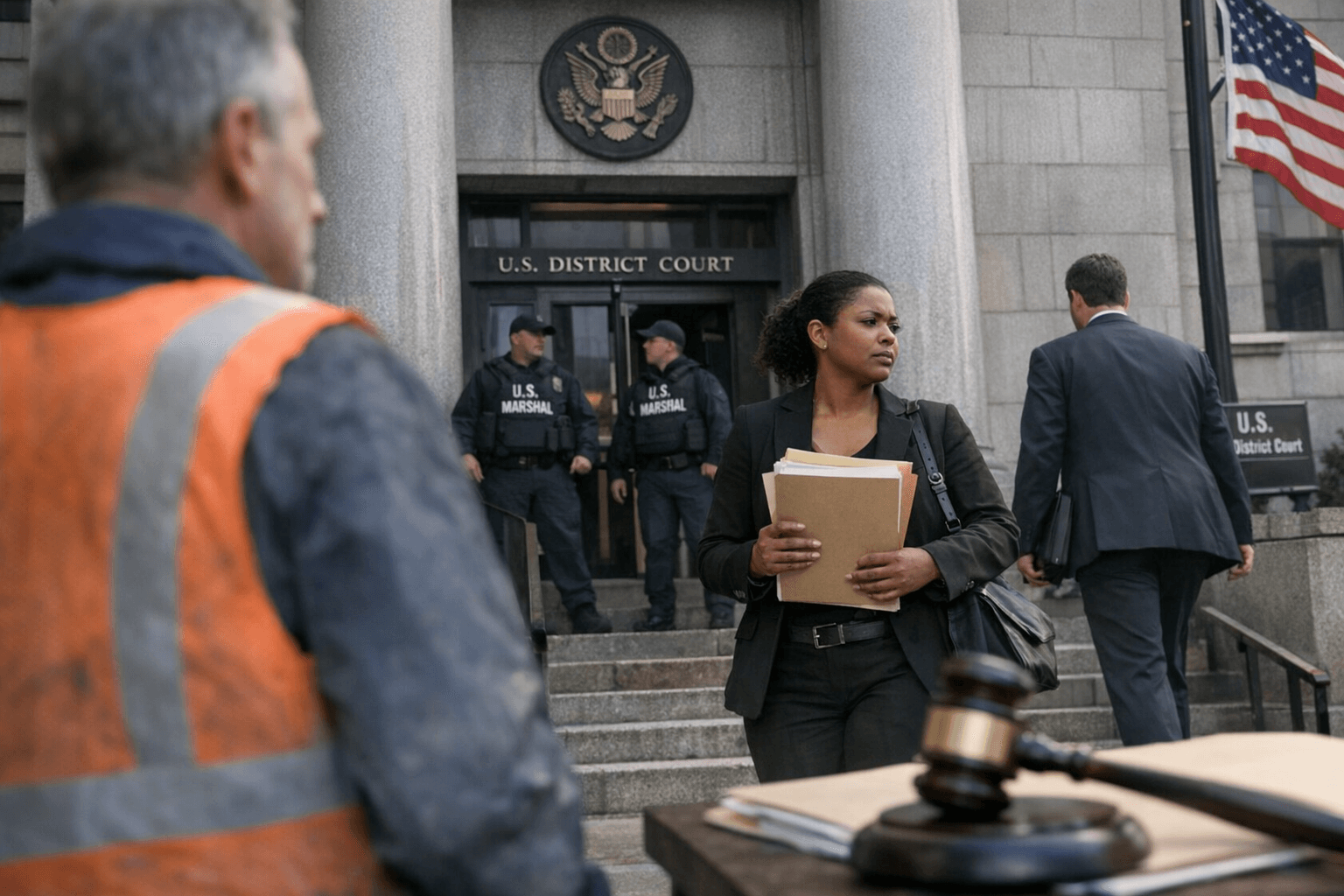
WHD Clarifies FLSA Wage and Overtime Rights for Retail Employees
WHD has clarified how the FLSA governs pay, overtime, recordkeeping, and child-labor rules for retail workers, with practical tests for coverage and exemptions.
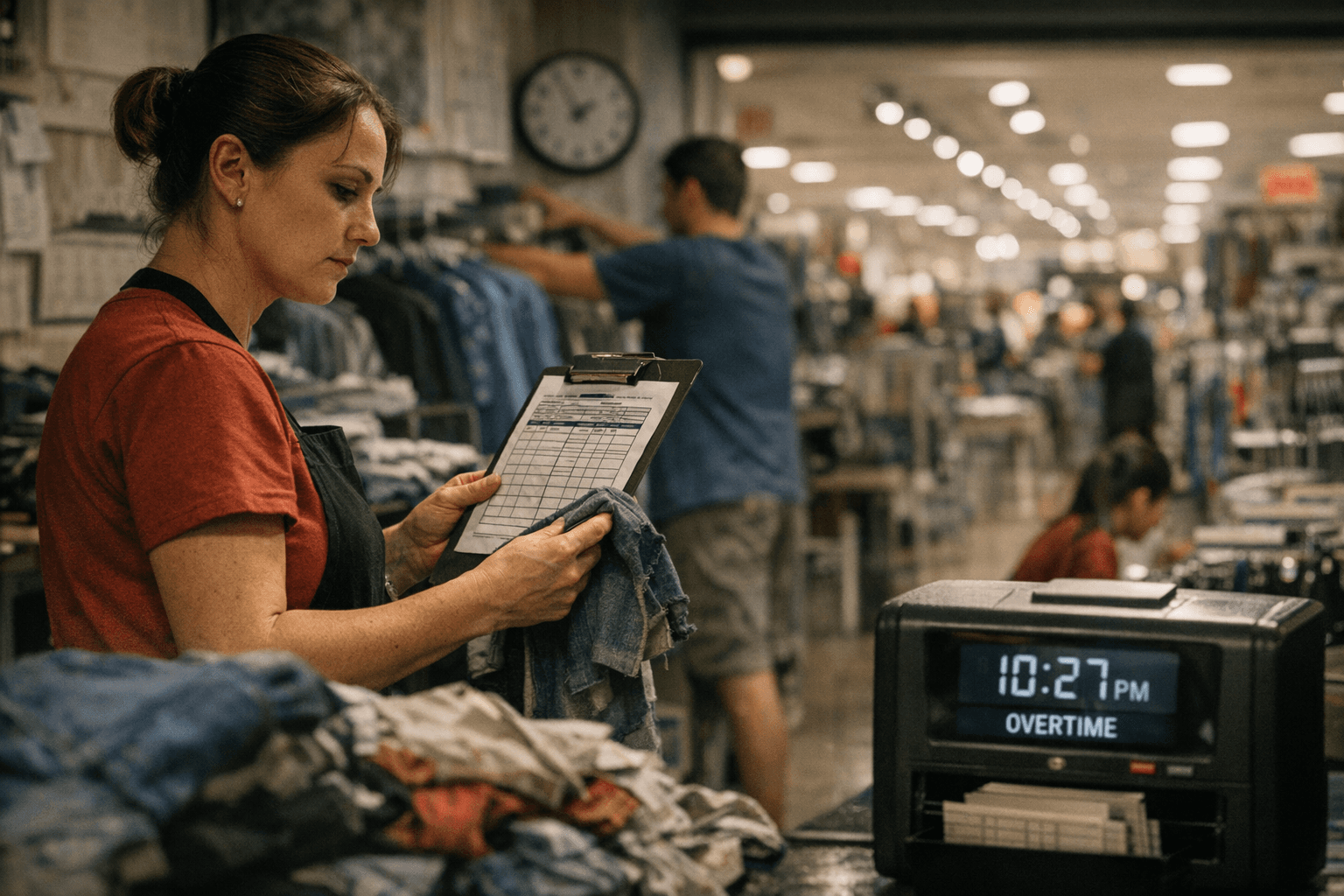
The U.S. Department of Labor’s Wage and Hour Division has restated the federal baseline rights that govern pay and overtime for retail employees and outlined how investigators enforce those rules. That matters to store associates and managers because the guidance defines who is covered, common violations to watch for, and the narrow tests employers must meet to claim exemptions.
“The Fair Labor Standards Act (FLSA) establishes minimum wage, overtime pay, recordkeeping, and child labor standards affecting full-time and part-time workers in the private sector and in Federal, State, and local governments,” the WHD notes, and adds that its investigators “conduct investigations and gather data on wages, hours, and other employment conditions in order to determine compliance with the law regardless of workers’ immigration status. Where violations are found, they will recommend changes in employment practices in employment practices to bring an employer into compliance.”
Retail coverage is driven by enterprise and individual tests. A retail-focused guidance summarizes the common benchmark this way: “The FLSA covers most retail workers if their employer makes $500,000 or more in annual revenue (excluding excise taxes).” That same guidance warns that “but even if the store doesn’t reach that threshold, you could still be covered individually based on the kind of work you do,” and that “you're probably protected if your job regularly involves interstate activity, even small tasks.”
Workers and supervisors should pay attention to routine wage-hour problems cited in the retail guidance. “Not Paying for All Work Time” is highlighted with specific examples: “Time spent waiting at your station, prepping before opening, attending required meetings, or staying late at your manager’s request all count as work time. Unless you're completely off duty and free to use the time as you please, your employer must pay you.” The guidance also flags illegal pay deductions and additional protections for employees under 18.
Overtime rules remain straightforward for nonexempt employees: “The FLSA requires employers to pay non-exempt employees one and one-half times their regular rate of pay for any hours worked over forty hours in a workweek.” For some sales and commission employees, a narrow Section 7(i) exemption can apply only if two strict conditions are met: “their regular rate of pay exceeds 1.5 times the applicable minimum wage; and more than 50% of their total earnings in a representative period consist of commissions on goods or services.” The representative period must be “at least one month, but not longer than one year.”
Advocacy groups are pushing enforcement reforms. The National Employment Law Project recommends actions including “Set up a task force on subcontracting and independent contractor abuses, to coordinate with other agencies and sharpen enforcement strategies,” and to “Hold subcontracting (joint) employers accountable for wage and hour violations of their subcontractors using the broad employment definitions in the FLSA and the ‘joint employer’ regulation at 29 C.F.R. § 791.2.” It also urges pre-emptive anti-retaliation notices and “Develop a fast-track protocol for the SOL to institute proceedings seeking emergency injunctive relief for retaliation claims.”
Regulatory history remains relevant for interpretation. As the e-CFR states, “The Fair Labor Standards Act of 1938, as amended, is a Federal statute of general application which establishes minimum wage, maximum hours, overtime pay, equal pay, and child labor requirements that apply as provided in the Act,” and the code cautions that interpretive materials illustrate general principles and cannot address every fact pattern.
Store employees who believe their hours or pay are being mishandled can contact WHD by phone; “More detailed information on the FLSA and other laws administered by WHD is available by calling our toll-free help line 1-866-4US-WAGE (1-866-487-9243).” For large retailers and franchise operators, the clarifications mean closer scrutiny of timeclock practices, commission calculations, and classification choices. For associates, the bottom line is practical: track your work time, know whether your role touches interstate commerce or commission tests, and use WHD guidance and its investigators when questions about pay or retaliation arise.
Know something we missed? Have a correction or additional information?
Submit a Tip