WheatonArts Mid-Winter Antique Show Brings 40 Dealers to Millville
Learn what to expect at WheatonArts’ Mid‑Winter Antique Show, from 40 dealers and ticketing to local economic impacts and practical buying tips.
1. Event overview
The Mid‑Winter Antique Show runs two days at WheatonArts Event Center on the Museum of American Glass campus, offering a concentrated marketplace of antiques and vintage goods. Hours are 10:00 a.m.–4:00 p.m. both days, rain or shine, making it a reliable winter draw for Millville.
2. Dealer concentration
Approximately 40 quality dealers will exhibit, creating deep inventory across many categories and price points. That scale allows for strong price discovery and comparative shopping in one venue.
3. Merchandise mix
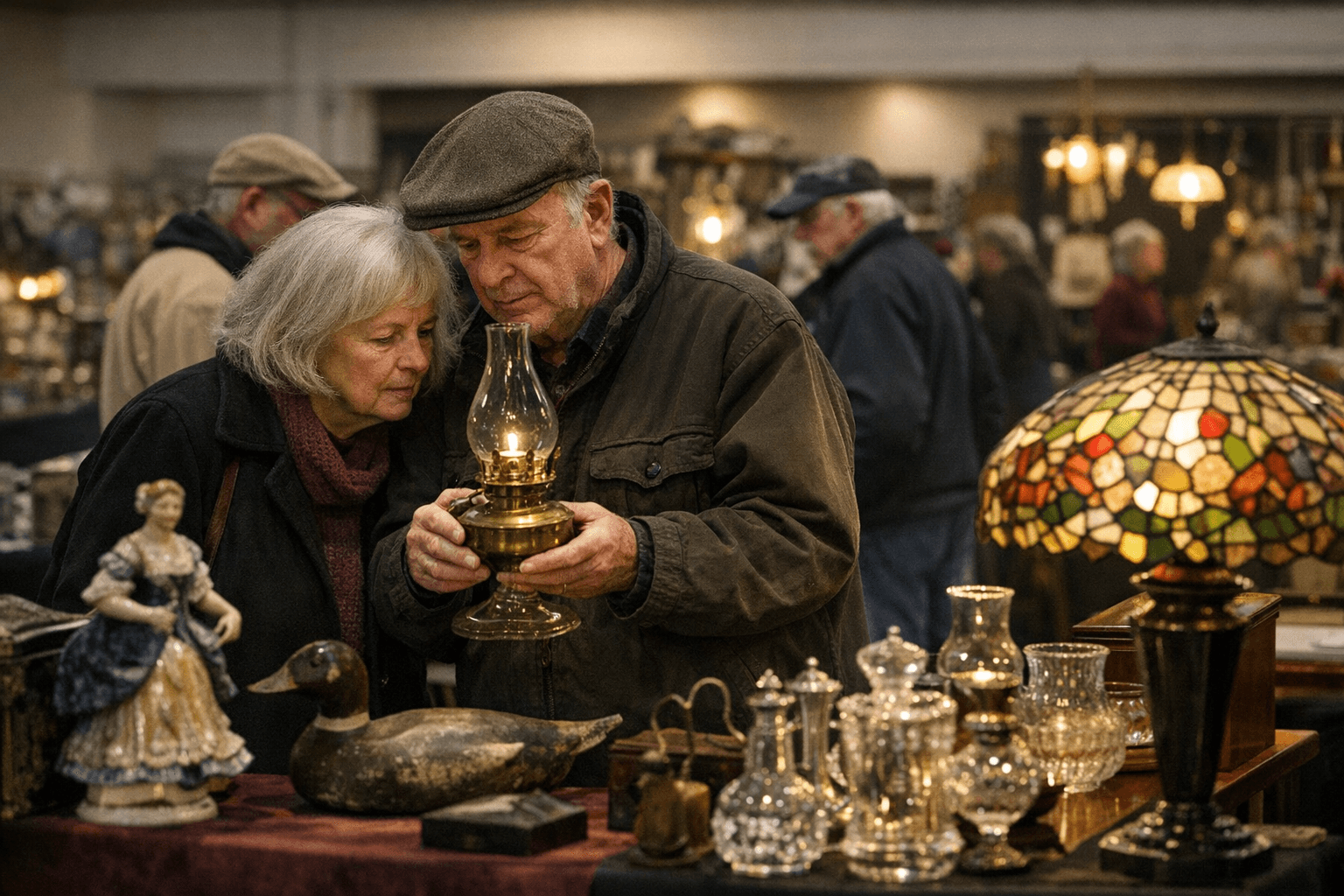
Expect antique furniture, books, ceramics, glass, jewelry, linens, memorabilia, paper, toys, pottery, primitives, and vintage accessories. The diversity supports both casual shoppers and specialist collectors looking for category-specific pieces.
4. Admission and ticketing
Admission is $8.00 per person, with tickets available online and at the gate; the event page links to Eventbrite ticketing. Paid entry generates direct revenue for the museum and helps manage crowd size.
5. WheatonArts as an anchor
WheatonArts and the Museum of American Glass act as a cultural and tourism anchor for Millville and Cumberland County. Events like this strengthen the campus’s role in the local arts economy and year‑round visitation.
6. Regional draw
The show historically attracts collectors and visitors from the Mid‑Atlantic region, not just Cumberland County residents. That geographic pull brings outside dollars into local businesses, boosting the regional tourism footprint.
7. Local economic impact
Admissions, dealer sales, and ancillary spending on food, gas, and lodging create a modest but meaningful local economic infusion over the weekend. Even with conservative turnout, the event supports micro‑enterprises downtown and on nearby commercial corridors.
8. Revenue illustration
If a few hundred visitors attend each day, admissions alone represent several thousand dollars in direct receipts; dealer sales multiply that impact through local tax receipts and vendor spending. These multipliers matter for small arts economies like Millville’s.
9. Seasonal strategy
Holding the show mid‑winter leverages a lower tourism season to maintain steady campus activity and generate weekday spillover to local merchants. Winter events help smooth seasonal employment and income for cultural organizations.
10. Cross‑promotion with museum programming
The WheatonArts calendar lists museum programming, hours, and seasonal details that complement the show, encouraging extended stays and repeat visits. Cross‑programming increases per‑visitor spending and educational value.
11. Contact and reservations
The event page provides phone and email contact information for WheatonArts for questions and reservations. Direct lines of communication help residents plan group visits and accessibility needs.
12. Venue logistics
The Event Center at 1501 Glasstown Road offers an indoor setting suitable for fragile glass and textiles, reducing weather risk to inventory. Indoor facilities also support consistent foot traffic patterns and visitor comfort.
13. Ticketing convenience
Online Eventbrite ticketing speeds entry and provides organizers with attendance estimates useful for staffing and safety planning. Buying ahead can shorten lines and facilitate early entry for serious buyers.
14. Rain‑or‑shine advantage
The rain‑or‑shine policy signals preparedness and reliability, a key factor for collectors planning travel from across the region. It also indicates the venue’s indoor capacity to handle crowds regardless of weather.
15. Collector profile
Collectors at regional shows tend to be a mix of serious specialists and casual buyers seeking decorative pieces, with buying behavior shaped by provenance and condition. That profile informs dealers’ inventory choices and pricing strategies.
16. Market implications for antiques
Shows provide price signals to the antiques market; successful sales at WheatonArts can influence regional valuations for categories like glass and ceramics. Dealers use these venues to test prices and clear seasonal inventory.
17. Liquidity of categories
Jewelry and small accessories offer higher liquidity and lower transaction friction, while large furniture pieces involve shipping/logistics and higher transaction costs. Buyers should weigh resale potential against transaction overhead.
18. Glass and ceramics spotlight
Given WheatonArts’ Museum of American Glass, glass and ceramics receive particular attention, attracting collectors interested in provenance tied to regional glassmaking history. That contextual advantage boosts perceived value of related items.
19. Paper and ephemera significance
Paper collectibles and memorabilia draw local historians and genealogists, connecting monetary value with cultural preservation. These items often circulate among local institutions and private collections.
20. Condition and restoration considerations
Assess condition carefully; restoration needs can materially affect value and future maintenance costs. Factor potential conservation expenses into your bid for any vintage or antique object.
21. Furniture and shipping
Large antiques require logistical planning: measurements, vehicle capacity, and shipping options influence purchase feasibility. Many dealers can provide packing and crate recommendations to manage those costs.
22. Price discovery dynamics
Auctions and shows create real‑time price discovery, allowing buyers to compare similar items and gauge market demand. Dealers adjust pricing throughout the day based on buyer interest and competition.
23. Negotiation etiquette
Polite, informed negotiation is standard—bring comparable research, know your maximum, and expect some give. Respectful bargaining preserves relationships useful for future purchases or alerts to new stock.
24. Investment vs. enjoyment
Antiques combine aesthetic enjoyment with potential long‑term value, but they should not be treated as high‑liquidity investments. Treat purchases primarily as durable consumption with possible upside.
25. Local multiplier effects
Visitors attending the show spend at local restaurants and shops, supporting jobs and sales tax collections. These ripple effects are especially valuable for winter weekends when local demand is softer.
26. Community cultural value
The show reinforces Millville’s identity as an arts town, showcasing material culture that complements local craft traditions. This cultural capital contributes to civic pride and placemaking.
27. Dealer origins and networking
Regional dealers from across the Mid‑Atlantic create networking opportunities for local collectors and institutional curators. Those connections can lead to future loans, exhibitions, or sales to local museums.
28. Sustainability angle
Buying antiques supports the circular economy by extending the life of goods, which aligns with local sustainability goals and reduces waste from fast consumption. Reuse is increasingly part of municipal policy conversations.
29. Sales tax and receipts
Expect to receive receipts for purchases; sales tax rules apply and documentation aids resale or insurance valuation. Keep records for provenance and potential conservation grants.
30. Accessibility and inclusivity
WheatonArts typically provides visitor information on accessibility; check the calendar or contact the museum for accommodations. Inclusive access encourages broader community participation.
31. Family considerations
With toys and memorabilia on offer, the show can be family‑friendly if you plan visits within the 10–4 schedule. Use the museum context to turn shopping into an educational outing for younger visitors.
32. Volunteer and staffing opportunities
The event depends on staff and volunteers; volunteering supports the museum and offers behind‑the‑scenes exposure to the antiques trade. Check with WheatonArts about available roles and benefits.
33. Marketing benefits for dealers
Participation gives dealers exposure to new regional customers and can lead to online sales long after the weekend. Local press and Eventbrite listings extend visibility beyond physical attendance.
34. Risk management for buyers
Take photos, ask about return policies, and ensure condition reports before purchasing valuable items. These practices reduce post‑purchase disputes and protect both buyers and sellers.
35. Pricing spectrum
Expect a broad pricing spectrum from affordable vintage accessories to higher‑end furniture and glass, enabling participants with varied budgets to find items. Dealers price to local demand and show demographics.
36. Educational takeaways
Beyond buying, the show is a learning forum—compare maker marks, construction techniques, and period styles to build collecting expertise. That knowledge increases buyer confidence and market literacy.
37. Long‑run implications for Millville
Regular events like this support a stable cultural economy that can attract investment, residency, and related small businesses over time. Sustained programming helps diversify the local tax base.
38. Practical logistics for large purchases
If you plan to buy large items, arrange pickup or shipping in advance and confirm packing standards with the dealer to avoid last‑minute headaches. Factor these costs into your total purchase price.
39. Realistic expectations
Come with a wish list and price limits; the best finds often require patience and early arrival. Treat the show as both a market and a social event where relationships matter as much as transactions.
40. Final practical wisdom
Plan ahead—buy tickets online, review the WheatonArts calendar, and contact the museum with questions—then arrive early with measurements and a clear budget. Doing the homework turns a winter weekend in Millville into a smart buy for your home and the local economy.
Sources:
Know something we missed? Have a correction or additional information?
Submit a Tip