White House aides clash over how to spend $500 billion military boost
The administration approved a $500 billion increase in defense spending, but senior aides are divided over what it should buy and how to avoid worsening deficits.
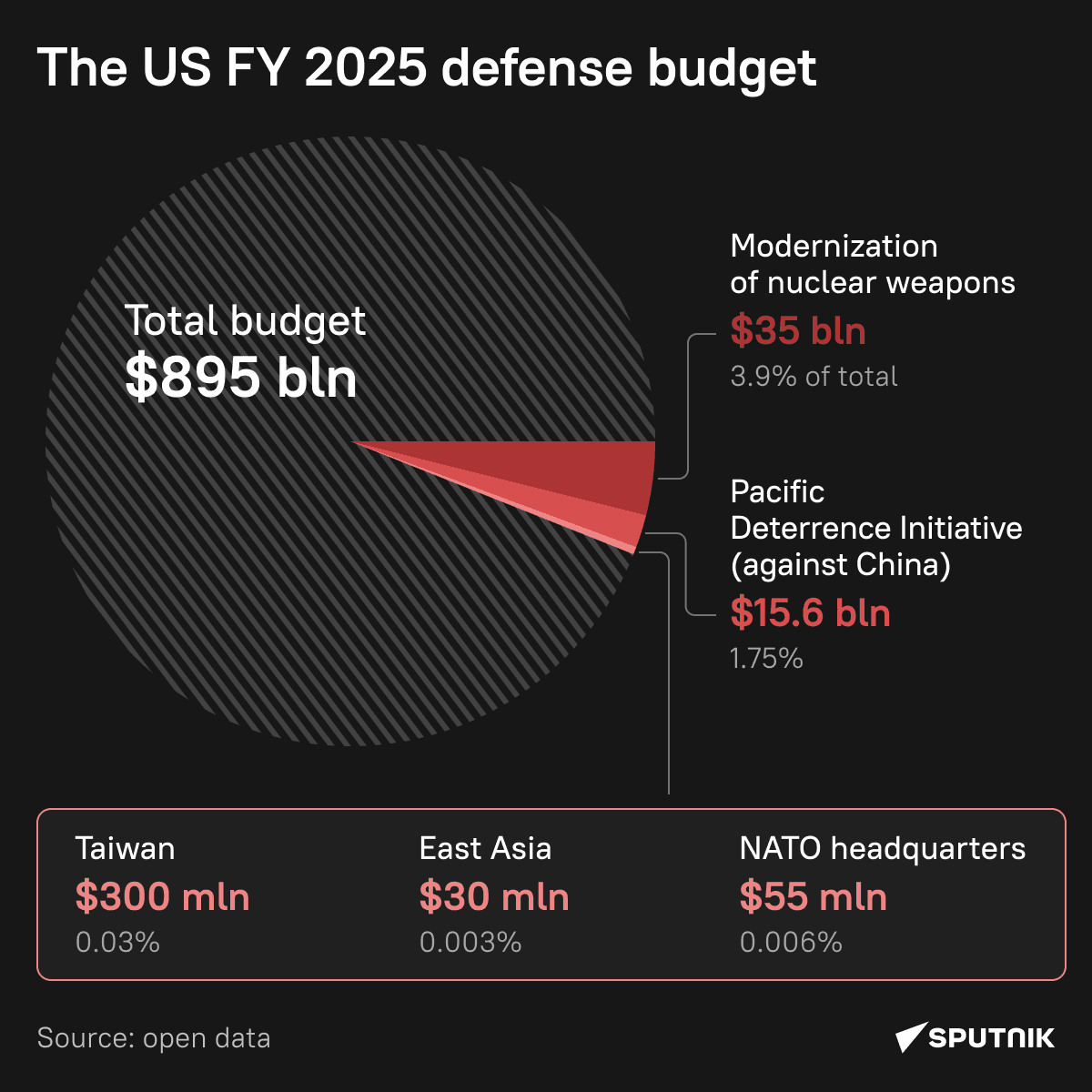
The administration's approval of a $500 billion increase in military spending has sparked a sharp internal debate as senior aides struggle to translate headline funding into concrete programs and economic trade-offs, sources familiar with deliberations say. Some senior officials resisted signing off on the magnitude of the boost, arguing that the White House moved before a clear spending plan was in place.
The dispute centers on competing priorities inside the government: rapid procurement of munitions and ships to reassure allies, long-term investment in artificial intelligence and cyber capabilities, replenishing wartime stockpiles, and shoring up the domestic defense industrial base. Each option carries distinct fiscal and economic consequences, and officials disagree about which mix best advances U.S. security without exacerbating inflation and borrowing costs.
Supporters of aggressive procurement point to urgent operational shortfalls in munitions and shipbuilding that, they argue, can be addressed relatively quickly with directed contracts and surge production. Advocates for technology and R&D emphasize that long-run competition with China demands sustained funding for AI, microelectronics, and advanced sensors that do not yield immediate headlines but could determine battlefield advantage over the next decade.
Skeptical aides raised concerns about the fiscal arithmetic. The $500 billion sum, pitched as a near-term top-up to the defense budget, will require substantial Treasury financing unless offset by cuts elsewhere or higher taxes. That trade-off pressures domestic priorities such as infrastructure, health care, and social programs at a time when long-term deficit projections remain elevated. The debate mirrors a wider policy question: whether the United States should prioritize rapid capacity increases or strategic modernization that spreads costs and benefits over multiple years.
Economic consequences extend beyond federal budgets. Defense contractors and related industrial suppliers stand to gain market share and jobs from a sustained procurement surge, potentially supporting manufacturing employment in key states. Conversely, rapid increases in government demand for labor, materials, and capital could put upward pressure on prices in sectors already facing supply constraints. Treasury markets and interest-rate expectations may react to perceptions of larger future deficits if the spending is not paired with revenue or cuts elsewhere.

The internal disagreement also has geopolitical implications. Some aides warn that a scattershot spending approach risks signaling commitment without delivering capabilities, while others argue that visible increases in production capacity will strengthen deterrence and reassure NATO allies. How the funds are spent will affect alliance burden-sharing dynamics and procurement choices among U.S. partners.
Officials are now working on a set of options that lay out programmatic priorities, procurement pacing, and potential offsets. Those proposals are expected to include mixes of front-loaded buys for munitions and shipbuilding, multi-year contracts for advanced R&D, and targeted industrial policy measures to expand supplier capacity. The final plan will test the administration's ability to balance short-term operational demands with long-term fiscal discipline.
For taxpayers and markets, the outcome matters: the allocation will shape defense industry revenues, regional job patterns, and the federal financing task for years to come. The core question for policymakers remains whether the $500 billion will be spent to close immediate gaps or redeployed to reshape the force for future competition. Sources say the fight over that choice is far from settled.
This article was produced by Prism’s automated news system from verified source data, official records, and press releases, then run through automated quality and moderation checks before publishing. The system is built and supervised by the people who set the standards it runs under. Read our full AI policy.
Did this article answer your question?

