White House backs $700 million plan to revive coal industry
The White House is steering nearly $700 million to coal just as the industry has spent decades shrinking, with new plants and export infrastructure in the mix.

The White House is using nearly $700 million in federal money to try to revive an industry that markets have been abandoning for years, betting that coal still belongs in America’s power system even as demand has moved elsewhere. The plan pairs Cold War-era Defense Production Act authorities with a new push for coal plants, export capacity and plant upgrades, turning a long-declining fuel into a test of federal industrial policy.
Under the plan, $425 million would go to upgrades at 13 existing coal plants. Another $185 million would be used to match corporate funds for coal facilities in Alaska, Maryland and West Virginia, and $75 million would support the long-planned West Gateway export terminal in Northern California. The White House’s April 20, 2026 determination said coal supply chains and baseload power generation capacity were essential to national defense.
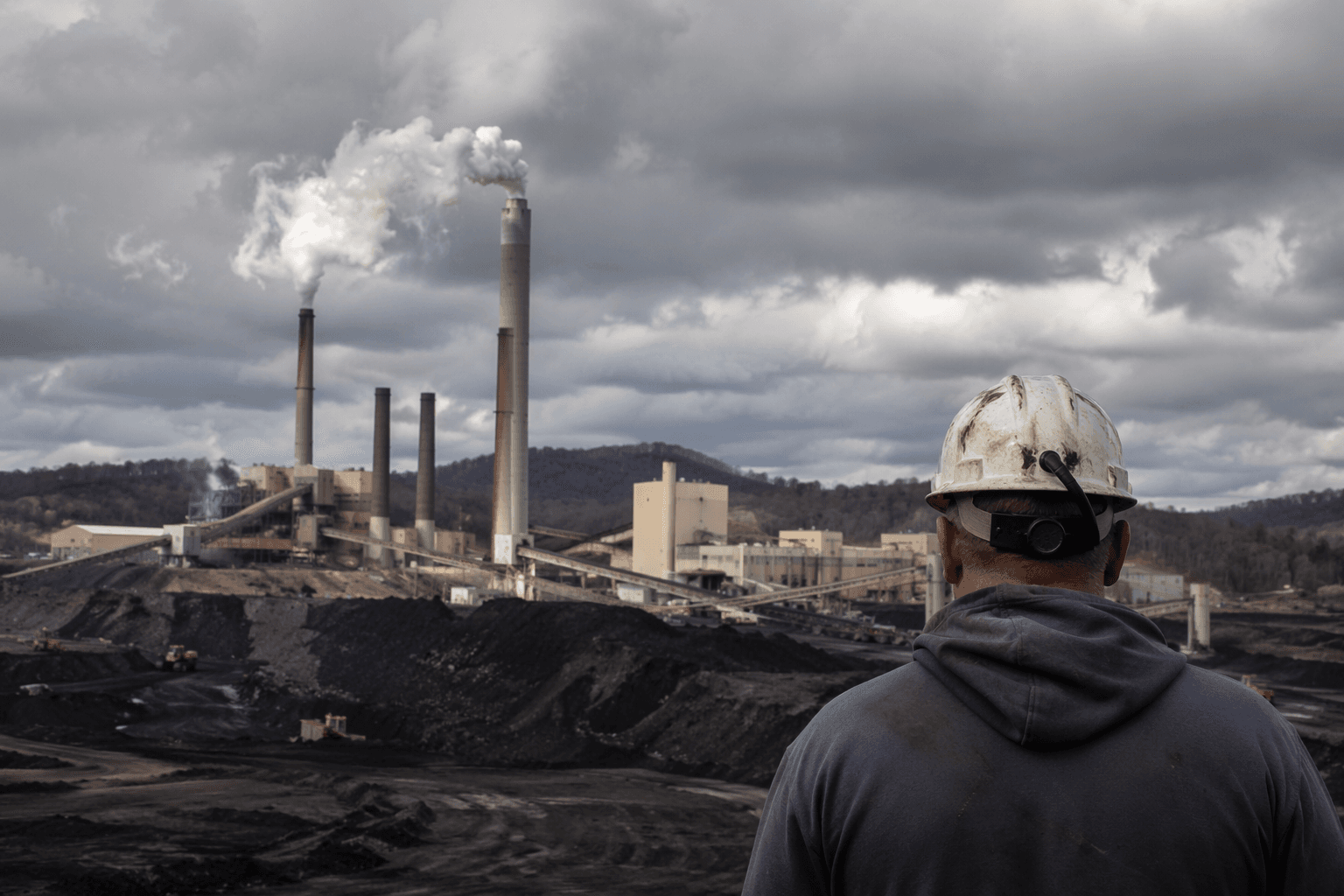
That determination ties the money to grid resilience, defense installations, industrial expansion and the electricity needs of artificial intelligence data centers, reflecting the administration’s argument that coal remains useful in a more power-hungry economy. The move would also mark the first federal backing for new U.S. coal plants since 2013, with plans that include two new coal plants in Alaska and West Virginia and the restart of at least one previously shuttered plant in Maryland.
The feasibility of that expansion is the central question. West Virginia officials said the new plant would likely be in the Mount Storm area of Grant County, and the last coal-fired facility built in the state was the Longview Power Plant, which opened in December 2011. In a state where coal once defined the economy, the proposal is being framed as a comeback. Nationally, however, the industry has been shrinking for decades. A Congressional Research Service report says U.S. coal consumption peaked in 2007 and production in 2008, while coal employment has fallen 92% over a century.
Public reaction split sharply along the same fault lines. Chris Hamilton, president of the West Virginia Coal Association, called the announcement the most impactful for the state’s coal industry in nearly 50 years. Sen. Shelley Moore Capito welcomed it as a way to address power shortages and preserve affordable electricity. Sierra Club said the plan would prop up expensive coal plants, harm public health and raise electricity prices.
The result is a policy that looks like both industrial strategy and political symbolism. Federal dollars are now aimed at a fuel that once supplied more than half of U.S. electricity but has fallen below one-fifth in recent years, raising a larger question about whether Washington is rebuilding coal or only signaling loyalty to it.
This article was produced by Prism’s automated news system from verified source data, official records, and press releases, then run through automated quality and moderation checks before publishing. The system is built and supervised by the people who set the standards it runs under. Read our full AI policy.
Did this article answer your question?

