White House ballroom faces $600 million cost, security funds fuel scrutiny
The ballroom’s cost rose to $600 million as $351.6 million in Secret Service security money deepened doubts about who is really paying.
The White House says private donors are financing its new ballroom, but the public money trail runs through a fresh $351.6 million release to the Secret Service for White House security measures. Other June reports said nearly $400 million had already been deposited into White House security accounts, even as internal contractor estimates pushed the ballroom’s price tag to $600 million and left taxpayers projected to cover about half.
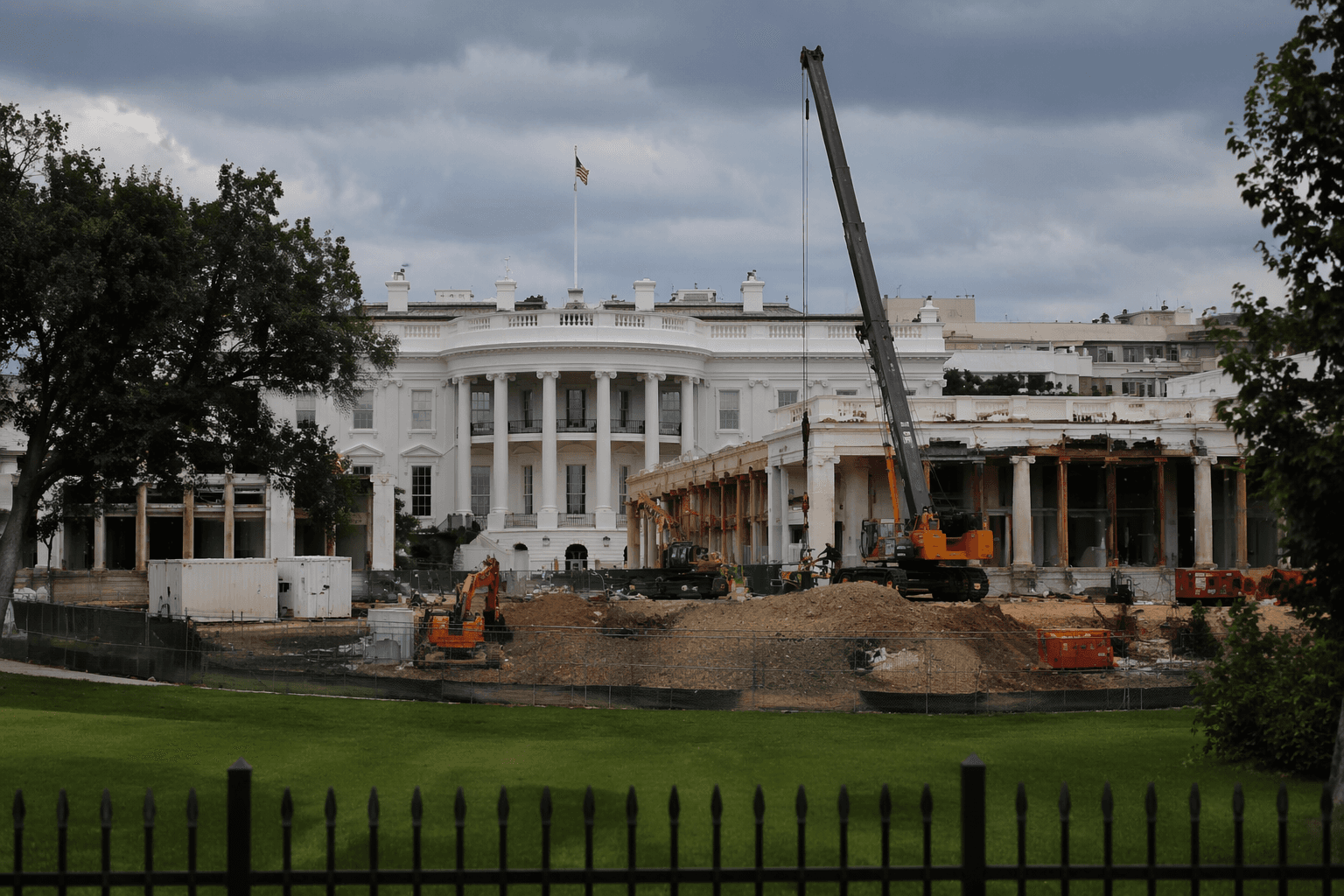
The project was announced in July 2025 for the East Wing site, a section of the White House that was built in 1902 and later heavily altered, including the addition of a second story in 1942. The White House has said the ballroom will stand apart from the main residence but match its architectural theme and heritage. President Donald Trump was publicly visiting the ballroom and East Wing construction site by May 19, 2026, signaling that work had moved beyond the planning stage.
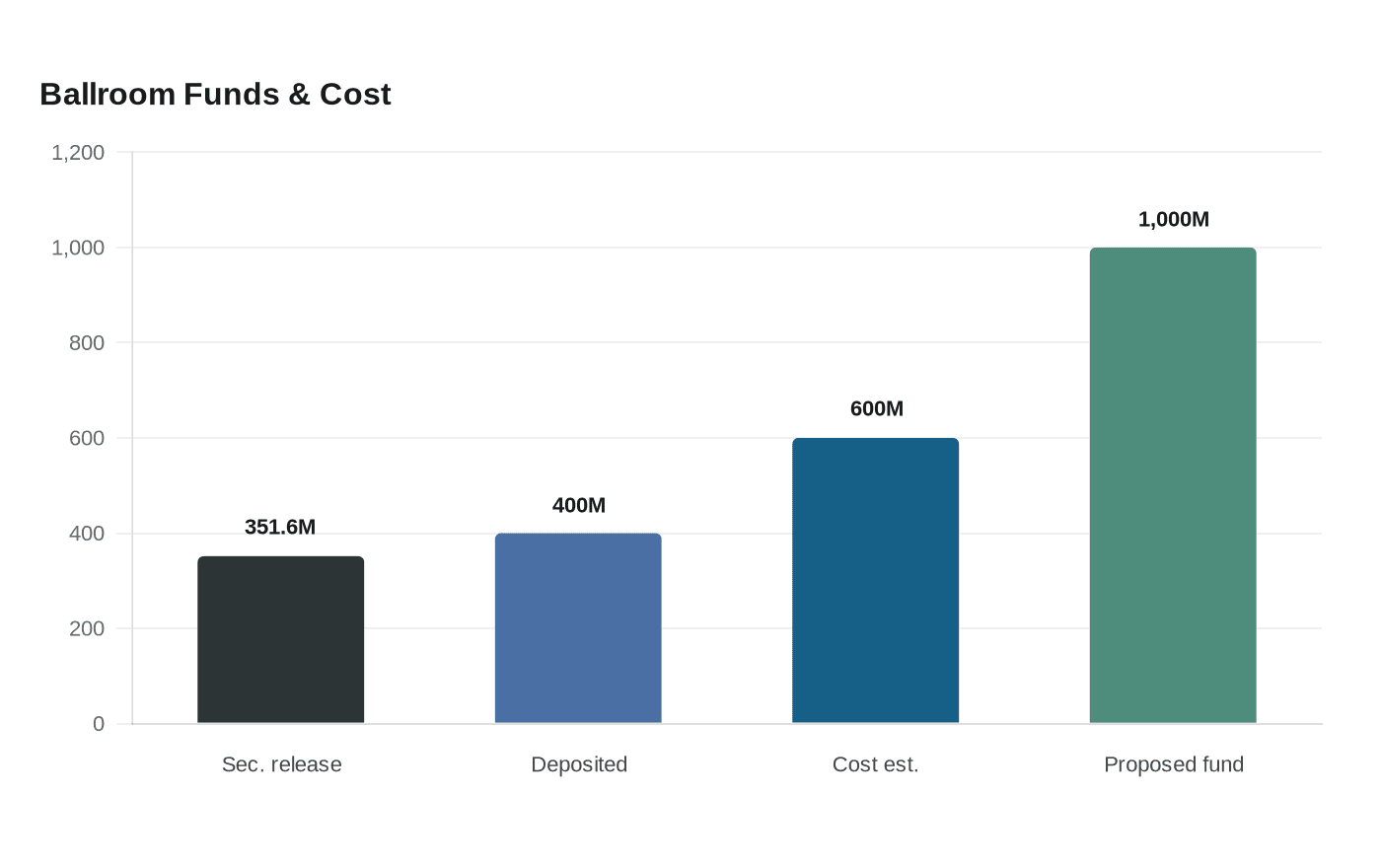
Administration officials have argued that the taxpayer-funded security work is separate from the ballroom itself. They have pointed to items such as a hospital under the ballroom and a rooftop drone center as security-related expenses. But that distinction has not quieted criticism, especially after the White House and Senate Republicans previously described up to $1 billion in proposed funding as Secret Service and security money rather than ballroom construction money. Senate Republicans later removed that funding from an immigration enforcement bill after procedural and political objections.
The Secret Service’s mission, which includes protecting the president, vice president, their families, the White House and other protectees, gives the spending its public rationale. It also explains why watchdogs and Democrats are pressing for more clarity on whether security accounts are being used to subsidize a marquee project that the White House says is privately financed. The White House has disclosed 21 corporate donors but has not publicly revealed how much each gave, and the contract reportedly allows anonymous donors while limiting conflict-of-interest safeguards.
Public Citizen has said 27 corporate donors to the project collectively received more than $50 billion in federal contracts over the previous six months, a detail that has intensified pay-to-play concerns. With the ballroom’s price rising and the security line between public and private spending still blurred, the fight is no longer just over architecture. It is over transparency, precedent and who gets to pay for a president’s legacy project.
This article was produced by Prism’s automated news system from verified source data, official records, and press releases, then run through automated quality and moderation checks before publishing. The system is built and supervised by the people who set the standards it runs under. Read our full AI policy.
Did this article answer your question?

