White House Delays Permanent CDC Director Pick, Search Continues
The White House has no timetable for naming a permanent CDC director, leaving NIH official Jay Bhattacharya in the acting role as vetting of candidates continues.
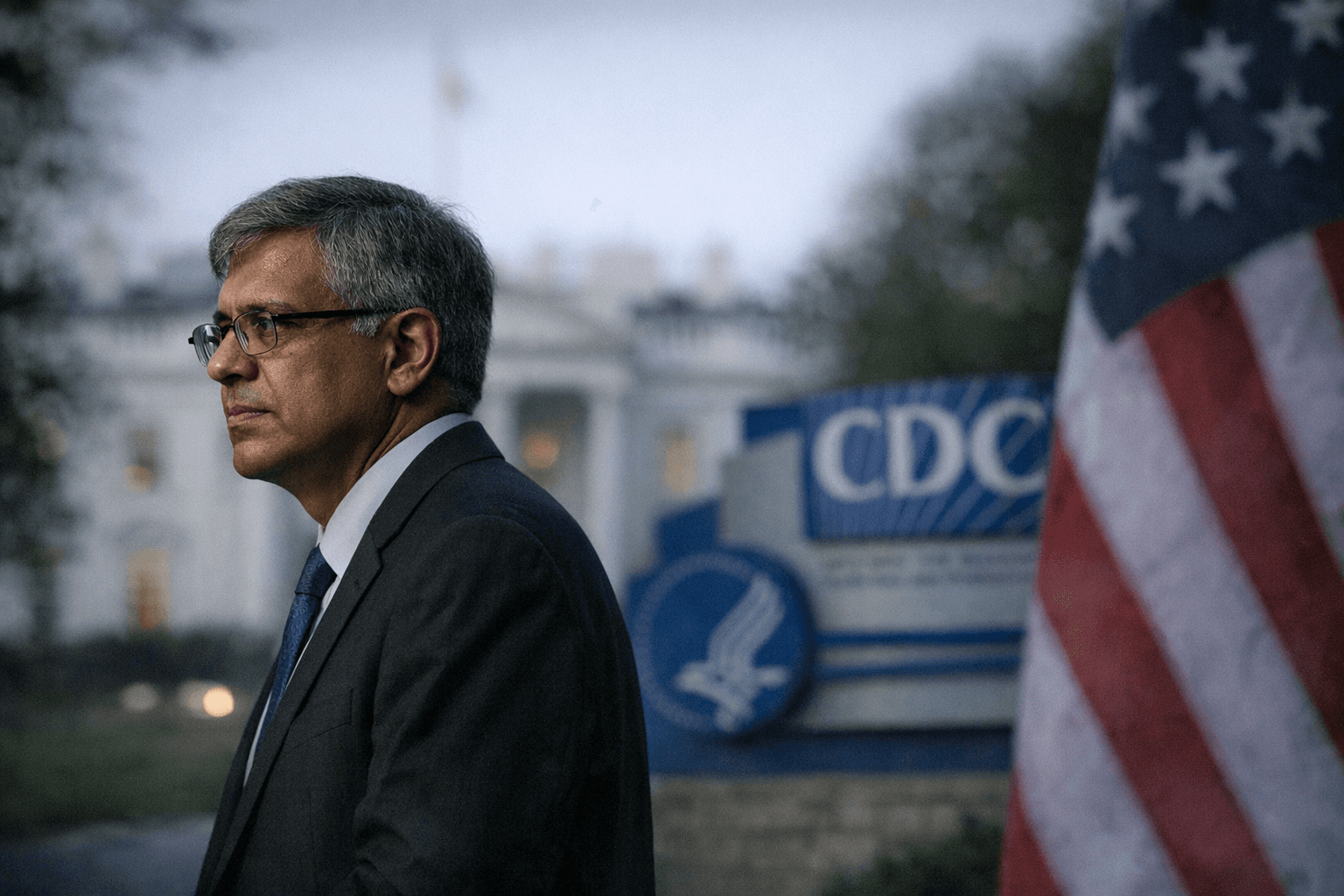
The White House confirmed it has no immediate timetable for naming a permanent director of the Centers for Disease Control and Prevention, leaving NIH official Jay Bhattacharya in the acting role while senior political and public-health aides continue vetting potential candidates and conducting outreach to prospects.
The pause followed internal deliberations over finding a candidate who can both survive the Senate confirmation process and align with the administration's intended policy direction at the agency. The CDC has become a flashpoint in recent months over vaccination guidance and pandemic preparedness, making the appointment politically sensitive enough that the White House moved to avoid a rushed selection that could give opponents an opening during an election year.
The distinction between acting and confirmed leadership is more than procedural. A Senate-confirmed director carries the mandate to shape long-term scientific staffing, reconstitute expert advisory panels and set multiyear policy priorities. An acting official is largely confined to maintaining day-to-day operations. The longer the vacancy extends, the more consequential that gap becomes for the agency's scientific agenda and institutional structure.
Public-health advocates warned that the delay could slow specific initiatives: research funding prioritization, the rebuilding of expert advisory panels and multiyear preparedness planning. Congressional Democrats raised concern that prolonged acting leadership erodes morale and limits the kind of long-term planning that state public-health departments and health-care partners depend on when they align their operations with federal guidance.
The political calculus the White House is navigating centers on a particular tension: a candidate acceptable to the public-health establishment may face resistance in a confirmation hearing, while a nominee who fits the administration's more skeptical posture toward existing public-health institutions could face an equally difficult path to Senate approval. Lawmakers on both sides of the aisle have historically converted prolonged public-health vacancies into oversight hearings and political messaging, pressure that further complicates recruitment.
The White House said its eventual nominee would undergo thorough vetting before being sent to the Senate for confirmation, but offered no target date for when that process would conclude. Scientists inside the agency, state epidemiologists and health-care partners who plan budgets and programs around federal direction are left absorbing the uncertainty, compounding the personnel turnover and institutional turbulence the CDC has already experienced in recent months.
This article was produced by Prism’s automated news system from verified source data, official records, and press releases, then run through automated quality and moderation checks before publishing. The system is built and supervised by the people who set the standards it runs under. Read our full AI policy.
Did this article answer your question?

