White House Dinner Shooting Attempt Reignites Fears of Political Violence
An attempted shooting at the White House Correspondents Dinner deepened alarms over political violence, even as investigators still had no clear motive.
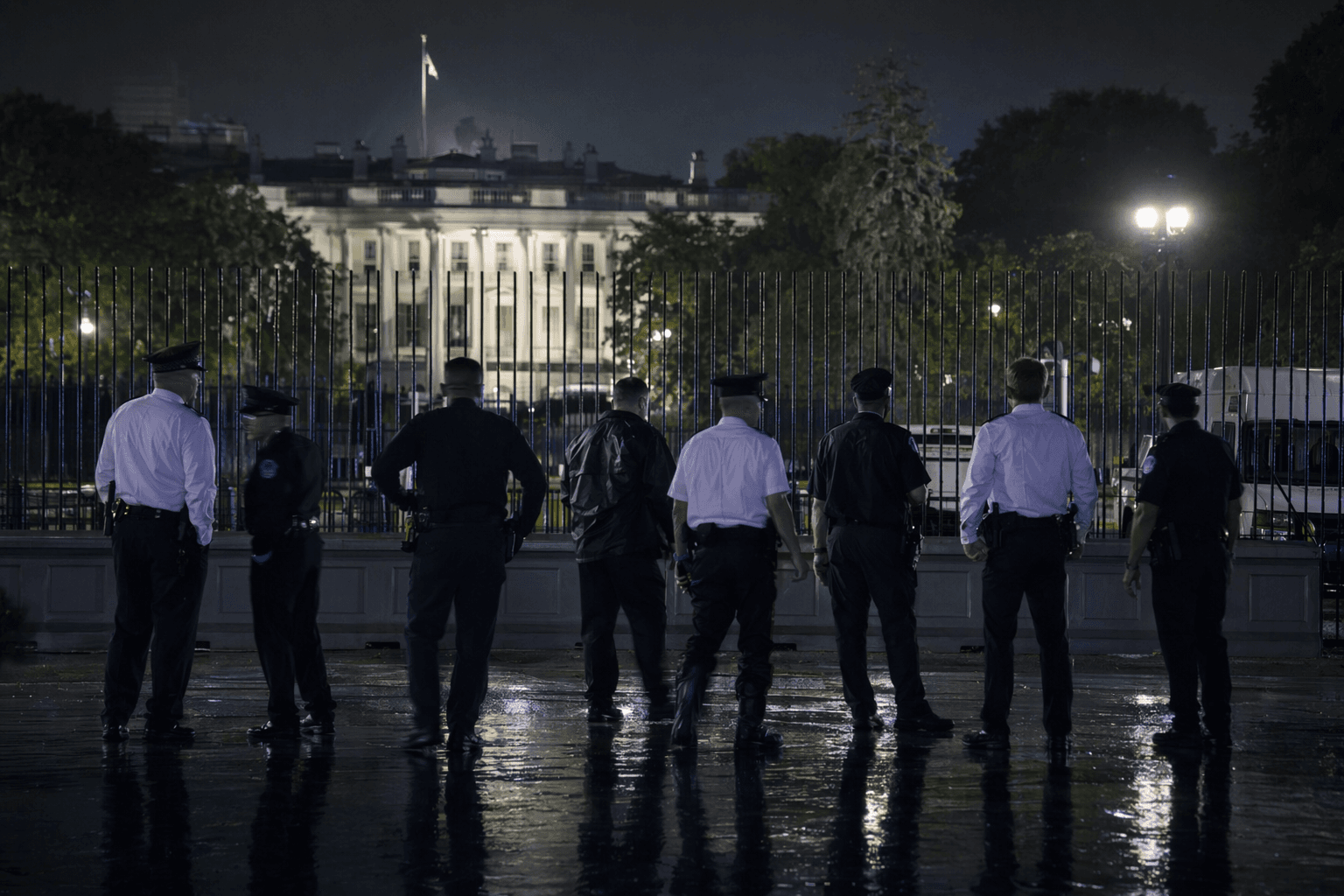
An attempted shooting at the White House Correspondents Dinner renewed a grim question that has shadowed American politics for more than a year: why do some men move toward violence without leaving a clean ideological trail?
The answer matters because investigators have repeatedly found planning, surveillance and suspicious behavior in recent attacks on Donald J. Trump, but not always a clear manifesto or a single political lineage. In Butler, Pennsylvania, the FBI said it continued to investigate the July 13, 2024, shooting as an attempted assassination and potential domestic terrorism. The bureau also said the suspect searched campaign events for both Trump and Joe Biden from April 2024 through July 12, including events in Western Pennsylvania, suggesting fixation and planning without an obvious ideological script.
The Butler attack remains the clearest warning sign. Thomas Matthew Crooks, 20, fired eight rounds from a roof less than 150 yards from Trump, according to Associated Press reporting. One attendee was killed and three others were wounded before Crooks was shot dead by a Secret Service counter-sniper. The episode exposed major security and communication failures and forced a broader reckoning over protection of political candidates. Biden called for unity and ordered a review of what went wrong, underscoring how political violence had already become a central issue in the 2024 campaign.
A second apparent attempt in Florida deepened the concern. Authorities said Ryan Wesley Routh, 59, camped outside Trump International Golf Club in West Palm Beach with food and a rifle for nearly 12 hours before being arrested. The Justice Department said Routh was convicted of attempting to assassinate then-presidential candidate Donald J. Trump and related violent and firearms offenses, and was sentenced on February 4, 2026, to life plus 84 months in federal prison. That case, like Butler, showed careful preparation and access to weapons, but it did not resolve the larger question of motive.
That uncertainty is what makes the White House dinner incident so unnerving. The danger is not only from organized extremism with a clear banner, but from fragmented radicalization, the kind of drift in which grievance, obsession and violence can harden together without a tidy political label. In that environment, investigators can trace searches, travel, weapons and timing; they can struggle to explain belief.
For public officials, campaign workers and the security services assigned to protect them, the lesson is stark. The threat has become broader, more erratic and harder to predict, while the country continues to absorb the costs of attacks that are understood in detail only after lives have already been lost.
This article was produced by Prism’s automated news system from verified source data, official records, and press releases, then run through automated quality and moderation checks before publishing. The system is built and supervised by the people who set the standards it runs under. Read our full AI policy.
Did this article answer your question?

