White House dinner shooting sparks evacuation, blame and calls for unity
A dinner meant to show Washington's unity ended with an evacuation, one officer shot in a vest and a new fight over who is fueling the violence.
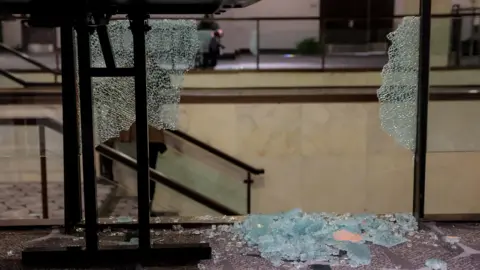
A bullet struck a White House officer’s protective vest and sent President Donald Trump, first lady Melania Trump and members of the Cabinet scrambling out of the White House Correspondents’ Association dinner in Washington, D.C. The shooting on April 25 turned an elite political gathering into another scene of panic, and quickly into another test of how the country responds when violence reaches the center of power.
Authorities later identified the suspect as Cole Tomas Allen of Torrance, California, and the Justice Department said he was charged with attempted assassination of President Donald Trump. The incident fit the pattern that has become grimly familiar in American politics: a burst of shock, an emergency evacuation, and an immediate search for blame before the facts are fully absorbed.
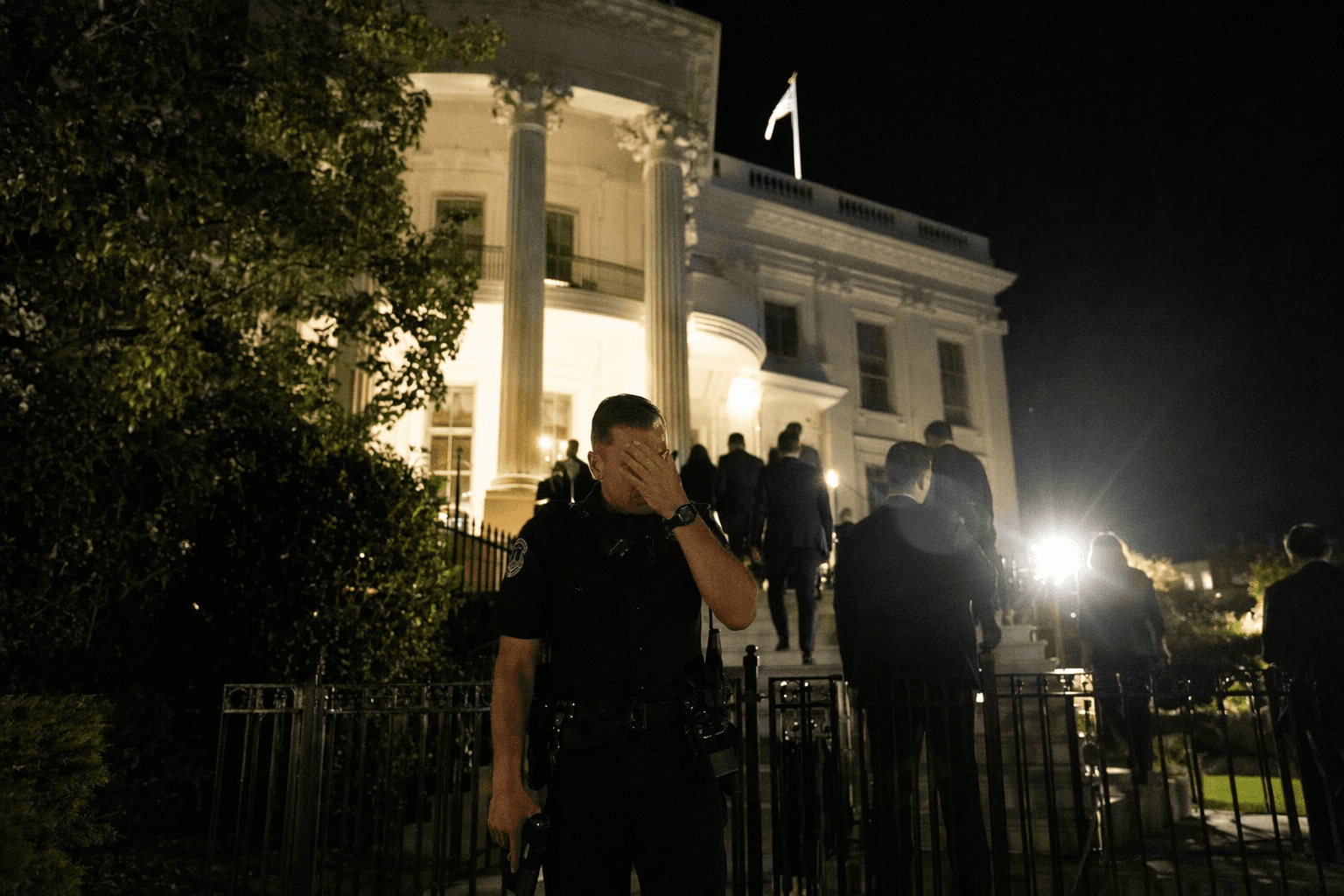
Trump first urged Americans to bridge their differences, but by Sunday he had shifted to a sharper political attack, blaming Democrats and their rhetoric for creating a dangerous climate. Republicans quickly picked up that line, arguing that Democratic language has normalized political violence, while Democrats rejected the premise and warned against using the attack as a partisan cudgel. The day after the shooting, the country was already back in the cycle that follows each high-profile act of political violence, where condemnation is swift but prevention remains harder to see.
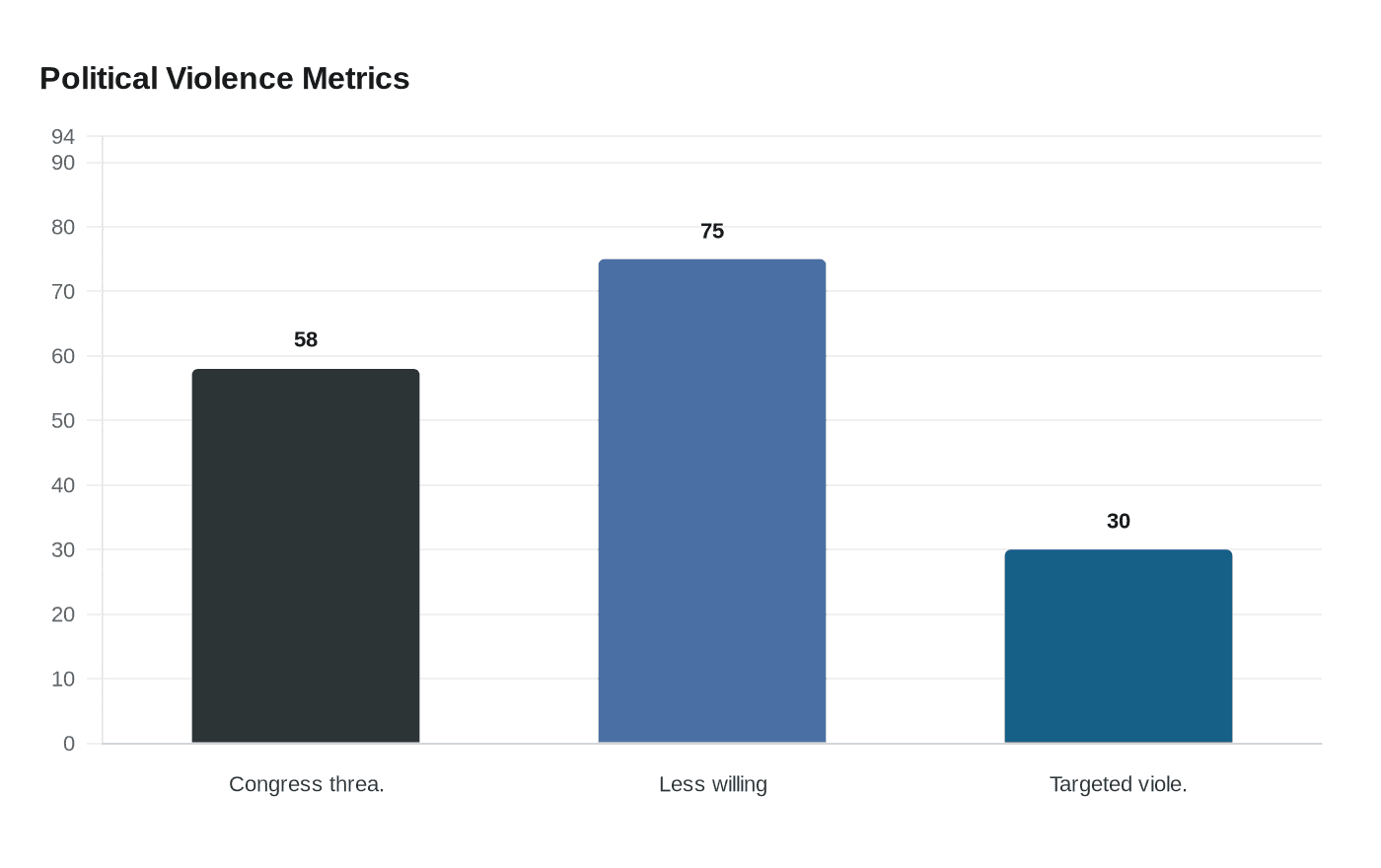
The danger is not anecdotal. The Bridging Divides Initiative said reported incidents of political violence increased in 2025, with targeted violence rising by more than 30% from 2024 to 2025. The U.S. Capitol Police reported a 58% increase in threats against members of Congress, and the initiative said 75% of local officials surveyed in the third quarter of 2025 were less willing to engage in key political activities because of hostility. The result is not just fear at the top of government, but a chilling effect on the local officials, staffers and aides who keep democracy running.
Leaders abroad condemned the attack as well. U.K. Prime Minister Keir Starmer denounced assaults on democratic institutions and press freedom, and European Commission President Ursula von der Leyen said violence has no place in politics. The reaction underscored how American political violence is now viewed as part of a wider democratic stress test, not an isolated security breach.
The United States has lived through this before, from the assassinations of Abraham Lincoln, James A. Garfield, William McKinley and John F. Kennedy to the shooting of Gabrielle Giffords, the 2017 attack on Steve Scalise and the 2024 attempts on Trump in Butler, Pennsylvania, and at his Florida golf course. The White House dinner shooting added another name, another evacuation and another warning that the country keeps calling these acts aberrations even as they arrive with growing regularity.
This article was produced by Prism’s automated news system from verified source data, official records, and press releases, then run through automated quality and moderation checks before publishing. The system is built and supervised by the people who set the standards it runs under. Read our full AI policy.
Did this article answer your question?

