White House orders AI firms to brief government before model releases
AI firms would have to brief Washington on frontier models before launch, giving the government first look at the technology and new leverage over release decisions.

The White House moved to claim first access to the most powerful AI systems, ordering companies to brief the government before releasing new frontier models to the public. That turns model launches into a power test: who sees advanced AI first, the public, the market, or Washington.
The order fits into a broader Trump administration campaign to make AI leadership a national security and economic priority. Donald J. Trump signed Executive Order 14179, “Removing Barriers to American Leadership in Artificial Intelligence,” on Jan. 23, 2025, then the White House released “Winning the AI Race: America’s AI Action Plan” on July 23, 2025. The administration said that plan contained more than 90 federal policy actions spanning innovation, infrastructure, and international diplomacy and security.
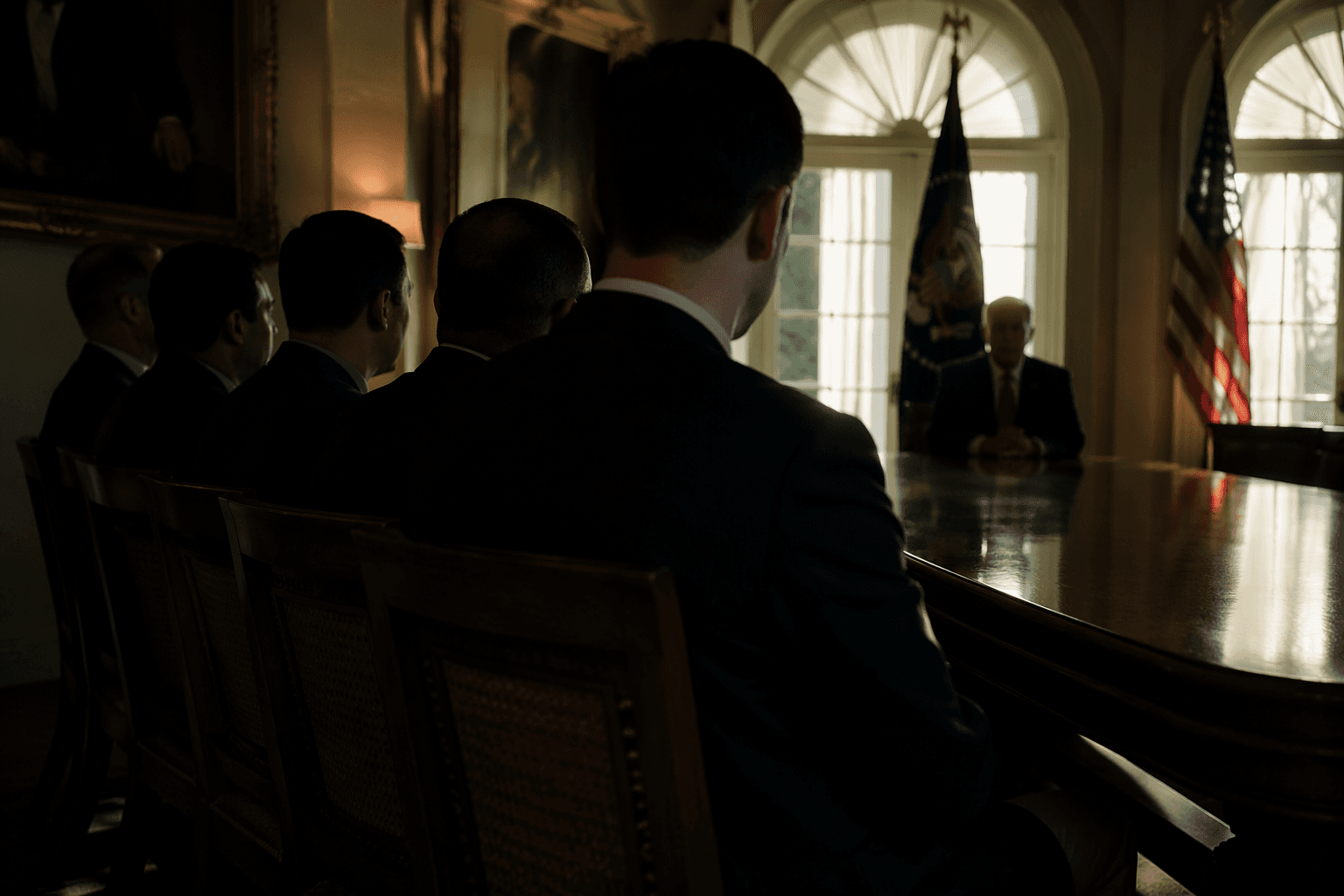
Washington had already started changing how federal agencies buy and use AI. The Office of Management and Budget issued revised guidance on April 7, 2025, aimed at federal agency AI use and procurement, part of the same effort to lower what the White House has described as burdensome regulation. The administration has also pushed back against a patchwork of state AI rules and pressed for a national framework instead.
The latest order raises the stakes for companies developing frontier systems. By requiring previews before public release, the government gains an early look at capabilities, risks, and potential security problems before consumers, competitors, and investors do. That can give federal officials more leverage over deployment and procurement, especially as the White House has emphasized frontier-model purchasing standards, objectivity and free-speech requirements in federal contracting, and security concerns around advanced systems.
The policy looks like both safety regulation and industrial policy. On one hand, the White House has framed AI through national security, with advanced systems treated as a strategic asset rather than just another commercial product. On the other, it has used procurement rules and federal coordination to shape the market itself, influencing which systems are built, tested, and trusted for government use.
That approach was still central on June 2, 2026, when the White House executive-actions page listed a new AI order, “Promoting Advanced Artificial Intelligence Innovation and Security.” The message from Washington was clear: the United States intended to keep AI leadership in American hands, and it was prepared to use federal power to decide how quickly frontier models reached the public.
This article was produced by Prism’s automated news system from verified source data, official records, and press releases, then run through automated quality and moderation checks before publishing. The system is built and supervised by the people who set the standards it runs under. Read our full AI policy.
Did this article answer your question?

