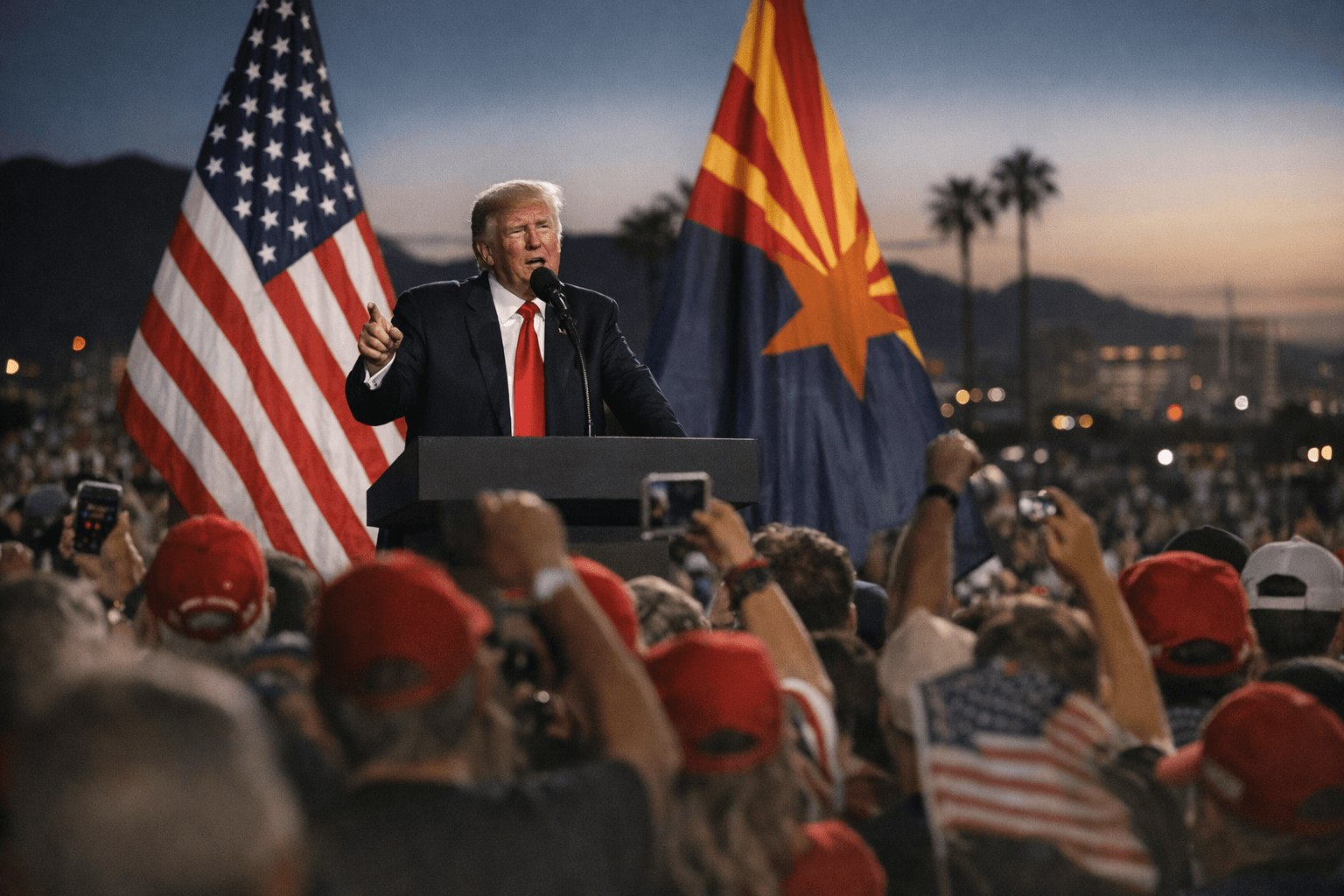
White House to expand ibogaine research, clinical trials for veterans
Trump is set to order a federal push on ibogaine research while leaving the drug in Schedule I, widening hope for veterans and sharpening safety concerns.
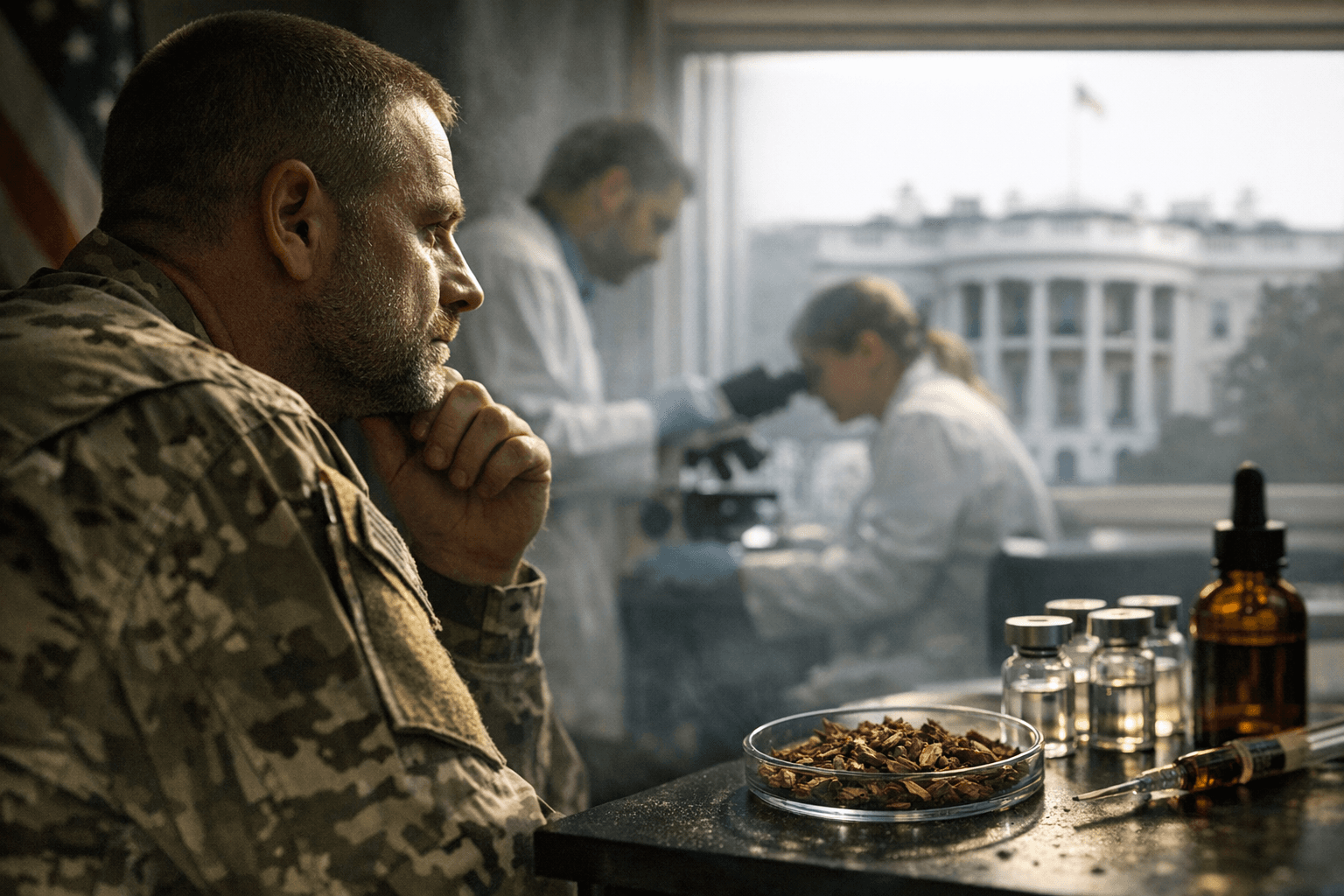
The White House is preparing an executive order that would direct federal agencies to expand research into ibogaine and support clinical trials, a move that could give psychedelic medicine its biggest federal boost yet without immediately changing the drug’s legal status. Ibogaine would remain a Schedule I controlled substance for now, underscoring how far the administration is willing to go and how far it is still holding back.
The push fits Robert F. Kennedy Jr.’s broader campaign for psychedelic medicine. As health secretary, Kennedy has publicly backed wider clinical research and told Congress that psychedelic-assisted therapy has “tremendous advantage” and could be available within about 12 months. The White House plan would test whether ibogaine can move through federal science channels faster than past psychedelic therapies, but it stops short of legalization or full medical approval.
That matters most for veterans, who have become central to the political case for ibogaine. Supporters say the drug may hold promise for post-traumatic stress disorder, traumatic brain injury, addiction, depression and anxiety. Some veterans have traveled to Mexico to receive ibogaine treatment, reflecting both the demand for options and the gap between desperation and evidence in the United States.
The federal move arrives after a turbulent stretch for psychedelic policy. The Food and Drug Administration rejected MDMA-assisted therapy, even as the Drug Enforcement Administration sent a psilocybin rescheduling petition to the Department of Health and Human Services for medical-scientific review. States have not waited for Washington. Texas approved a $50 million ibogaine research initiative in 2025, and that program has been described as the largest publicly funded psychedelic research effort in history. Lawmakers Greg Abbott, Dan Patrick and Dustin Burrows backed the effort, and it is already being watched as a model for other states.
The promise is real, but so are the risks. Medical reporting has raised concerns about ibogaine’s heart toxicity and a possible risk of death, which makes clinical oversight and trial design crucial if the federal government wants to build a credible evidence base. For veterans and other patients living with treatment-resistant illness, more research could open a path to new care. Without strong guardrails, the policy could outrun the medicine.
Know something we missed? Have a correction or additional information?
Submit a Tip