WHO, Africa CDC launch $518 million Ebola response plan in Africa
WHO and Africa CDC are racing to fund Ebola containment before wider spread, as Bundibugyo has no approved vaccine or specific treatment.

The World Health Organization and Africa Centres for Disease Control and Prevention have moved to raise $518 million for a six-month Ebola response across Africa, betting that faster coordination now will be cheaper and far less deadly than a bigger outbreak later.
The joint plan, launched June 5, covers June through November 2026 and is built around a single operating model that ties together emergency coordination, surveillance, laboratory testing, infection prevention and control, clinical care, community engagement, logistics and support for essential health services. It is meant to complement the national response plans already under way in the Democratic Republic of the Congo and Uganda, where the outbreak was confirmed in May.
The timing reflects how quickly Bundibugyo Ebola can outrun local health systems. WHO says there is no licensed vaccine or specific treatment for the Bundibugyo species, leaving contact tracing, safe care, testing and rapid containment as the main defenses. The agency also said the outbreak is unfolding amid a humanitarian crisis, insecurity, remote but densely populated areas, and heavy population and trade movement, conditions that make border control and case finding harder.
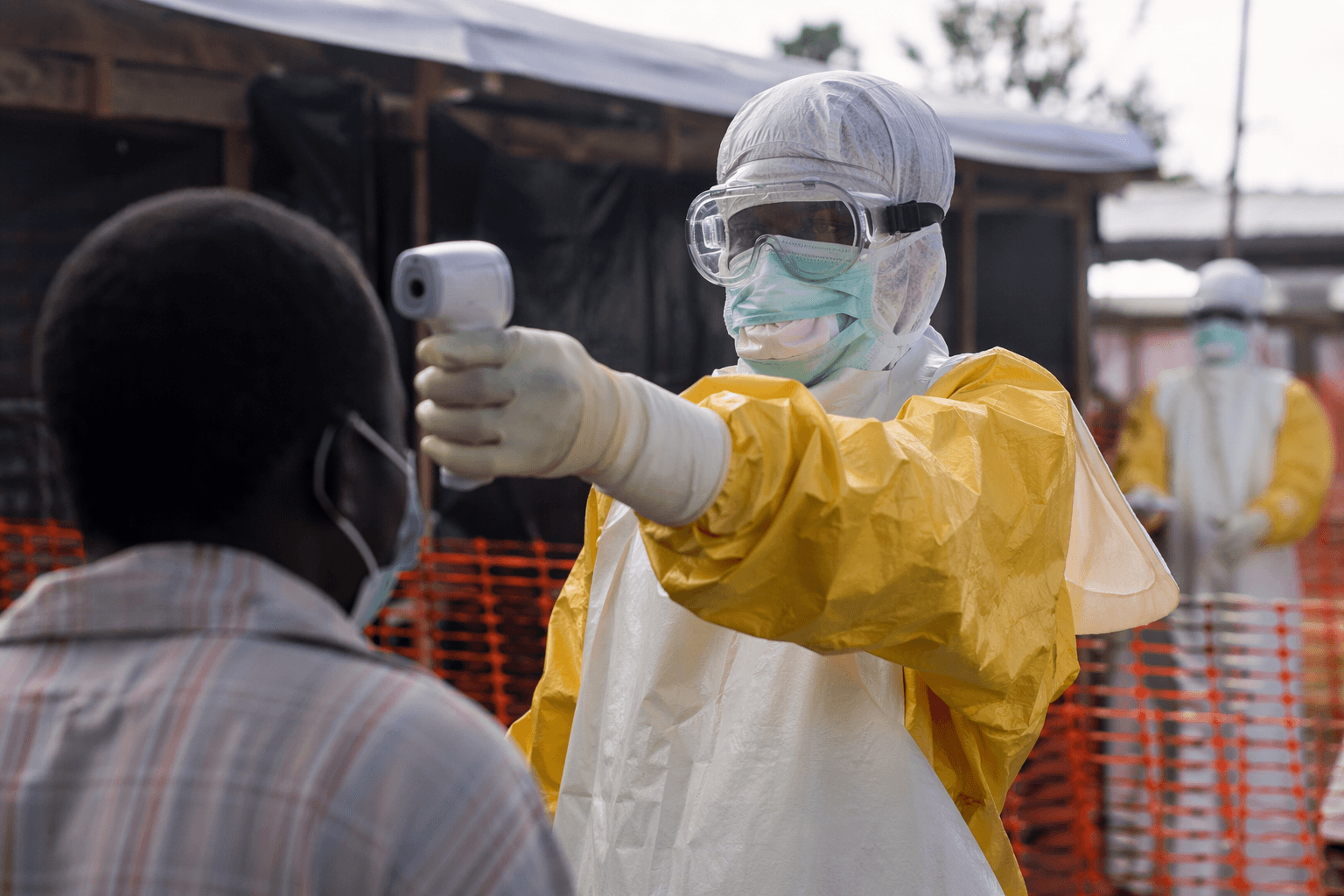
Tedros Adhanom Ghebreyesus said the response needs “one plan, one budget, and one team,” while Africa CDC Director-General Jean Kaseya warned that Africa must move faster because Ebola spreads quickly. Tedros also said he visited the epicentre in Ituri province earlier this week and found responders still “playing catch-up,” a warning that the epidemic has already gained too much ground.
The outbreak is already the fourth biggest on record, according to the figures circulating around the emergency, with case counts and deaths rising as detection lagged. Africa CDC said the suspected index case was a healthcare professional whose symptoms began on April 25 but was not officially detected and confirmed until May 13, a gap of roughly four weeks that likely allowed wider spread. By May 18, Africa CDC said there were 8 confirmed cases, 393 suspected cases and 105 deaths, including four healthcare workers. WHO said that by May 16 there were 8 laboratory-confirmed cases, 246 suspected cases and 80 suspected deaths in Ituri province, plus two confirmed cases in Kampala among travelers from the DRC.
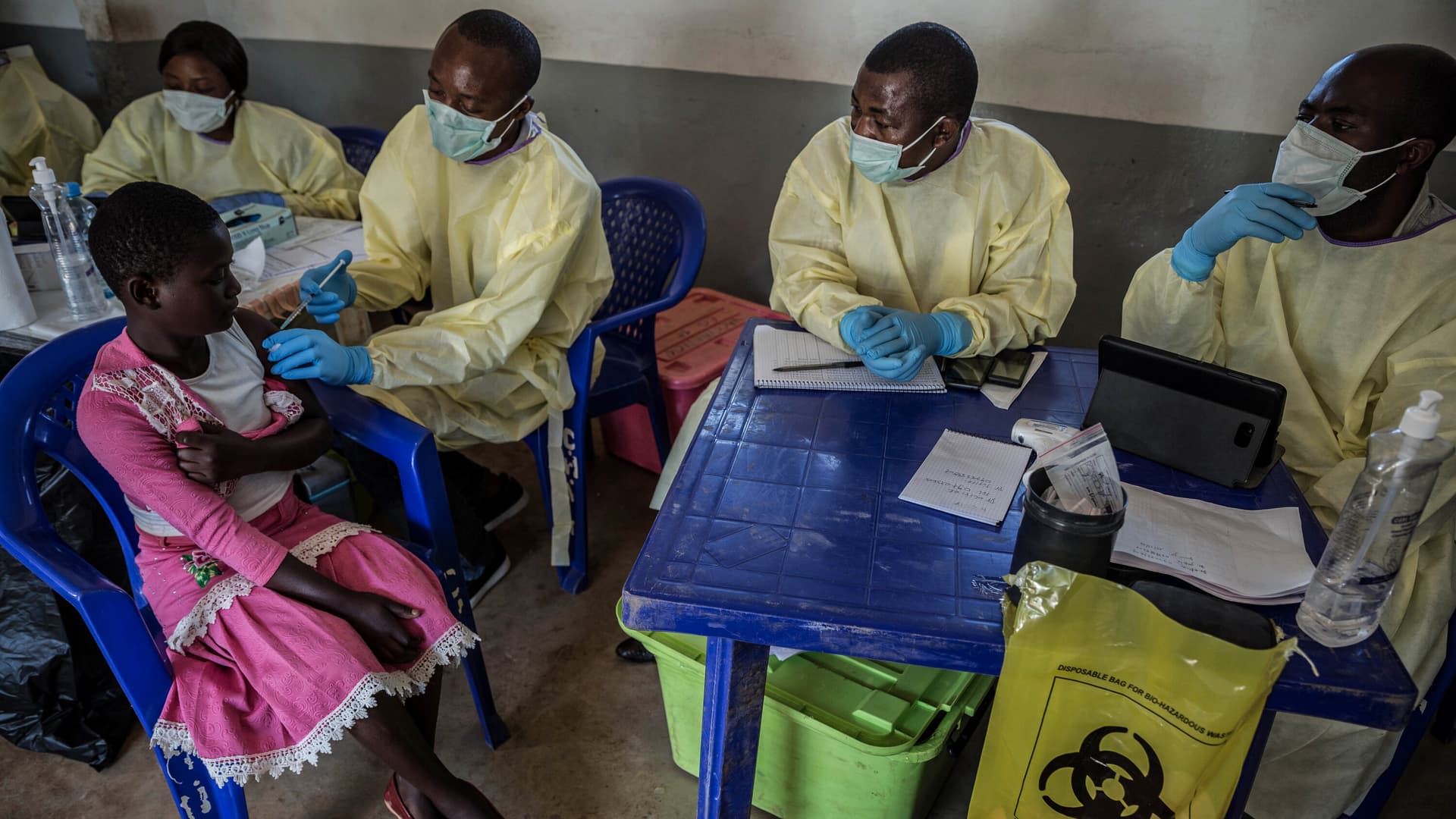
WHO had already determined on May 17 that the outbreak was a Public Health Emergency of International Concern, and Africa CDC followed on May 18 by declaring a Public Health Emergency of Continental Security. WHO said it had released $3.9 million from its Contingency Fund for Emergencies by May 25 and was establishing a continental Incident Management Support Team with Africa CDC.
The new financing push also brings in UNICEF, UNHCR, the World Food Programme, the International Federation of Red Cross and Red Crescent Societies and FIND, with a joint financial tracking mechanism to monitor commitments and gaps. That structure is the clearest sign yet that African and international health agencies want this response to look less like a scramble and more like a coordinated test of whether the continent is better prepared than it was the last time Ebola moved across borders.
This article was produced by Prism’s automated news system from verified source data, official records, and press releases, then run through automated quality and moderation checks before publishing. The system is built and supervised by the people who set the standards it runs under. Read our full AI policy.
Did this article answer your question?