WHO chief visits Congo as deadly Ebola outbreak spreads to Uganda
MSF called Congo’s Ebola spread “deeply alarming” after Uganda confirmed an imported case, as WHO warned the outbreak had already crossed borders.
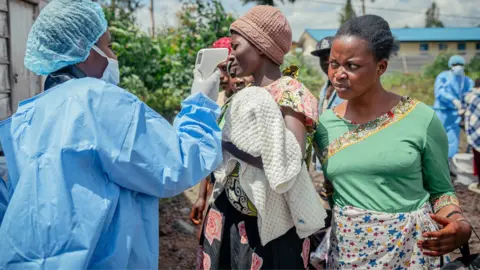
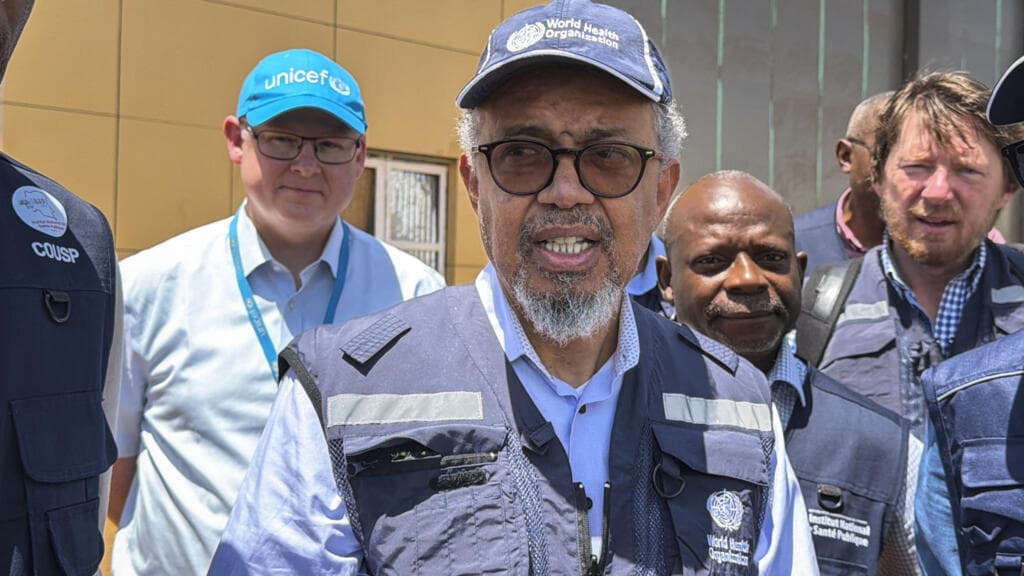
The jump of Ebola from eastern Congo into Uganda has turned a local flare-up in Ituri Province into a regional alarm. Médecins Sans Frontières called the spread “deeply alarming” as the World Health Organization’s chief visited the region worst hit by the virus, underscoring how quickly the outbreak has moved through a fragile health system with limited treatment options and heavy cross-border traffic.
Congo’s Ministry of Public Health, Hygiene and Social Welfare declared the outbreak on May 15 after laboratory confirmation of Bundibugyo virus disease, a form of Ebola, in eight samples from Ituri Province. WHO said it was the Democratic Republic of the Congo’s 17th Ebola outbreak since 1976, centered in the north-east and already involving at least Bunia, Rwampara and Mongbwalu health zones. On the same day, Uganda confirmed an imported case from Congo, and WHO later determined the event met the threshold of a Public Health Emergency of International Concern.
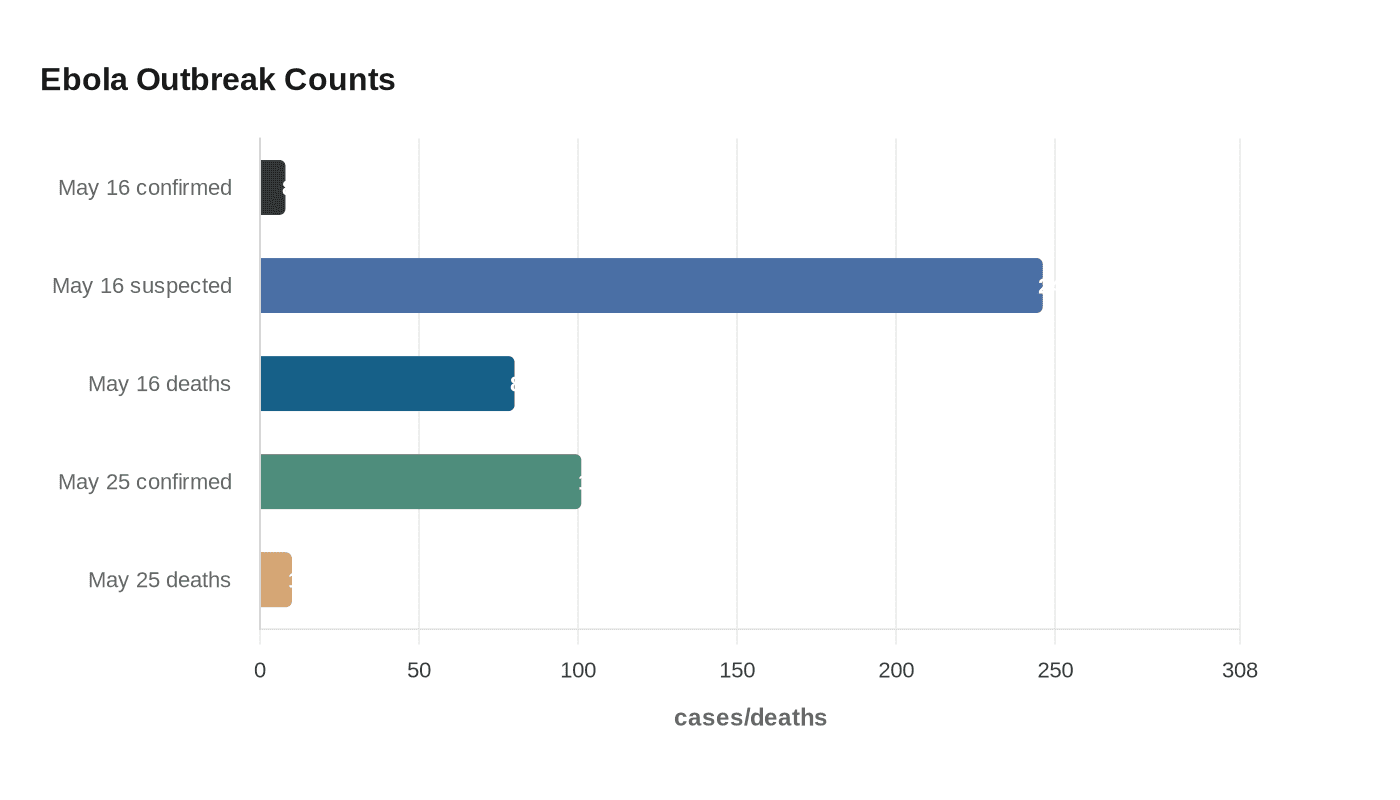
The numbers point to an outbreak expanding faster than responders can easily map it. WHO reported on May 16 that Ituri had eight laboratory-confirmed cases, 246 suspected cases and 80 suspected deaths. By May 25, WHO Director-General Tedros Adhanom Ghebreyesus said Congo had 101 confirmed cases and 10 confirmed deaths, along with more than 900 suspected cases and 220 suspected deaths. That spread has unfolded in a difficult environment marked by humanitarian crisis, insecurity, a remote and densely populated terrain, and movement along trade routes that can carry infection into new districts and across borders.
The outbreak is especially dangerous because there is no licensed vaccine or specific therapeutic for Bundibugyo virus. WHO says early supportive care can save lives, and it has said case fatality rates in the previous two Bundibugyo outbreaks ranged from 30% to 50%. WHO moved quickly to reinforce the response, delivering 11.5 tonnes of medical supplies and equipment within 72 hours, while stepping up coordination with Uganda, the Ministry of Health in Kampala, the Institut national de recherche biomédicale, Africa CDC and other regional partners.
The next few weeks will decide whether the outbreak is contained in Ituri or spreads deeper into the region. That means faster surveillance, better tracing of contacts, isolation of suspected cases, and stronger public trust in communities already living with insecurity and repeated health emergencies. If those measures lag, the outbreak could seed new chains of transmission across the Congo-Uganda border and turn a deadly but localized emergency into a wider regional crisis.
This article was produced by Prism’s automated news system from verified source data, official records, and press releases, then run through automated quality and moderation checks before publishing. The system is built and supervised by the people who set the standards it runs under. Read our full AI policy.
Did this article answer your question?


