WHO confirms fatal Nipah case in Bangladesh's Rajshahi Division
A woman in Rajshahi died after a laboratory-confirmed Nipah infection, prompting contact tracing and stepped-up surveillance across the region.
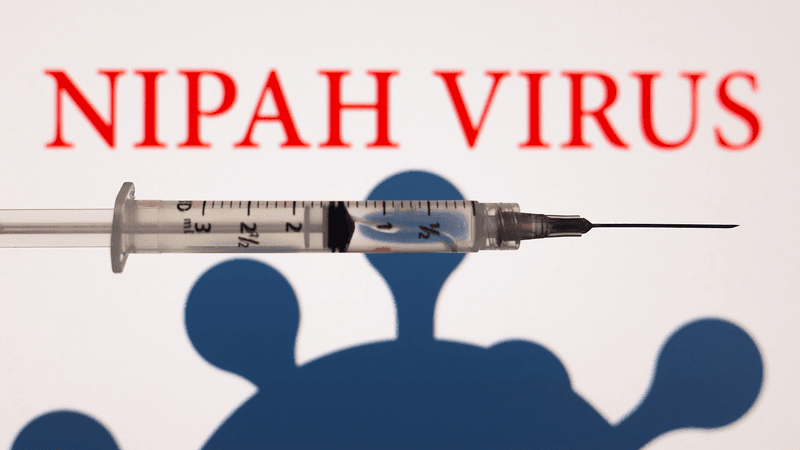
The World Health Organization has confirmed a laboratory‑verified fatal case of Nipah virus infection in Bangladesh’s Rajshahi Division, renewing regional vigilance after recent cases in neighbouring India. The patient, described as a woman aged between 40 and 50, developed symptoms on Jan. 21 and was admitted to hospital on Jan. 28, where samples were taken and tests returned positive the following day.
“On 3 February 2026, the International Health Regulations National Focal Point (IHR NFP) for Bangladesh notified WHO of one confirmed case of Nipah virus (NiV) infection in Rajshahi Division,” the WHO said in its notification. Medical accounts published in local reports trace the illness from initial fever and headache to hypersalivation, disorientation and convulsions before her death about a week after symptoms began. Authorities collected throat swabs and blood samples at admission; laboratory confirmation came the day after samples were taken.
Investigators say the patient had no recent travel history but had consumed raw date palm sap, a known vehicle for spillover from fruit bats. Health officials identified 35 people who had contact with the patient; “All 35 people who had contact with the patient are being monitored and have tested negative for the virus, and no further cases have been detected to date,” WHO reporting said.
The announcement follows two confirmed Nipah infections in West Bengal, India, earlier this month, a development that prompted several countries in the region to tighten screening measures at airports. Malaysia, Thailand, Indonesia and Pakistan implemented temperature checks for incoming travellers after India’s cases were reported. Despite the cross‑border concern, WHO assessed the immediate risk of international spread as low and said it does not recommend travel or trade restrictions based on current information.
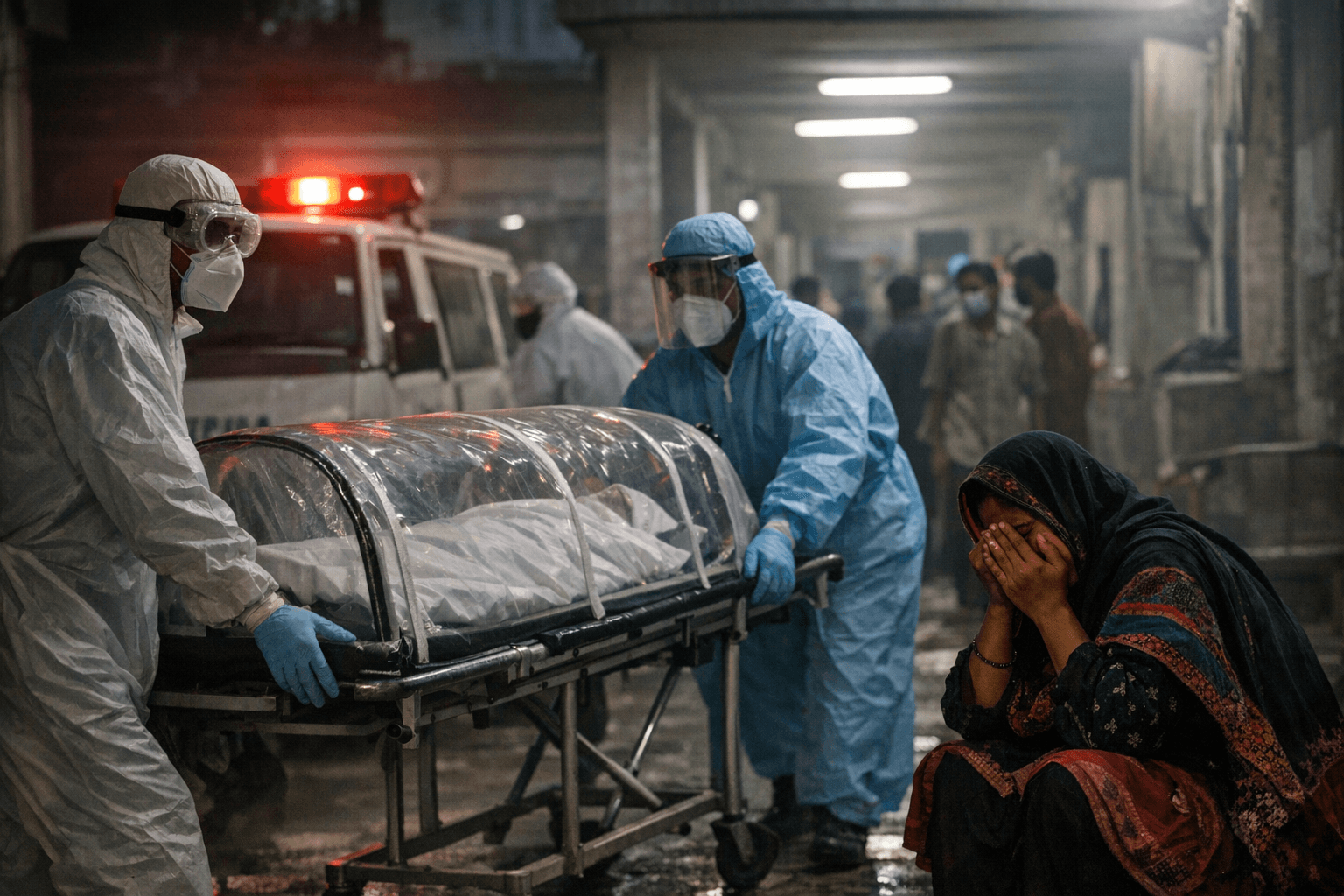
WHO chief Tedros Adhanom Ghebreyesus framed the response as precautionary. He called Nipah a “rare but serious disease” and said, “Authorities have increased disease surveillance and testing, implemented prevention and control measures in health care settings, and are keeping the public informed about how to protect themselves.”
Nipah is not new to Bangladesh. Public health records show outbreaks occur seasonally between December and April, and since 2001 the country has reported several hundred cases. Last year, four laboratory‑confirmed fatal cases were recorded. The virus can be deadly; published estimates put the case fatality rate as high as 75 percent in some outbreaks, and there are no licensed medicines or vaccines specifically for Nipah. Transmission most often stems from products contaminated by infected bats, such as fruit or raw date palm sap, and the virus generally does not spread easily from person to person.
The immediate priority for Bangladeshi health authorities and international partners is containment through contact tracing, testing and hospital infection control, while keeping communities informed about avoiding exposure to bat‑contaminated foods. Officials have so far reported no evidence of onward transmission beyond the monitored contacts. Public health experts say rapid detection and sustained surveillance are critical to limit further spread and to protect neighbouring countries already watching for signs of new cases.
This article was produced by Prism’s automated news system from verified source data, official records, and press releases, then run through automated quality and moderation checks before publishing. The system is built and supervised by the people who set the standards it runs under. Read our full AI policy.
Did this article answer your question?