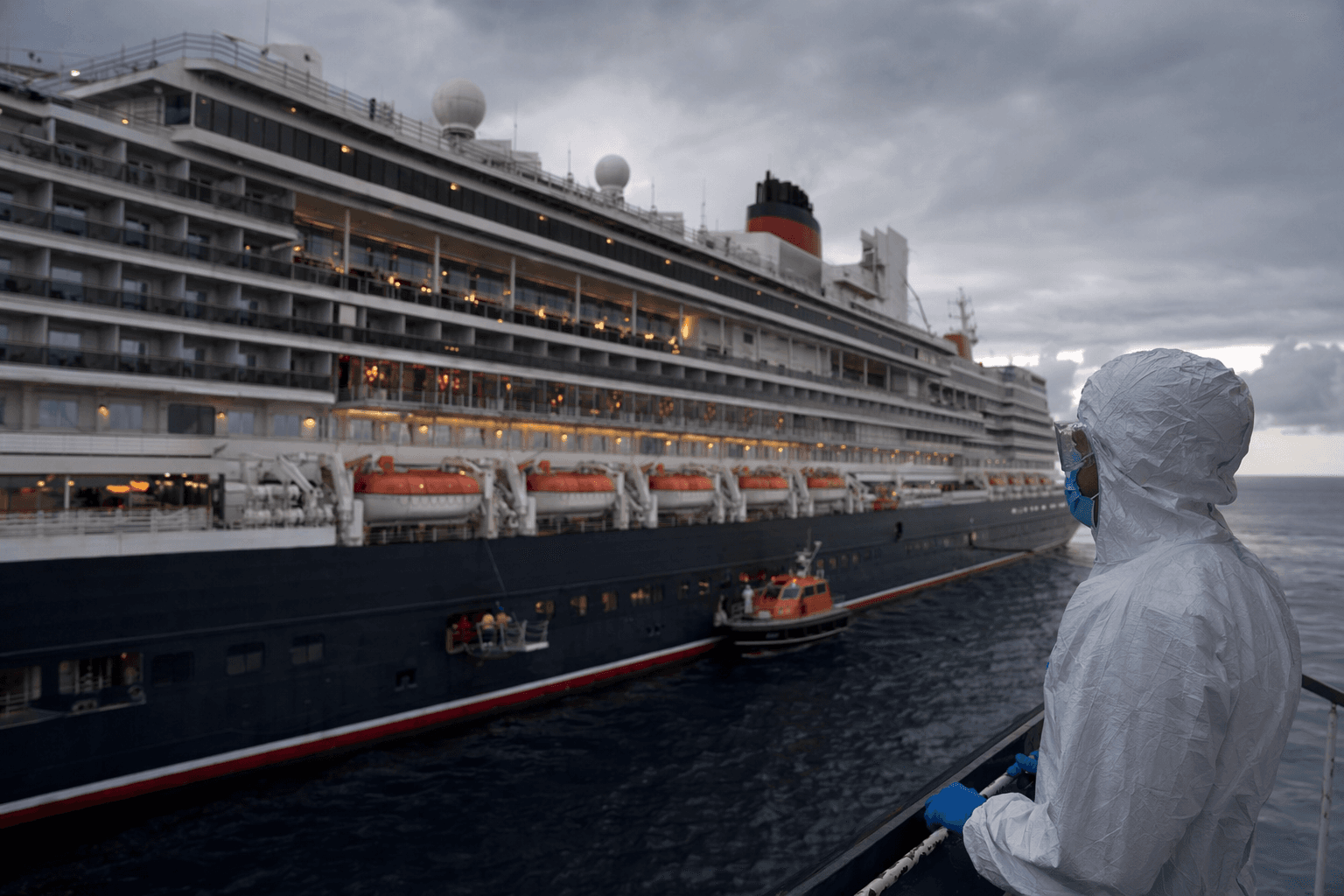
WHO Confirms Hantavirus Case on Polar Cruise Ship, Three Dead
One hantavirus infection was confirmed on the MV Hondius, but five more cases were under review as three passengers died and one fought for life in Johannesburg.
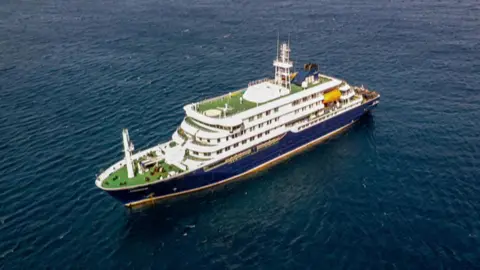
The World Health Organization said a hantavirus case on the polar cruise ship MV Hondius had been laboratory confirmed, with five additional suspected infections still under investigation, turning a voyage across the Atlantic Ocean into a public-health response that now stretches from the ship to South Africa and other ports of call.
The outbreak unfolded aboard the Oceanwide Expeditions vessel, the world’s first-registered Polar Class 6 ship, which can carry 170 passengers in 80 cabins. The ship was traveling from Ushuaia, Argentina, to Cape Verde, with stops that included South Georgia and Saint Helena, when the first passenger developed symptoms and later died on board.
WHO said it was helping coordinate with national authorities and the ship’s operators to arrange the medical evacuation of two symptomatic passengers and to carry out a broader risk assessment. South African health officials said the patient treated in Johannesburg tested positive for hantavirus, and WHO described the episode as a public-health event. Three of the six affected people had died, while one remained in intensive care in South Africa.

The first person to fall ill was a 70-year-old passenger who died while the ship was still at sea. His 69-year-old wife was later evacuated to South Africa and died in a Johannesburg hospital. A 69-year-old British national was also evacuated and was being treated in intensive care in Johannesburg. Those details sharpen the central question for cruise lines, port authorities and travelers alike: how to identify an exposed passenger quickly enough to contain the risk without causing wider disruption across international routes.
Hantaviruses are typically spread by rodents through contact with urine, droppings or saliva. WHO says suspected cases can be confirmed through laboratory testing, including hantavirus-specific antibodies, PCR and antigen detection. The agency’s handbook says shipborne public-health events can reach beyond a single vessel, affect international traffic and trade, and require port risk assessment that protects health while avoiding unnecessary interference.

That balance now sits at the center of the response to the MV Hondius. Cruise ships move people across borders faster than most health systems can trace them, and when an infection is linked to a vessel at sea, the fallout reaches passengers, crew, ports and hospitals at once.
Know something we missed? Have a correction or additional information?
Submit a Tip