WHO declares Andes hantavirus cruise outbreak over after 13 cases, 3 deaths
WHO closed the cruise-linked Andes hantavirus outbreak after 13 cases and 3 deaths, saying the last exposed contact finished quarantine and no new illness appeared after May 25.
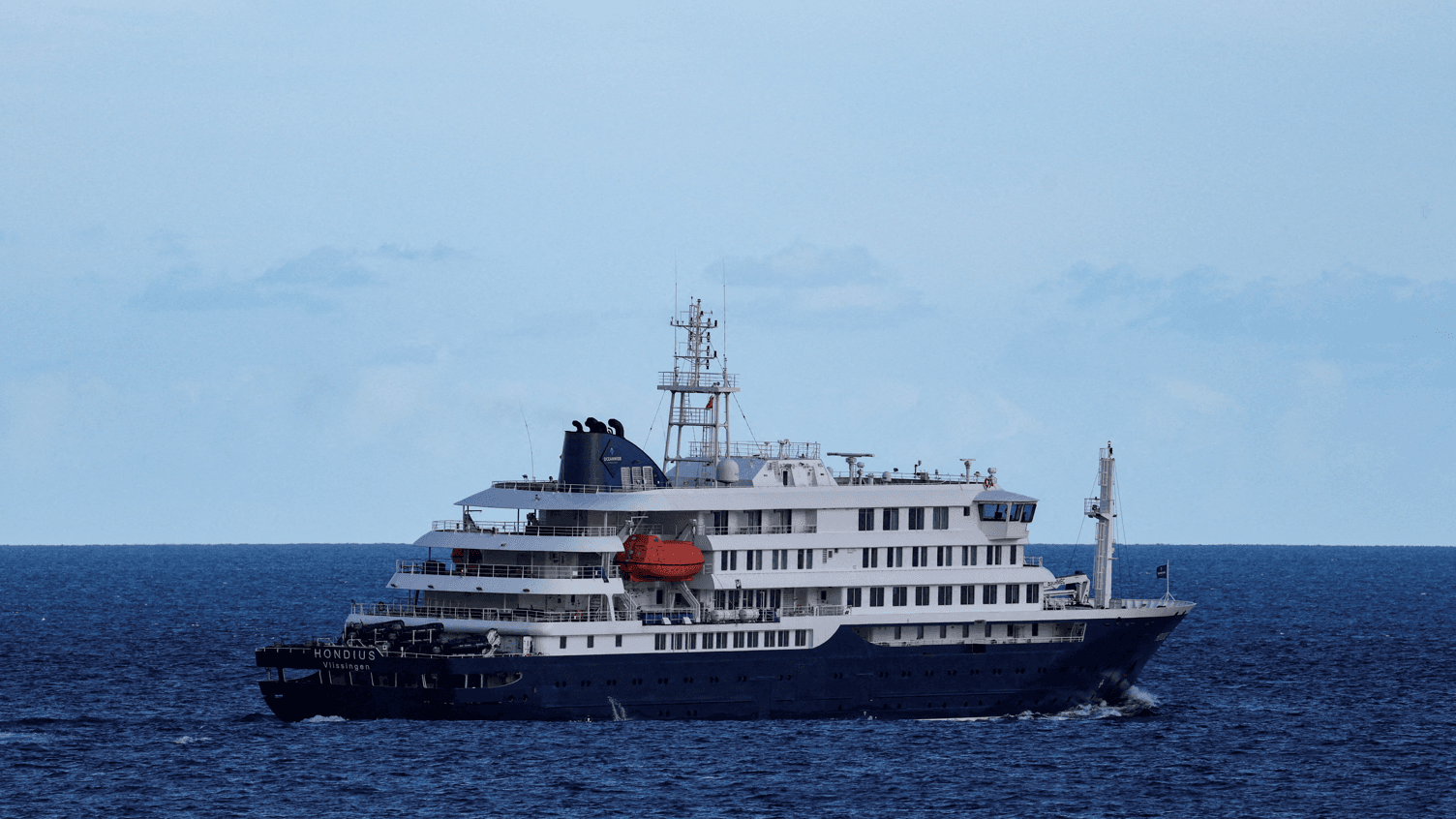
The World Health Organization said the Andes hantavirus outbreak linked to the Netherlands-flagged M/V Hondius was over after the last exposed contact completed quarantine and no new cases were reported after May 25.
WHO first received notice of the cluster on May 2, 2026, after severe respiratory illness, including deaths, was reported aboard the ship. By May 27, the agency had counted 13 cases in all, including three deaths: 11 laboratory-confirmed Andes virus infections and two probable cases. WHO assessed the global risk as low.
The agency said all known cases were passengers or crew members on the vessel, and that national International Health Regulations focal points helped with contact tracing and monitoring across countries. One U.S. case that had been counted as inconclusive was later ruled negative and removed from the tally, tightening the final count and leaving no confirmed infections outside the shipboard cluster.

The timing of the closure mattered because hantavirus can incubate for as long as six weeks. That made 42-day monitoring the relevant standard for exposed travelers and crew, and it also meant health authorities could not rule out late illness until the window had fully passed. WHO said the outbreak was considered over only after that period ran its course without additional cases.
The Centers for Disease Control and Prevention said on June 21 that all U.S. citizens potentially exposed aboard the M/V Hondius had finished their 42-day monitoring period. The agency reported no confirmed U.S. cases from the outbreak and said the risk to the American public and travelers remained extremely low.

CDC said 18 potentially exposed people were repatriated to the National Quarantine Unit at the University of Nebraska Medical Center for monitoring. Twelve later continued monitoring at home, while six remained at the unit, all symptom-free. The arrangement showed how the U.S. quarantine system was used to keep track of exposed travelers after they left the ship and crossed borders.
The outbreak ended with no spread beyond those on board, but it also exposed how much cruise-ship containment still depends on fast reporting, passenger tracing and coordinated quarantine once a ship has already become a setting for transmission.
This article was produced by Prism’s automated news system from verified source data, official records, and press releases, then run through automated quality and moderation checks before publishing. The system is built and supervised by the people who set the standards it runs under. Read our full AI policy.
Did this article answer your question?


