Who Is the Judge in the Case, and Why It Matters
Lynn Adelman is more than the presiding judge in Hannah Dugan’s case: his rulings control the record, the timeline, and the penalty risk now hanging over the verdict.
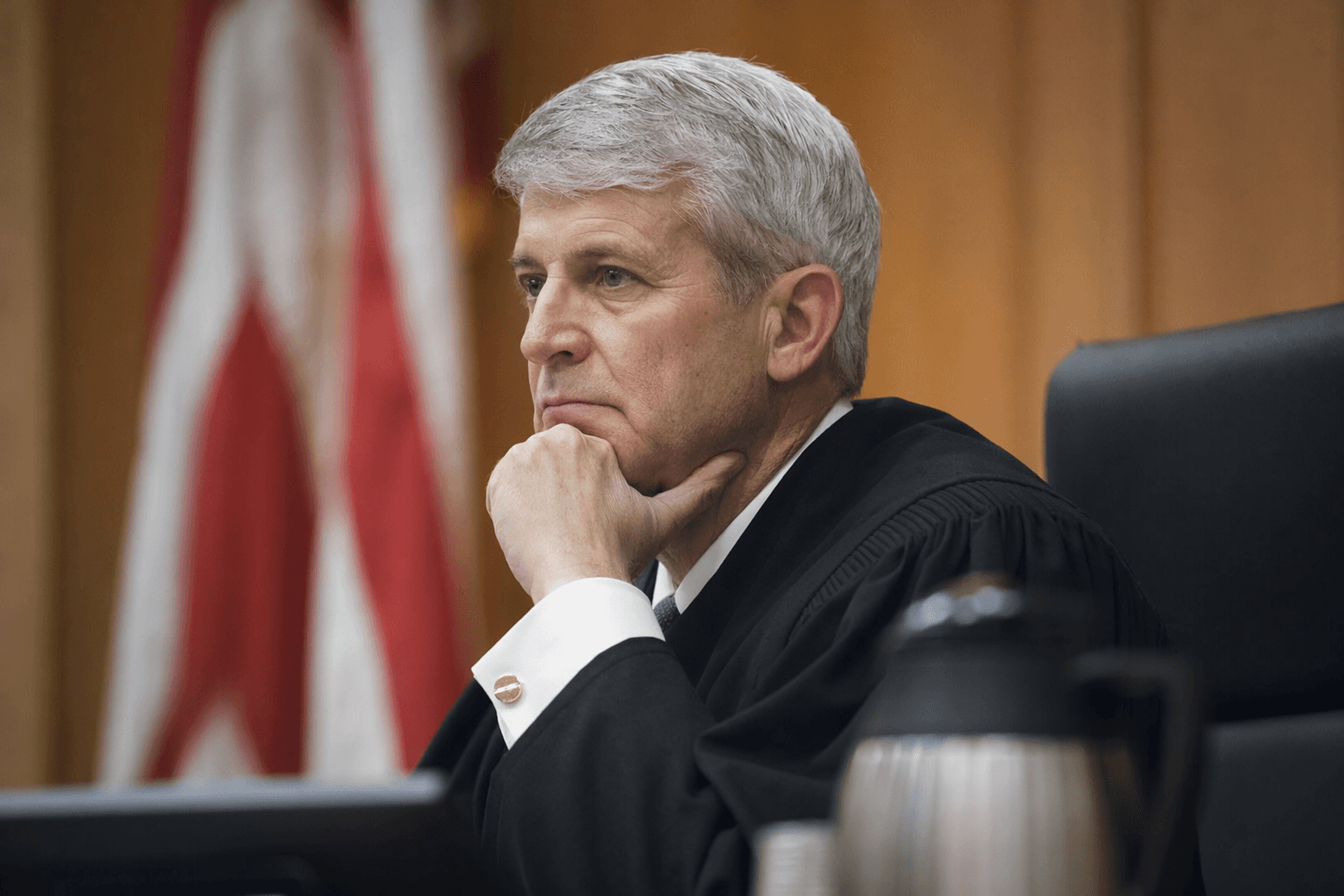
The judge at the center of the case
Lynn S. Adelman sits at the center of the Hannah Dugan prosecution, and the docket shows how much leverage one federal judge can hold over a case this closely watched. The matter, United States v. Dugan, is set for sentencing on June 3, 2026, at 10 a.m. in Courtroom 390, after a trial that concluded on December 18, 2025 and a wave of post-verdict motions that kept the fight moving well into 2026.
That matters because Dugan was convicted of felony obstruction and acquitted on the concealment count, leaving Adelman to control the final stage of the case and the record that may go up on appeal. In federal court, that means he does more than announce a sentence. He sets the pace, rules on what the parties can argue, and decides how the trial court record is shaped for the next step.
Who Lynn Adelman is
Adelman was born in Milwaukee, attended Princeton and Columbia Law School, worked as a trial attorney and private practitioner, and spent two decades in the Wisconsin Senate before President Bill Clinton nominated him to the federal bench in 1997. He was confirmed later that year and has served on the U.S. District Court for the Eastern District of Wisconsin ever since. That background gives him unusual depth in both politics and law, which is one reason his role in a politically charged prosecution draws so much attention.
He is not a detached name on a docket. Adelman’s career includes years in elective office, and his judicial decisions have already affected major public policy fights in Wisconsin. That history makes him a consequential figure in any case that touches government power, civil rights, or the limits of authority inside a courthouse.
Why his prior rulings matter
Adelman’s most visible prior ruling came in Wisconsin’s voter ID litigation. In 2014, he struck down the state’s photo identification law, saying it imposed an unfair burden on poor and minority voters and violated constitutional and voting-rights protections. The 7th U.S. Circuit Court of Appeals later reinstated the law, which underscored a key reality about Adelman: his decisions can be ambitious, closely reasoned, and highly consequential, even when they do not survive appellate review.
That background matters here because the Dugan case is also about institutional boundaries. The dispute asks how far judicial authority reaches when a state judge is accused of interfering with federal law enforcement. A judge who has already shown a willingness to issue sweeping rulings on public-law questions is likely to be watched closely for how he handles questions of immunity, evidence, and punishment.
How he has managed the Dugan case so far
Adelman has already made the kind of pretrial and post-trial decisions that can define a high-profile prosecution. In August 2025, he rejected Dugan’s motion to dismiss the case, and in April 2026 he denied her request for a new trial or a judgment of acquittal in a 39-page order. Those rulings did not just preserve the conviction. They narrowed the legal arguments available to the defense and locked in the case’s next phase.

His written rulings also show a judge who works through disputes in detail. The August order came in a 27-page decision, and the later post-verdict ruling ran 39 pages. That kind of length is not just a stylistic choice. It signals a court building a paper trail, one that can matter when the case is reviewed by a higher court.
The powers that shape the outcome
The official case page shows how much control Adelman has had over the structure of the prosecution. The docket lists status conferences, motions in limine, final pretrial orders, jury-selection orders, jury instructions, post-verdict motions, and the sentencing setting itself. That is the practical power of a trial judge in a nationally watched federal case: he does not just react to events, he organizes the sequence in which the case becomes law.
He also controls the evidentiary and procedural gatekeeping that can shape what jurors hear and what the public record contains. Orders on motions in limine can narrow testimony before trial, jury-instruction rulings can guide how jurors interpret the law, and post-verdict rulings can decide whether the verdict stands untouched or gets a second look. In a case like this, those decisions can affect both the speed and the durability of the outcome.
Why his courtroom style matters
Adelman’s chamber procedures suggest a judge who values formal process and orderly submissions. His court page instructs lawyers to file proposed orders electronically and email an editable Word version as well, warning that missing materials can delay processing. The page also limits ex parte communications. That administrative style may seem small, but in a contested case it can translate into tighter control over timing, filings, and the way disputes reach the judge’s desk.
In a prosecution with impeachment politics, immigration enforcement, and judicial immunity all in the background, that kind of procedural discipline matters. It means the judge can steer the pace of the case with scheduling orders, enforce the record with written rulings, and keep the dispute inside a legal framework that gives the final sentence and any appeal their shape.
What happens next
Dugan now faces sentencing on June 3, 2026, and the felony count carries a maximum penalty of five years in prison and a $250,000 fine. Whatever sentence Adelman imposes will not be the end of the story. It will become the next anchor point in a case that has already tested the boundaries of judicial immunity, courthouse authority, and federal power, with one judge deciding how the law explains itself from here.
This article was produced by Prism’s automated news system from verified source data, official records, and press releases, then run through automated quality and moderation checks before publishing. The system is built and supervised by the people who set the standards it runs under. Read our full AI policy.
Did this article answer your question?