WHO raises Congo Ebola risk to very high as cases climb
WHO lifted Congo’s Ebola risk to very high nationwide as confirmed cases reached 82, while suspected cases and deaths pointed to a far larger toll.
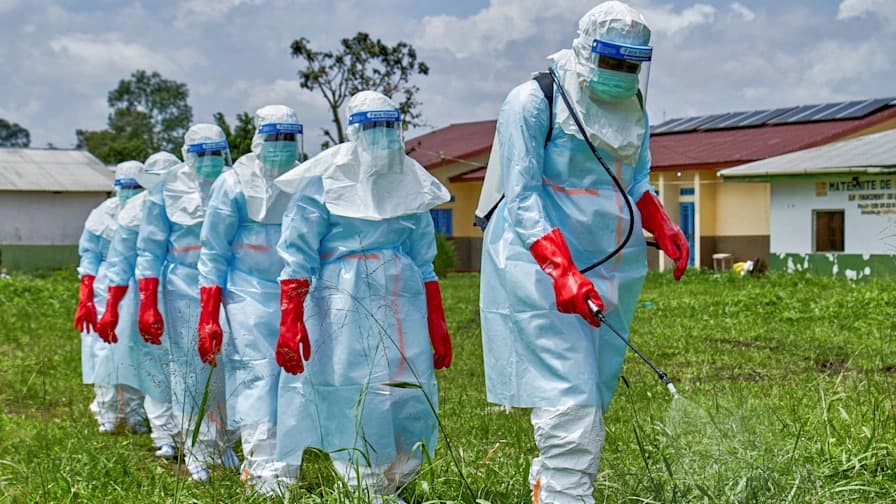
The World Health Organization raised its assessment of the Ebola outbreak in the Democratic Republic of Congo to very high at the national level, a move that signaled a more urgent push for surveillance, contact tracing and international support as the virus spread in Ituri province. Tedros Adhanom Ghebreyesus said the situation was deeply worrisome, and the agency said the upgraded warning reflected concern that the Bundibugyo strain could keep spreading before containment measures fully took hold.
WHO said 82 cases had been confirmed, along with seven confirmed deaths, but Tedros said the epidemic was much larger than the laboratory figures alone suggested. He pointed to nearly 750 suspected cases and 177 suspected deaths, numbers that underscored how much of the toll may still be hidden in communities where cases have not been tested or tracked quickly enough.

The agency said it had sent additional personnel to Ituri province, the epicenter of the response, to support affected communities and local health workers. That matters because a higher risk designation can unlock more emergency resources, intensify infection control, widen contact tracing and draw more international attention, all of which become critical when delays allow silent chains of transmission to take hold.

The Bundibugyo strain has added to the concern because there is no approved vaccine or treatment specifically for it. That makes early detection, isolation and protective measures even more important, especially in a region where missed cases can move between households, communities and border areas before health authorities have a chance to intervene.
The upgraded warning was also a reminder of how quickly outbreak control can falter if surveillance lags behind the virus. Congo’s health teams and international partners now face a narrower window to stop the outbreak from widening beyond its current hotspots, with the WHO’s latest assessment serving as both a measure of the threat and a test of whether containment can stay ahead of the spread.
This article was produced by Prism’s automated news system from verified source data, official records, and press releases, then run through automated quality and moderation checks before publishing. The system is built and supervised by the people who set the standards it runs under. Read our full AI policy.
Did this article answer your question?