WHO says Congo Ebola response is catching up, outbreak still serious
WHO says Congo’s Ebola response is closing in on the outbreak, but 344 cases, 60 deaths and spread into Uganda show the virus is still ahead.

The World Health Organization said it is finally narrowing the gap with Congo’s Ebola outbreak, but the numbers show how much ground the response still has to cover. In the Democratic Republic of the Congo, 344 confirmed cases and 60 confirmed deaths have been reported, while neighboring Uganda has recorded 15 confirmed cases and one death, turning a local emergency in Ituri province into a cross-border test of surveillance, isolation and care.
The outbreak now spans 24 health zones across three provinces, Ituri, North Kivu and South Kivu, a footprint that makes containment far more difficult than a single-cluster event. WHO said suspected cases in Congo fell to 116 from more than 1,000 the previous week, but that drop reflected investigators clearing a testing and case-review backlog rather than a sharp break in transmission. WHO declared the outbreak on May 15 after laboratory confirmation of Bundibugyo virus disease in both Congo and Uganda, and on May 17 the agency determined that it met the threshold for a public health emergency of international concern.
Tedros Adhanom Ghebreyesus said he had just returned from the Democratic Republic of the Congo, including the epicenter in Ituri, and said the visit gave him hope even as major challenges remained. That hope rests on whether health teams can keep pace with a virus that thrives when cases are missed, contacts are not traced quickly enough, and patients reach treatment too late. The agency said the response, led by Congo’s authorities, is catching up after the outbreak got a big head start, but catching up is not the same as turning the tide.
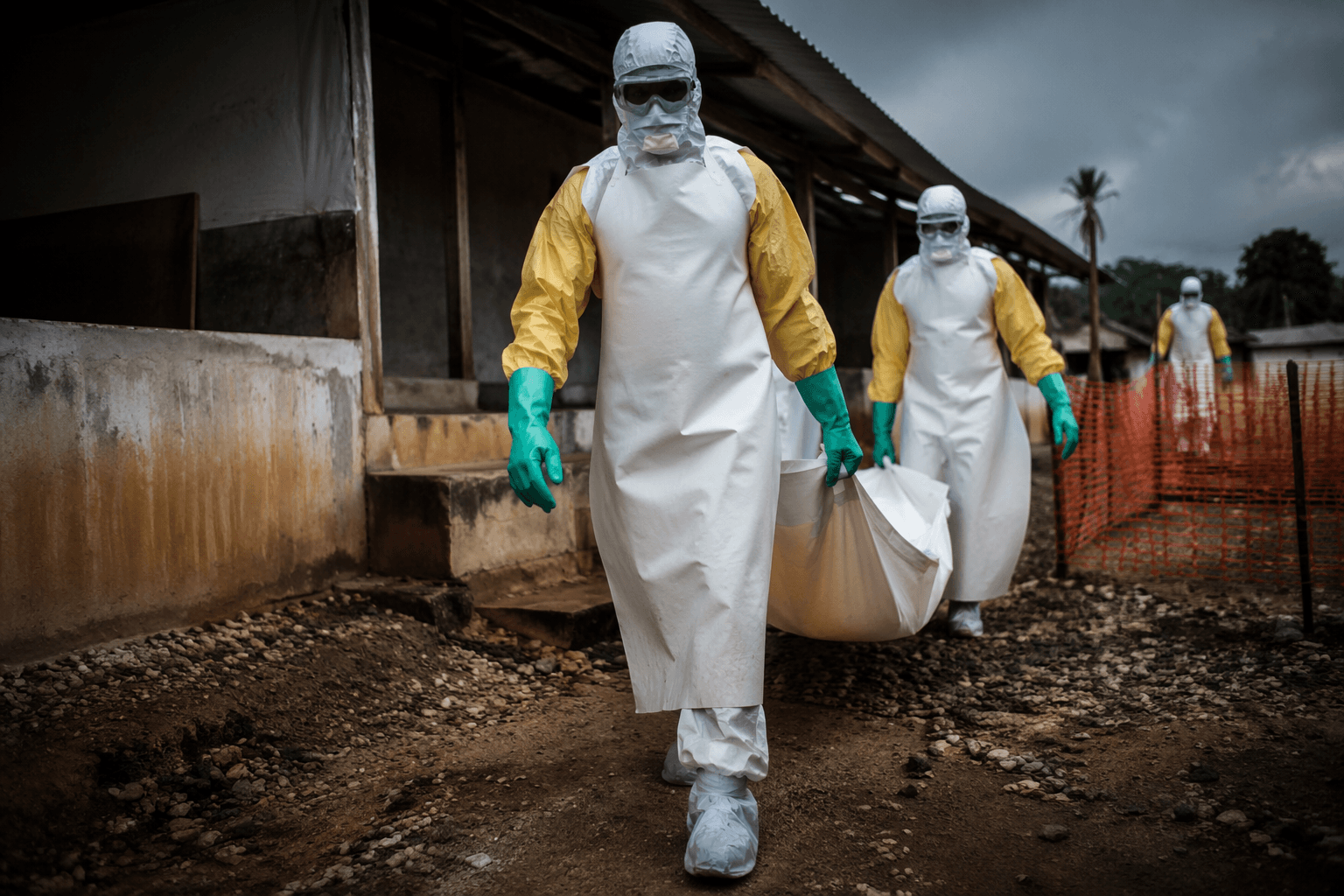
The bottlenecks are plain. WHO said the outbreak is unfolding amid humanitarian crisis, insecurity, and high population and trade movements, conditions that can break contact tracing and slow the movement of teams and supplies. The Bundibugyo strain has no approved vaccine or specific treatment, leaving public health workers with classic containment tools: surveillance, rapid isolation, contact tracing, clinical preparedness, supply delivery, community engagement and cross-border preparedness. WHO said three vaccines are in development and work is continuing on promising candidates, but for now the response depends on speed, trust and access.
Uganda’s cases underline the regional stakes. WHO said one confirmed patient was a Congolese resident who traveled via the United Arab Emirates before entering Uganda, a reminder that weak surveillance in one corridor can quickly become a wider international concern. The U.S. Centers for Disease Control and Prevention said no cases have been confirmed in the United States and the risk to the American public and travelers remains low, but in Congo and Uganda the immediate question is whether the response can move faster than the outbreak itself.
This article was produced by Prism’s automated news system from verified source data, official records, and press releases, then run through automated quality and moderation checks before publishing. The system is built and supervised by the people who set the standards it runs under. Read our full AI policy.
Did this article answer your question?