WHO says Ebola risk low for World Cup host nations, fans can travel safely
WHO said fans could travel as normal, with no Ebola cases in the World Cup host nations or Europe as the 48-team tournament opened.

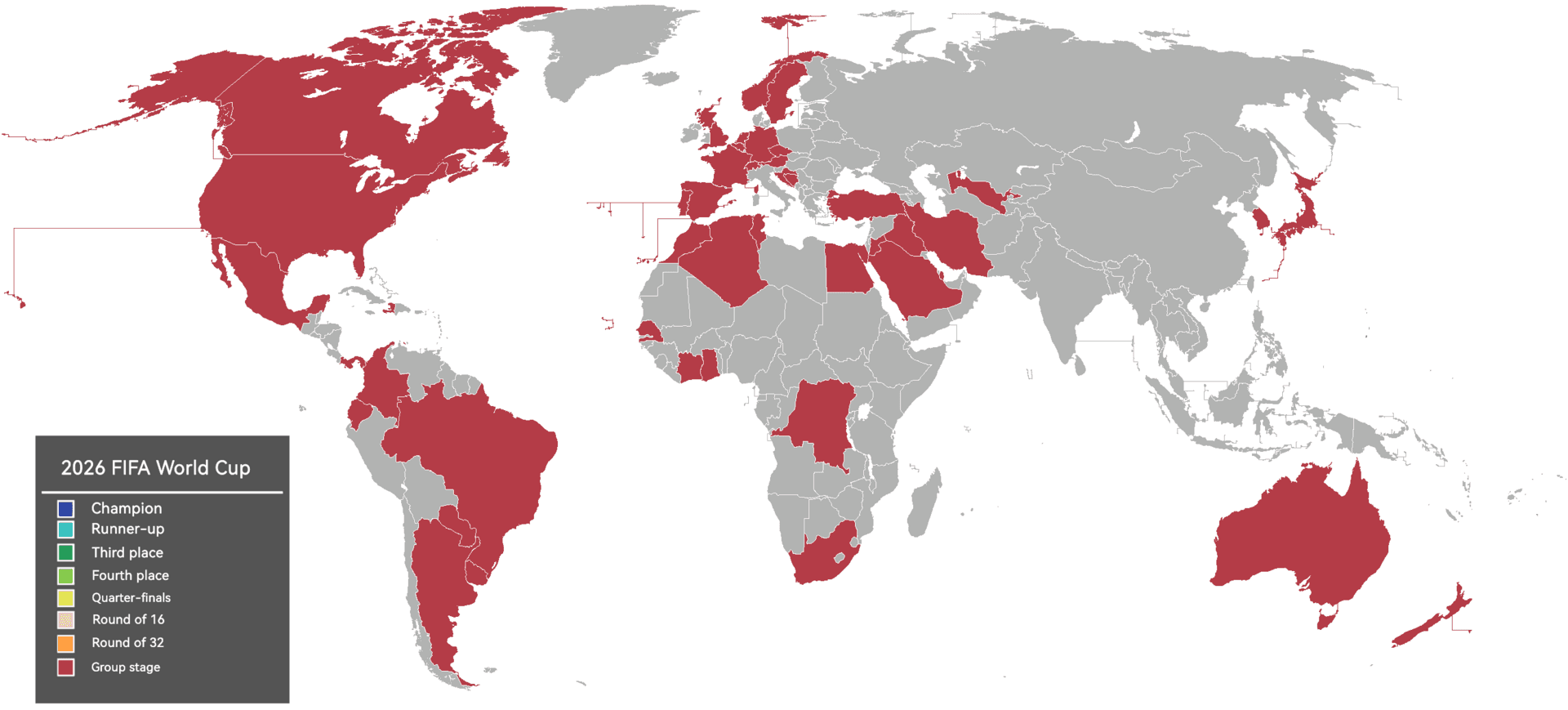
Ebola risk for travelers heading to the World Cup remained low as the tournament opened in Canada, Mexico and the United States, the World Health Organization’s Europe office said, pointing to one simple fact: none of the host nations, and none of Europe, had any Ebola cases. The assessment came as the 2026 FIFA World Cup began on 11 June and moved toward a month-long run of 104 matches involving a record 48 teams.
WHO’s message was meant to separate public-health reality from tournament anxiety. The agency said there was no reason for fans to change their plans and travel could continue as normal, because the outbreak drawing concern was centered thousands of miles away in the Democratic Republic of the Congo and Uganda. That outbreak was confirmed in May 2026 and involves Bundibugyo virus disease, a form of Ebola for which there is no vaccine or specific treatment.
Even so, WHO said it was not treating the situation lightly. The organization has been supporting surveillance, contact tracing, clinical preparedness and cross-border preparedness as the outbreak unfolds. WHO also declared the outbreak a Public Health Emergency of International Concern in May, reflecting uncertainty about the scale of spread and the potential for further cases beyond the initial areas.
The Centers for Disease Control and Prevention issued a similar caution on 10 June, saying no Ebola cases had been confirmed in the United States from this outbreak and that the overall risk to the American public and travelers remained low. That mattered for a tournament spread across North America, where millions of fans, teams and support staff were preparing to move between venues.
At the same time, officials had already put travel controls in place. In late May, the United States, Mexico and Canada announced Ebola-related measures for people coming from parts of Africa at greatest risk. CDC guidance said certain recent travelers from the Democratic Republic of the Congo, Uganda or South Sudan faced enhanced screening and should monitor symptoms for 21 days after leaving affected countries.
For now, the risk calculation remained clear: no cases in the host countries, no cases in Europe, and active screening aimed at catching imported illness before it could spread. The picture would change only if Ebola crossed into new countries or if cases began to appear in places that are now considered unaffected.
This article was produced by Prism’s automated news system from verified source data, official records, and press releases, then run through automated quality and moderation checks before publishing. The system is built and supervised by the people who set the standards it runs under. Read our full AI policy.
Know something we missed? Have a correction or additional information?
Submit a Tip