Who sets U.S. election rules as states, Congress clash
The Constitution splits election power among states, Congress, courts and agencies, and the fiercest primary-season fights now center on ballots, districts and certification.
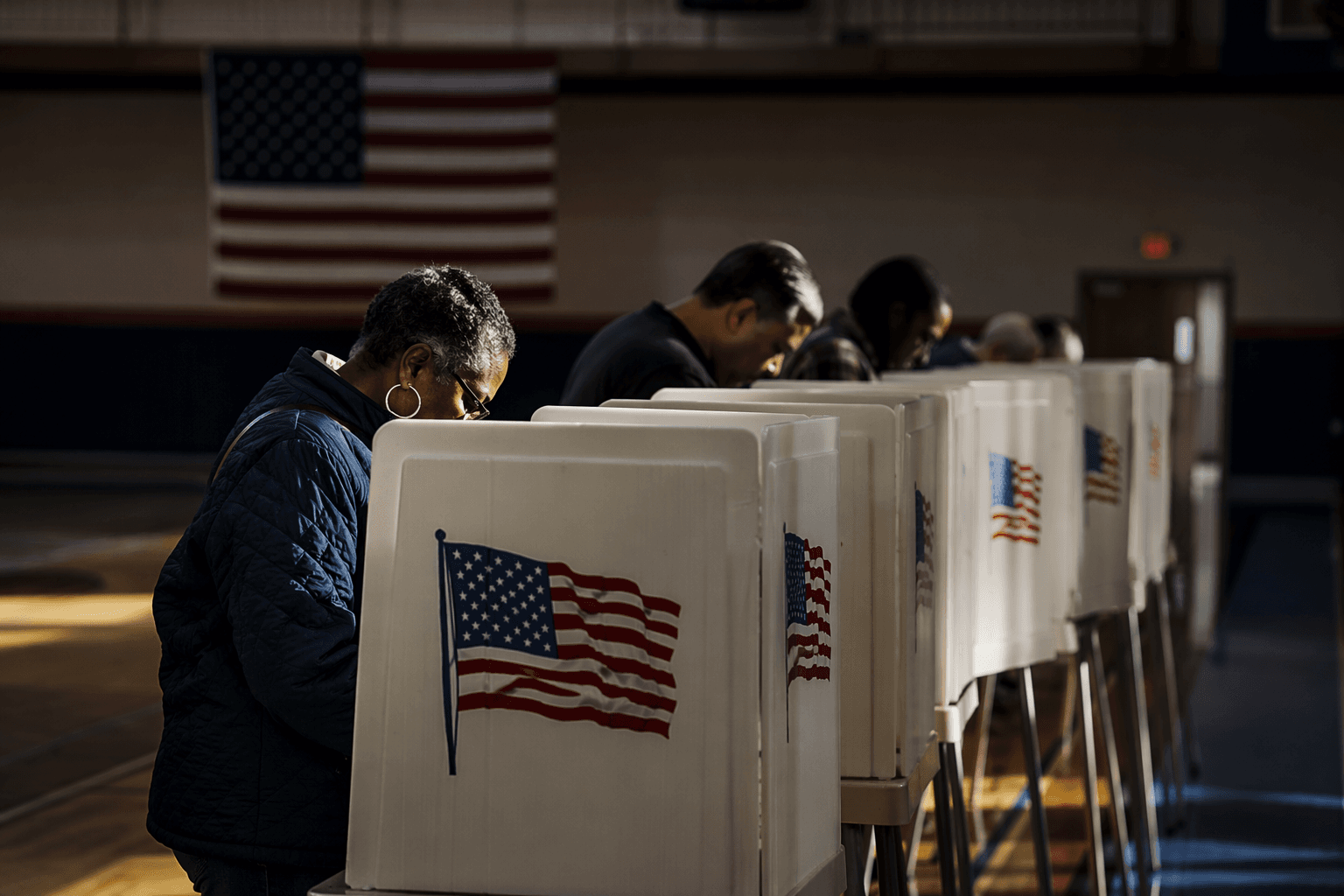
The constitutional split at the center of election rules
The fight over U.S. election rules starts with a simple but powerful constitutional bargain: states get the first word, and Congress can still rewrite the rules for federal elections. Article I, Section 4 gives state legislatures the authority to prescribe the “times, places and manner” of congressional elections, while also allowing Congress to “make or alter” those rules. That means the system is not controlled by one actor. It is layered by design.
As CBS News legal contributor Jessica Levinson has discussed, that structure matters because the people who write the rules are not always the same people who run the elections or review the disputes. State legislatures set many of the basic terms, but state constitutions, state courts, Congress, and federal agencies all shape the final outcome. The practical result is a constant tug of war over who can decide what, and how far that power reaches.
What the Supreme Court decided in Moore v. Harper
The Supreme Court drew a clear line in Moore v. Harper, decided June 27, 2023. The justices rejected the broad independent state legislature theory, the idea that state legislatures could set federal-election rules free from limits imposed by state law. Chief Justice John Roberts wrote for the Court, and the ruling made clear that state court review under state constitutions remains available.
That case came out of North Carolina after the 2020 census, when the legislature drew a congressional map that was challenged as an impermissible partisan gerrymander. The dispute centered on whether state lawmakers could control federal-election rules without state judicial checks. The answer was no. For voters, that matters because district lines can determine which neighborhoods are grouped together, which candidates can plausibly compete, and how much weight a vote carries in a given race.
The case also explains why election law fights so often end up in court. When a legislature changes the map, sets a new voting rule, or rewrites certification procedures, challengers can argue that state constitutional protections still apply. James A. Wynn Jr. and Timothy K. Moore became part of that North Carolina fight because the case was not just about abstract theory. It was about who gets to decide the shape of representation.
How election administration actually works on the ground
The Election Assistance Commission describes election administration as decentralized, and that is the best way to understand how American elections are really run. Each state has its own laws and practices, and state and local election offices are the trusted sources for how elections are conducted. In practice, that means the details of voter registration, ballot handling, canvassing, and certification are governed by state constitutions, state laws, and state regulations.
The EAC was created by the Help America Vote Act of 2002 and says it is the only federal agency solely focused on election administration. Its role is to help election officials and serve as a national clearinghouse of information. That makes it an important coordinator, but not the central command. The actual machinery of elections still runs through state and local offices, which is why rule changes can look different from one state to the next.
At the federal level, Congress also has its own election machinery. The Federal Election Commission, established in 1975, oversees campaign finance for House, Senate, presidential, and vice presidential races. That is a separate slice of election power, but an important one. Even when a state controls ballot access or district lines, federal campaign finance rules still shape how candidates raise and spend money.
Why the current primary season has turned the screws tighter
The biggest pressure points right now are not theoretical. The National Conference of State Legislatures says its 2025 state election legislation database was updated May 29, 2026, and it is tracking thousands of election-administration bills. Among the most active subjects are mail voting, citizenship verification, and mid-decade redistricting. Those are not narrow technical debates. They affect how people register, how they cast ballots, and which district their vote counts in.
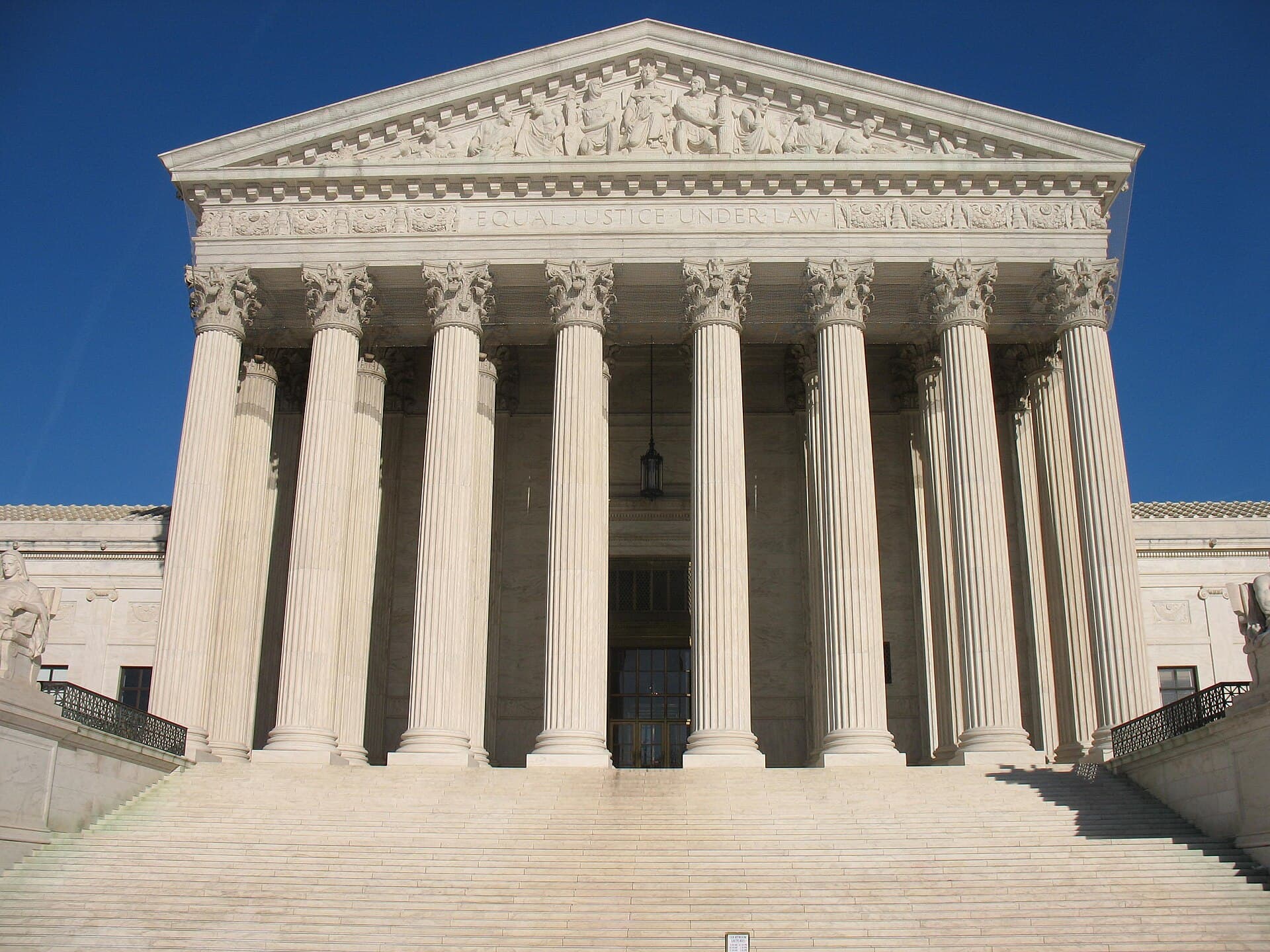
Mail voting rules can change how early voters must act, what paperwork they must complete, and how safely a ballot reaches election officials. Citizenship verification proposals can add another layer of proof before registration is accepted or kept active. Mid-decade redistricting can redraw political boundaries long before the next census, changing the balance of power in a congressional district while voters are already living under the new map.
Certification fights matter just as much, even if they get less attention. Certification is the point when local results become official and can move upward through the system. If that process is delayed, challenged, or reshaped by new rules, voters may not see the effect on election night, but they will feel it in whether results are settled quickly and whether winners take office on schedule.
Where power is concentrated now
Taken together, the system works less like a single election code and more like a layered power map. State legislatures write most of the day-to-day rules, Congress can override federal-election rules, state constitutions and courts can limit what legislatures do, the EAC supports administration, and the FEC governs campaign finance. That arrangement leaves room for conflict at every step, especially when one party or one branch tries to pull more authority into its corner.
That is why the current battles over ballots, districts, access, and certification matter beyond any single primary. They decide who gets to participate, how votes are counted, and whether the rules of competition stay stable from one cycle to the next. In American elections, control is shared, but the struggle over that shared control is permanent.
This article was produced by Prism’s automated news system from verified source data, official records, and press releases, then run through automated quality and moderation checks before publishing. The system is built and supervised by the people who set the standards it runs under. Read our full AI policy.
Did this article answer your question?

