Why Commander bans matter - a practical guide for players
Card Kingdom explains why specific cards are banned in Commander and how bans affect deckbuilding, playgroup etiquette, and competitive versus casual play.
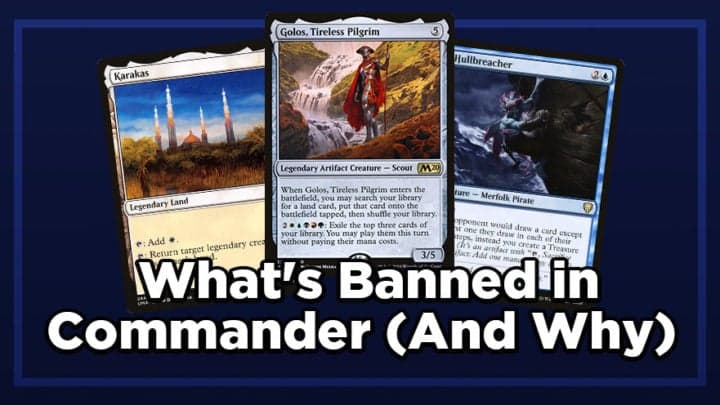
Card Kingdom published a long-form explainer that walks through why certain cards are banned in Commander, tracing the list’s roots, categories of problem cards, and practical consequences for games at the table. The piece lays out the reasoning behind early ban choices that came from legacy-era concerns and then maps that history onto Commander’s multiplayer, political format.
The explainer groups banned cards into familiar buckets: Power Nine-level cards that warp card advantage, ante/Conspiracy/offensive cards that threaten outside-game interaction or unacceptable risks, and especially fast mana and cards that enable turn-zero or turn-one wins. It makes clear that the underlying aim of the banlist is preserving multiplayer balance and the social contract of Commander by restricting elements that consistently produce noninteractive, game-ending lines or create unfun table dynamics.
That context matters to players building decks or running a table. Understanding that speed factors like fast mana and zero/one-turn combos are the primary targets helps explain why some staples trigger strong reactions in casual pods even when they’re technically legal. The explainer emphasizes the difference between tournament enforcement and kitchen-table etiquette: sanctioned events follow the official banned list for consistency, while casual groups often adapt and house-rule to preserve their preferred power level and social atmosphere.
For deckbuilders the takeaway is practical. If your meta values longer, political games, avoid anchoring a deck around one-shot lines that win before interaction. If you play more competitive pods or want to test sharp strategies, prioritize knowing the tournament list and practice keeping lines clear to opponents before executing them. For new and returning players the explainer functions as a readable primer on why certain cards draw the ban hammer: it’s not just raw power, but how that power scales in a five-player, singleton format and how it affects table dynamics.

The article also frames how the banlist evolved: early decisions reflected concerns from older formats and were adapted to Commander’s unique multiplayer pressures. That history helps explain why some bannings feel conservative while others target specific abuse vectors, like game-warping constructs or cards that introduce unacceptable randomness or external stakes.
This matters now because group cohesion and play experience decide whether a deck is welcome at the table. Use the explainer’s categories as a checklist when building or trading: ask whether a card accelerates unfair wins, removes meaningful choices, or undermines the social game. Knowing the reasoning behind bans makes it easier to negotiate house rules, tune power level, and keep Commander sessions both creative and fun.
Sources:
Know something we missed? Have a correction or additional information?
Submit a Tip