Why health care workers become scapegoats during epidemics
Epidemics often turn fear into blame, and health workers end up in the crosshairs. The pattern runs from 1918 influenza and Ebola to COVID-19 attacks worldwide.
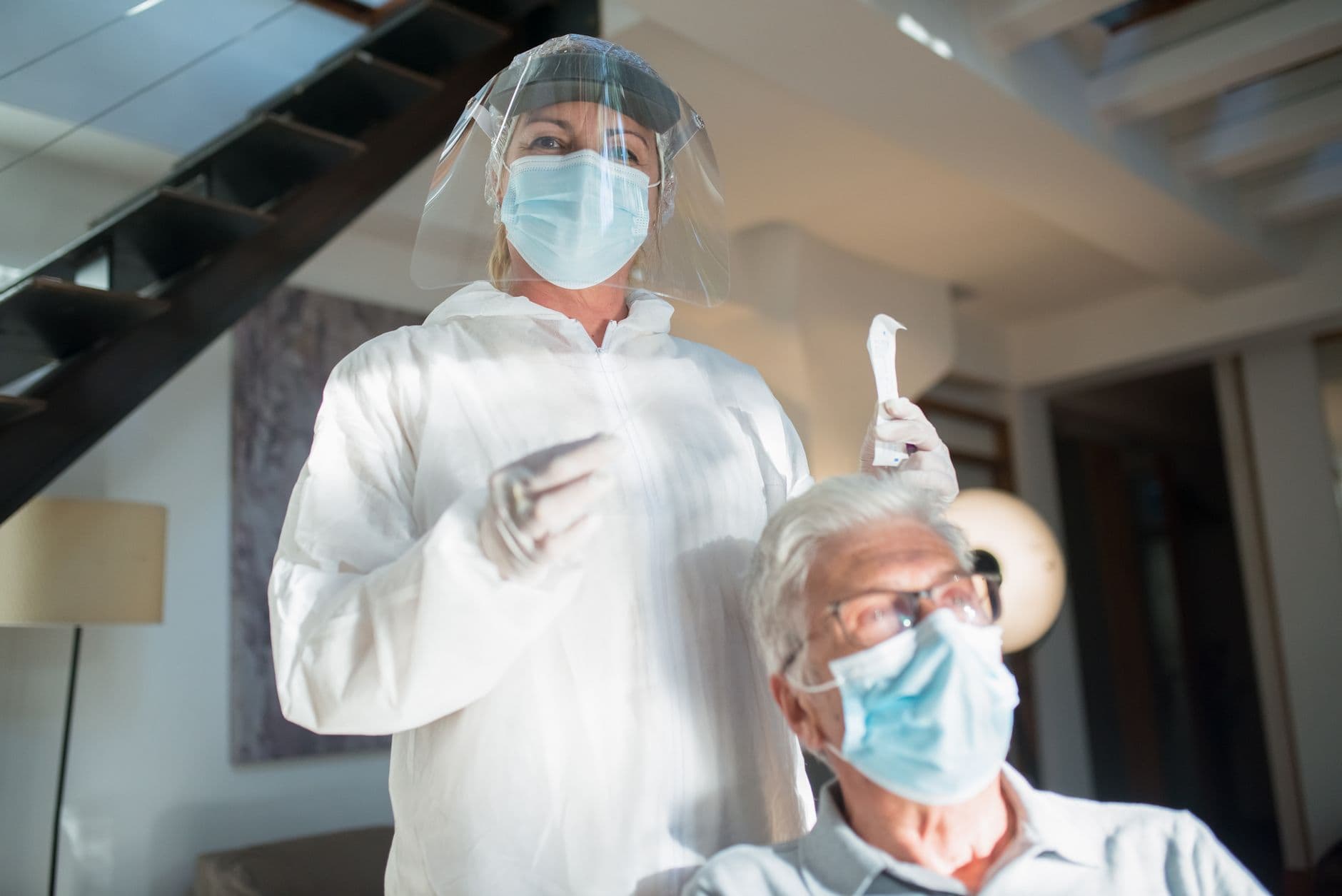
In late September 1918, St. Louis health commissioner Dr. Max C. Starkloff watched influenza spread from Boston and moved quickly. History shows the same mechanism repeating across the 1918 influenza pandemic, the Ebola epidemic in West Africa, and COVID-19: fear, misinformation, and anger at restrictions can turn nurses and doctors into scapegoats. That backlash weakens already strained health systems and makes outbreaks harder to control.
A familiar cycle in the 1918 pandemic
The 1918 influenza pandemic infected about 500 million people worldwide, roughly one-third of the global population, and caused at least 50 million deaths, including about 675,000 in the United States. In St. Louis, Starkloff helped turn the city into a widely cited case study in aggressive public-health intervention.
That same era also showed how shortages sharpen risk for health workers. Massachusetts had been drained of physicians and nurses by military service during World War I, and the governor asked every able-bodied person with medical training to help fight the epidemic. Nurses were praised as indispensable, yet they were also treated as replaceable, in a pattern a historian argued made certain people “sacrificial lambs” in both 1918 and 2020.
Why Ebola deepened distrust
The same dynamic reappeared in the 2014-2016 Ebola outbreak in Guinea, Liberia, and Sierra Leone, the largest Ebola outbreak in history and the first to affect urban areas. Columbia University’s Frontline Nurses project counted 28,616 confirmed and suspected cases and at least 11,310 deaths across those three countries.
When communities feel powerless and disease transmission is poorly understood, the people wearing protective gear can be seen not as protectors but as messengers of death, especially if they are linked to isolation, testing, or treatment decisions that limit normal movement.
COVID-19 made the violence measurable
The COVID-19 pandemic turned the pattern into a global security issue. The World Health Organization declared COVID-19 a pandemic on March 11, 2020, and violence against health care workers quickly became documented across countries and settings.
During the first three years of the pandemic, at least 255 healthcare workers were attacked, 18 were killed, 147 were injured, and 86 facilities were damaged. Insecurity Insight counted 412 reported incidents of violence against healthcare during 2020 alone. By 2022, WHO recorded over 1,000 confirmed attacks on health care in emergency-affected countries and fragile settings, a tally that included assaults on doctors and nurses, threats, damage to facilities, and public panic driven by fears of contagion.
How scapegoating takes hold
The trigger is rarely one event. It is usually a mix of conditions that build on one another: fear of infection, distrust of institutions, anger over quarantine or masking rules, and the sense that someone must be responsible when life is being disrupted. Health workers are especially exposed because they stand at the boundary between the sick and the public, which makes them highly visible and easy to blame.
That visibility cuts both ways. Public messaging often casts nurses and doctors as heroes, but praise alone does not stop threats, assaults, or vandalism. In a crisis, the person giving care can be mistaken for the source of danger, particularly when rumors spread that hospitals are hiding information or that clinicians are carrying infection from one family to another.
What the historical record says about the present
Across influenza, Ebola, and COVID-19, the details change but the logic does not. In 1918, a pandemic killed millions while health systems struggled with wartime staffing losses. In West Africa, Ebola moved into cities and overwhelmed trust as well as hospitals. During COVID-19, attacks on healthcare workers and facilities were counted in the hundreds and then the thousands.
This article was produced by Prism’s automated news system from verified source data, official records, and press releases, then run through automated quality and moderation checks before publishing. The system is built and supervised by the people who set the standards it runs under. Read our full AI policy.
Did this article answer your question?