Why obesity is rising fastest among younger adults
Obesity is rising fastest in adults in their 20s and 30s, turning a later-life disease into a longer and costlier burden for health systems and employers.
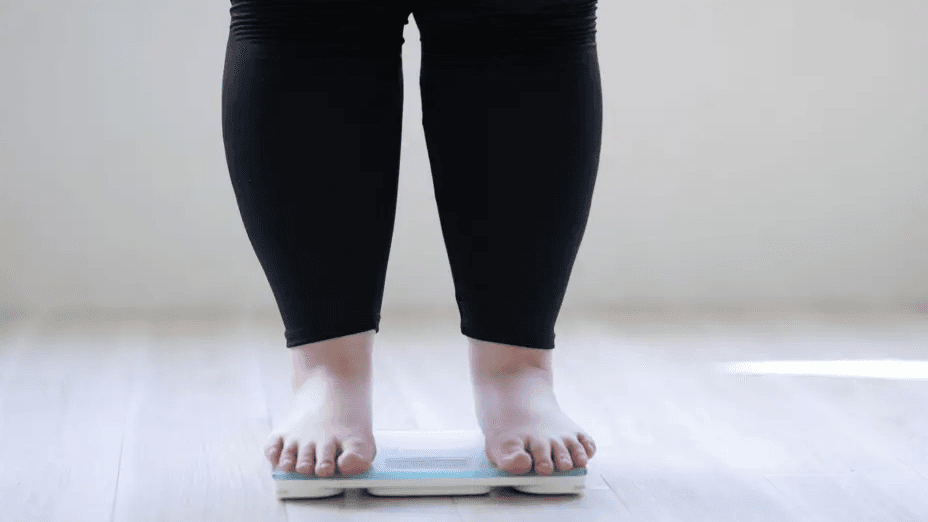
The Centers for Disease Control and Prevention’s National Center for Health Statistics updated its obesity trend reports in February 2026 with data through August 2023: 40.3% of U.S. adults ages 20 and older had obesity, and 9.7% had severe obesity. The fastest rise is showing up among younger adults who are entering their most economically exposed years while still building families, careers and savings.
A younger-age surge changes the math
The Centers for Disease Control and Prevention’s National Center for Health Statistics in Hyattsville, Maryland, based the February 2026 update on National Health and Nutrition Examination Survey data from August 2021 to August 2023. It also replaced older CDC trend reports that had only run through 2017 to 2018, giving a clearer view of how quickly the landscape has changed.
In 2024, the CDC found adults ages 40 to 59 were about 30% more likely to have obesity than adults ages 18 to 39.
Why younger adults are getting hit harder
Robert Fletcher, whose research was cited in the obesity report, said the study did not investigate causes. He pointed to a food environment that had changed for a generation: adults in their 20s and 30s grew up surrounded by more takeaways, more fast food outlets and heavier advertising for unhealthy food.
Behavior is shaped by what is cheap, convenient and constantly visible. A young worker paying rent, managing transport costs and trying to stretch a weekly shop is often making decisions under pressure, not in an idealized setting with spare time for meal planning. The cost-of-living squeeze pushes many households toward the most affordable calories, which are often the least nutritious.
Fletcher also said the pandemic, followed by the cost-of-living crisis, likely hit younger age groups harder because of stress, childcare, working from home and the rising difficulty of affording healthier food as inflation climbed. Irregular shifts, childcare gaps and remote work can all disrupt meals, exercise and sleep at the same time, making weight gain easier to accumulate and harder to reverse.
The pandemic’s long tail is still visible
The pandemic rewired daily habits, weakened social routines and made it harder for many younger adults to keep the kinds of structures that support weight control, from commuting and walking to regular meal timing and gym access. When those patterns break, the effect is rarely immediate, but the damage compounds quietly through months and years.
It also complicated access to preventive care. When primary care visits are delayed or skipped, weight gain, blood pressure changes and early metabolic risk can go unaddressed until they are more entrenched. In younger adulthood, early intervention has the longest payoff horizon: the earlier risk is identified, the more years there are to avoid diabetes, heart disease and other downstream costs.
The CDC’s data source here is NHANES. It is the only national survey that includes health exams and laboratory tests for all ages, which means the obesity trend is being measured clinically, not just through self-report.
The global burden is still climbing
The United States is not moving alone. The World Obesity Federation’s 2025 Atlas projected the number of adults living with obesity will rise by more than 115% between 2010 and 2030, from 524 million to 1.13 billion. The federation described obesity as a whole-of-society issue and argued that the response has to go beyond personal responsibility and into the design of the food environment.
That approach points to policy tools such as food labeling and taxation. If the market is saturated with cheap, aggressively marketed unhealthy food, prices and labels can help shift some demand and improve the information people see at the point of purchase. For governments, higher obesity prevalence feeds into long-run spending on treatment, disability and lost productivity, while also narrowing the pool of healthy young adults available for physically demanding jobs and military service.
Why the youngest adults matter most
The economic consequences are larger than the current prevalence rate alone suggests. Young adults who develop obesity in their 20s or 30s face a longer exposure window for heart disease, type 2 diabetes, sleep apnea and joint problems. Employers feel that later through higher absenteeism, more healthcare claims and lower productivity; public systems feel it through greater demand on clinics, hospitals and medication budgets.
The CDC’s age breakdown shows middle-aged adults still carry higher prevalence today, but the younger cohorts behind them are likely to enter that stage with a heavier risk profile than the one measured now.
This article was produced by Prism’s automated news system from verified source data, official records, and press releases, then run through automated quality and moderation checks before publishing. The system is built and supervised by the people who set the standards it runs under. Read our full AI policy.
Know something we missed? Have a correction or additional information?
Submit a Tip