Why So Many Americans Still Aren’t Getting Enough Sleep
Sleep loss is no longer a private bad habit. It is a nationwide safety, health, and economic drain, and the best fixes are more practical than trendy.
The public-health cost is already visible
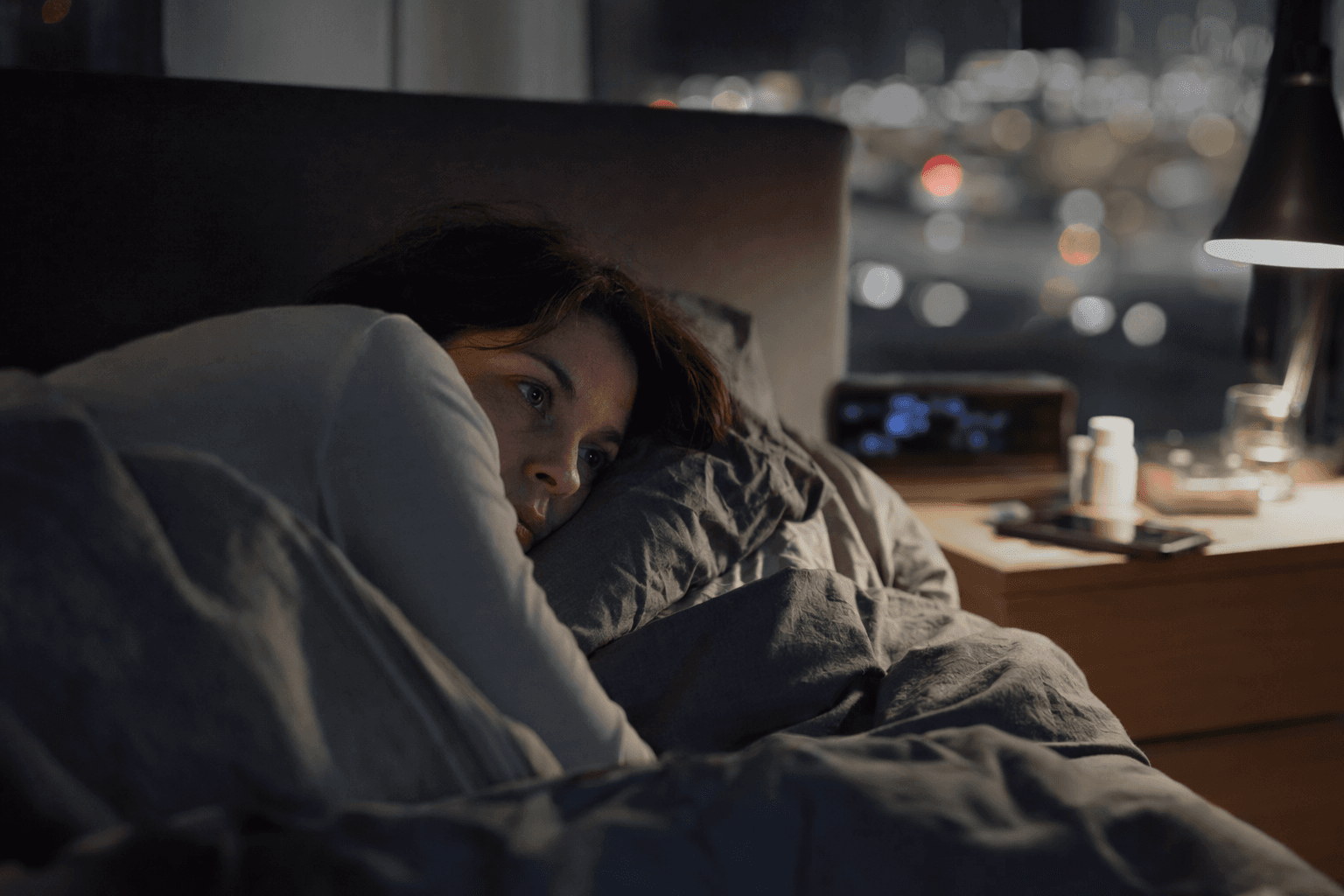
Too little sleep is showing up in America’s health, roads, and payrolls all at once. Nearly a third of adults are sleeping less than the recommended seven hours, and that shortfall is linked to heart disease, depression, obesity, injury, and other serious conditions, while drowsy driving and workplace fatigue turn a personal deficit into a public danger. CDC estimates have long put the price tag in stark terms, with 1.2 million working days lost each year in the United States because of sleep deprivation and a separate estimate suggesting that lifting people who sleep under six hours to six to seven hours could add about $226 billion to the economy.
That makes sleep deprivation more than a wellness talking point. It is a public-health problem with a social dimension, because the people most likely to lose sleep are often the ones whose schedules are least under their control. CDC and the American Academy of Sleep Medicine both set seven hours as the floor for adults, not a luxury target, and the recommendation is tied to better cardiovascular, metabolic, and mental health, as well as safer driving and fewer workplace accidents.
Why the problem keeps sticking around
The numbers suggest a stubborn national pattern, not a passing phase. In 2024, 30.5% of U.S. adults slept less than seven hours on average in a 24-hour period, and that share was basically unchanged from 2013 to 2022, according to CDC data. At the same time, more than half of adults, 54.8%, said they woke up feeling well-rested most days or every day, a reminder that many people can normalize short sleep even when it is still working against their health.
Work itself is a major part of the story. CDC and the National Institute for Occupational Safety and Health say nearly 30% of the U.S. workforce has a schedule outside a regular daytime shift, and shift work plus long hours are key risk factors for sleep-related crashes. That means the burden of alertness often falls on nurses, drivers, warehouse workers, first responders, and other people whose jobs demand performance at the body’s worst possible hours, which is an equity issue as much as a health one.
When sleep debt becomes a safety issue
The road toll is especially sobering. NHTSA says drowsy driving contributed to 684 deaths in 2021, or 1.6% of all motor-vehicle traffic fatalities. Drowsy driving can impair cognition and performance, and it does not only threaten the person behind the wheel; it also puts passengers, pedestrians, and co-workers at risk when fatigue spills over into daily life and the workplace.
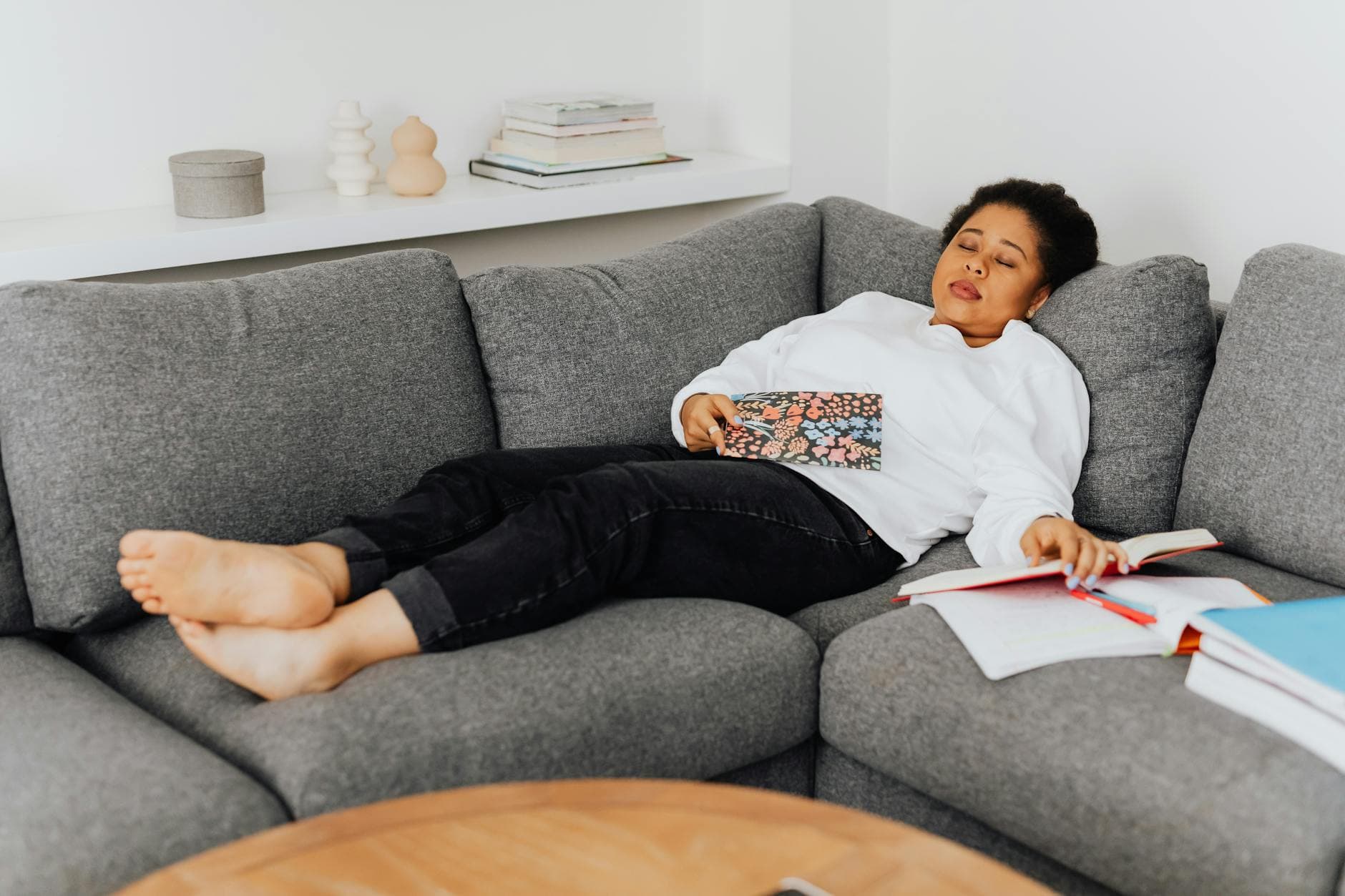
The health effects extend well beyond feeling groggy. CDC says insufficient sleep is linked to anxiety, depression, obesity, heart disease, injury, and other serious conditions, and the AASM sleep duration guidance adds weight gain, diabetes, hypertension, stroke, and increased risk of death to that list. Sleep loss is not just about getting through the next afternoon. Over time, it can shape the very conditions that drive the nation’s highest medical costs.
What actually helps, and what matters less than it sounds
The strongest fixes are boring in the best possible way: regularity, light, and timing. CDC recommends going to bed and waking up at the same time every day, keeping the bedroom quiet and cool, turning off electronic devices at least 30 minutes before bedtime, and avoiding caffeine in the afternoon or evening. NIOSH adds an important biologic detail: morning light helps set the body’s clock for daytime alertness, while bright evening light can push sleep later and make it harder to wind down.
A practical version of that advice looks like this:
- Keep the same sleep and wake time as often as possible, even on days off. Consistent sleep times improve sleep.
- Get bright light early in the day and reduce bright light late at night. Morning light nudges the body earlier, while evening light delays sleepiness.
- Cut off caffeine in the afternoon or evening. CDC says late caffeine can interfere with sleep, and if someone is already very sleep-deprived, caffeine alone may not be enough to make them safe to drive.
- If drowsiness hits while driving, pull over and rest. A 15- to 20-minute nap can help, but it is a stopgap, not a cure.
These measures are more evidence-based than the quick-fix culture around sleep. They work with biology instead of trying to overpower it. That does not mean every supplement or gadget is useless, but it does mean none of them should be treated as a substitute for a steady sleep schedule, light management, and enough time in bed.
When to suspect a sleep disorder
Sometimes the issue is not willpower or a messy bedtime routine. CDC says sleep disorders can prevent people from getting enough quality sleep no matter how hard they try, and common examples include insomnia, restless legs syndrome, narcolepsy, and sleep apnea. If you are sleeping long enough but still feel sleepy or tired, that is a sign to look deeper, not just to try harder.
Obstructive sleep apnea deserves particular attention because it is common, underrecognized, and consequential. NHLBI says symptoms can include snoring, gasping for air, or breathing that stops and restarts during sleep, and it notes that a sleep study may be needed to diagnose the condition. Persistent daytime fatigue, loud snoring, or witnessed pauses in breathing are reasons to bring the issue to a clinician, especially when the person is already trying to sleep the recommended seven hours or more.
The larger lesson is that America’s sleep problem is not simply an individual discipline problem. It is being carried by long shifts, late nights, screens, stress, and a labor market that still asks too many people to perform like machines. The most effective response is also the most humane one: treat sleep as a health necessity, not a personal indulgence.
This article was produced by Prism’s automated news system from verified source data, official records, and press releases, then run through automated quality and moderation checks before publishing. The system is built and supervised by the people who set the standards it runs under. Read our full AI policy.
Did this article answer your question?