Why Wembley still feels like football’s grandest stage for FA Cup ties
Wembley still turns FA Cup semi-finals into an event, but its magic now competes with schedules, travel costs and the logic of modern football.

Wembley still feels like football’s grandest stage because it is not just where matches are played, but where seasons are redefined. For clubs, players and supporters, the stadium acts as the symbolic home of English football, a place where the FA Cup can suddenly feel bigger than the competition around it.
Wembley as the national stage
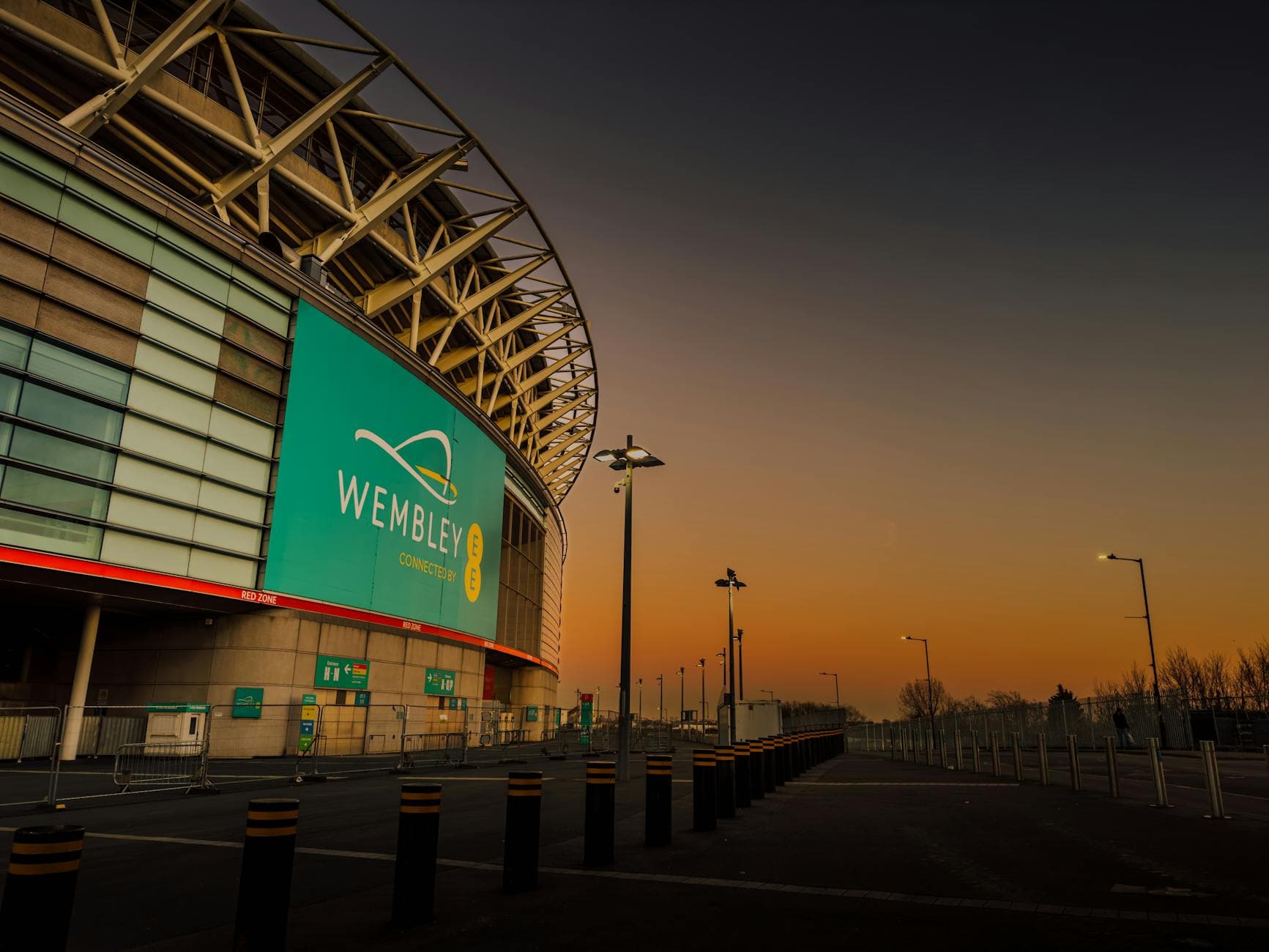
Part of Wembley’s power comes from what it represents before a ball is kicked. It has a long history of hosting landmark moments, and that history gives every semi-final a sense of continuity with the sport’s past. The arch, the scale and the sheer familiarity of the venue make it feel instantly significant, even when the football itself is still to come.
That is why Wembley does not function like an ordinary neutral ground. The stadium turns a single match into an event that feels larger than the tie itself. For a publication trying to understand why the FA Cup still matters, the answer often begins here: Wembley carries the weight of English football’s biggest dreams and most memorable occasions.
Why the semi-final changes the stakes
The FA Cup semi-final has a built-in drama that few fixtures can match. Teams are only one step from the final, which means the margin between triumph and disappointment is brutally small. At the same time, they must absorb the scale of the venue, the national audience and the pressure that comes with playing on one of the country’s most recognisable stages.
That combination matters because it creates a rare blend of occasion and tension. The setting does not simply host the contest, it shapes it. A semi-final at Wembley asks teams to manage footballing pressure and emotional weight at the same time, which is one reason the game can feel unlike a routine knockout tie played elsewhere.
The cup’s tradition sharpens that effect. The FA Cup remains one of English football’s most cherished prizes, and Wembley gives that ambition a physical setting. In practice, the semi-final is not just about getting into the final, but about surviving the moment when history, expectation and opportunity meet in one place.
Why fans still treat the trip as special
For supporters, Wembley remains a rare destination that can carry enormous emotional value. The trip itself can represent an opportunity that many fans do not get often, especially when their clubs are not regulars at the highest level or constant finalists. That scarcity helps explain why the stadium still feels exceptional even in an era of saturated fixtures.
The journey is part of the experience, but so is the meaning attached to it. A day at Wembley can stand apart from the rest of a season because it feels like a reward for endurance, loyalty and belief. When the match is an FA Cup semi-final, that sense of occasion is intensified by the possibility that the next stop is the final itself.
Yet the significance is not only nostalgic. Supporters still respond to the idea that Wembley is the place where football’s biggest domestic dreams become tangible. Even as modern schedules and commercial pressures reshape the sport, the stadium continues to offer a kind of collective theatre that few other venues can replicate.
What the stadium demands from players
For players, Wembley carries a different kind of weight. The ground brings history, pressure and opportunity together in equal measure, and that balance is central to its reputation. Walking into the venue is not the same as playing another cup tie at a large ground elsewhere. The stage itself becomes part of the challenge.
That is especially true in a semi-final. Teams are close enough to the final to sense the prize, but still far enough away that every decision can swing the outcome. The scale of the venue and the symbolism of the occasion can sharpen focus for some players and unsettle others, which is why Wembley often produces performances shaped as much by nerve as by tactics.
This is where the ground’s reputation still pays dividends for the competition. The FA Cup relies on moments that feel bigger than the schedule around them, and Wembley is designed to magnify those moments. The venue gives players a chance to perform under a level of scrutiny that mirrors the importance of the occasion.
Tradition versus practicality
Wembley’s place in the FA Cup is secure, but it is no longer beyond argument. The semi-final slot now sits within a late-season rhythm in which domestic leagues, cup runs and European ambitions collide. That crowded calendar changes how clubs approach the match and how fans experience the trip, especially when modern football asks more of people’s time, money and travel plans.
This is the central tension around Wembley’s role. Tradition says the semi-final belongs there because the venue adds symbolism, scale and national relevance. Practicality says the sport has changed, and that the cost and strain of getting to a single stadium can sit awkwardly alongside a fixture list already packed with obligations.
The best way to judge Wembley now is not to assume the answer is nostalgia. The real test is whether the FA Cup semi-final still gains something unique from being there, or whether the event is increasingly asked to carry meanings that tradition alone can no longer justify. That question matters because it goes to the heart of how football balances memory with the realities of the modern game.
Why Wembley still endures
Even with those pressures, Wembley continues to work because it still offers something few venues can: a neutral stage that feels national rather than merely convenient. Its size, its symbolism and its history give the FA Cup semi-final a seriousness that survives changing fashions in the sport. In that sense, the stadium remains more than an architectural landmark.
Wembley endures because it turns qualification into theatre and ambition into something visible. Clubs come there not just to play a match, but to measure themselves against a setting that has already been loaded with meaning by generations of football. That is why the ground still feels like the grandest stage in English football, even as the arguments around cost, scheduling and practicality grow harder to ignore.
This article was produced by Prism’s automated news system from verified source data, official records, and press releases, then run through automated quality and moderation checks before publishing. The system is built and supervised by the people who set the standards it runs under. Read our full AI policy.
Did this article answer your question?