Widow’s Bay and The Comeback stand out in uneven 2026 TV year
2026 TV has been uneven, but Widow’s Bay and The Comeback show how smaller breakouts and durable returnees are carrying the year’s real momentum.
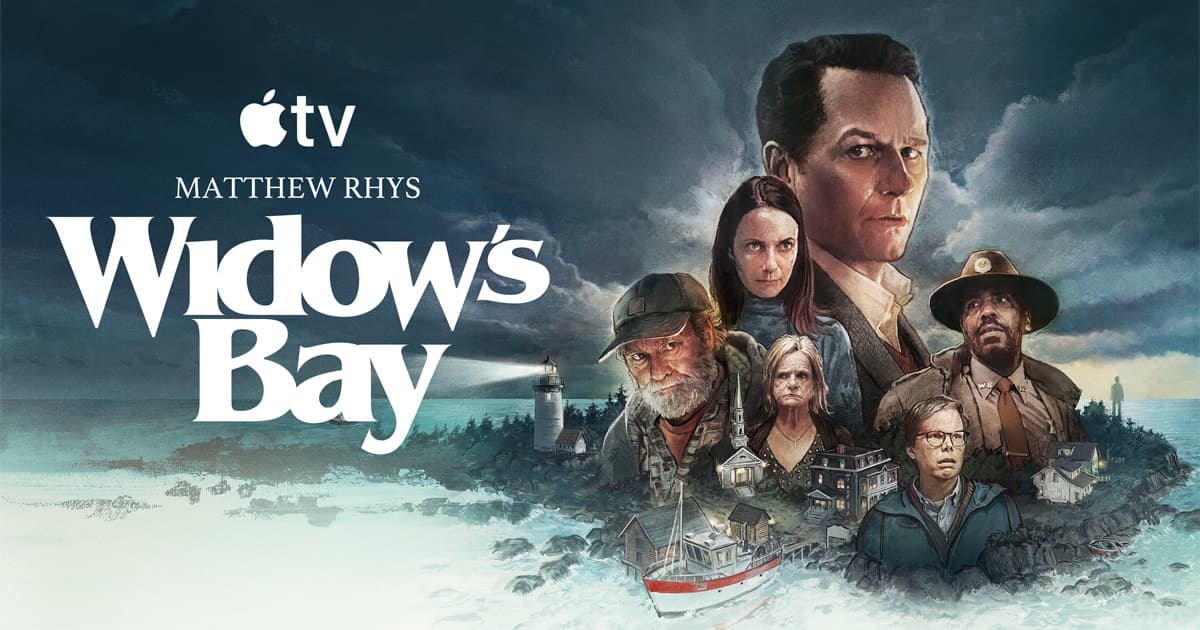
Two very different series have helped define a TV year that has not produced many consensus juggernauts. Apple TV’s Widow’s Bay and HBO’s The Comeback are thriving in the space between blockbuster and also-ran, and that says a lot about what audiences are rewarding right now: distinct voices, manageable episode counts, and shows that feel specific enough to break through without needing to become mass phenomena.
A fragmented year has made room for smaller wins
The broad 2026 conversation around television has been shaped by a familiar complaint with a new twist: there have been plenty of solid shows, but relatively few obvious mega-hits. Multiple critics’ lists have reflected that split, favoring a mix of returning prestige titles and a smaller pool of new breakout successes rather than one dominant series everyone can point to at once.
That is the opening Widow’s Bay and The Comeback have stepped into. One is a new genre hybrid from a fresh creative pairing, the other is a beloved comedy returning after a long absence. Together, they suggest a streaming and premium-cable marketplace that is rewarding familiarity and novelty in equal measure, but not necessarily at the scale of a cultural takeover.
Why Widow’s Bay stands out
Widow’s Bay is one of the year’s clearest examples of a show that wins by being hard to categorize. The Apple TV original comedy-horror series was created by Katie Dippold and directed and executive produced by Hiro Murai, with Matthew Rhys leading the cast as Mayor Tom Loftis in a cursed New England island town. That setup gives the show an immediate identity: comic, eerie, and rooted in a very specific American coastal gothic mood.
Apple launched Widow’s Bay globally on Wednesday, April 29, 2026, with the first three episodes and then rolled out new episodes every Wednesday through June 17, 2026. That weekly cadence matters. In a crowded streaming environment, a show that invites conversation over time has more staying power than one that disappears in a weekend burst, and Widow’s Bay was built to linger. Its 10-episode run also gives it enough room to establish a world without stretching the premise thin.
The series has also benefited from early critical attention. One recent best-of-2026 list singled it out among the strongest new shows of the year so far, which fits the way viewers have responded to unusual but well-made genre work this season. Widow’s Bay is not trying to be huge in the old-fashioned sense. It is trying to be memorable, and in a year with fewer obvious giants, that is enough to make it feel like a breakout.
What The Comeback reveals about returnees
If Widow’s Bay shows the power of a fresh concept, The Comeback shows how strong the market still is for a return that feels both nostalgic and newly relevant. HBO brought back the series for a third and final season on Sunday, March 22, 2026, at 10:30 p.m. ET, with the episodes also available to stream on HBO Max. HBO described the season as eight episodes long, and the finale aired on Sunday, May 10, 2026.
The timing alone tells part of the story. The Comeback first debuted in 2005, then returned for a second season in 2014. That made the 2026 run a return 20 years after the original debut and 10 years after the second season. Few series can bridge that kind of gap and still feel culturally live, but Lisa Kudrow’s Valerie Cherish remains one of TV’s most durable comic creations.
Andrew Scott joined the cast for season 3, giving the final season another layer of attention around a series that already carried built-in affection. The result is a revival that does more than trade on memory. It uses familiarity as a foundation, then asks audiences to meet a character who has been funny, painful, and revealing from the beginning. In a crowded year, that combination of legacy and sharpness has helped The Comeback stand out without needing to dominate every conversation.
What these shows say about audience taste
Taken together, Widow’s Bay and The Comeback point to a TV audience that is not simply chasing scale. Viewers are still showing up for prestige and spectacle, but they are also rewarding tone, personality, and a strong point of view. That is especially true when a show feels like it knows exactly what it is from the start.
What seems to be working in 2026:
- Genre blending with a clear emotional or comic spine, as Widow’s Bay does with comedy and horror.
- Shorter, tightly managed seasons that make sampling easier and weekly viewing more sustainable.
- Return engagements with real history behind them, especially when the central character still feels vivid.
- Platform strategies that favor deliberate rollout over dump-and-forget release patterns.
For Apple TV, Widow’s Bay fits a strategy built around distinctive originals that can punch above their size. For HBO, The Comeback shows the value of prestige nostalgia done carefully, with a final season that can draw on history without feeling frozen in it. Both series benefit from the same larger condition: there has been room in 2026 for shows that are good, sharp, and different, even if they are not huge.
That may be the defining story of the year so far. The most interesting TV in 2026 has not always been the loudest or the biggest. More often, it has been the work that knows how to be just large enough to matter, and distinct enough to stick.
This article was produced by Prism’s automated news system from verified source data, official records, and press releases, then run through automated quality and moderation checks before publishing. The system is built and supervised by the people who set the standards it runs under. Read our full AI policy.
Know something we missed? Have a correction or additional information?
Submit a Tip