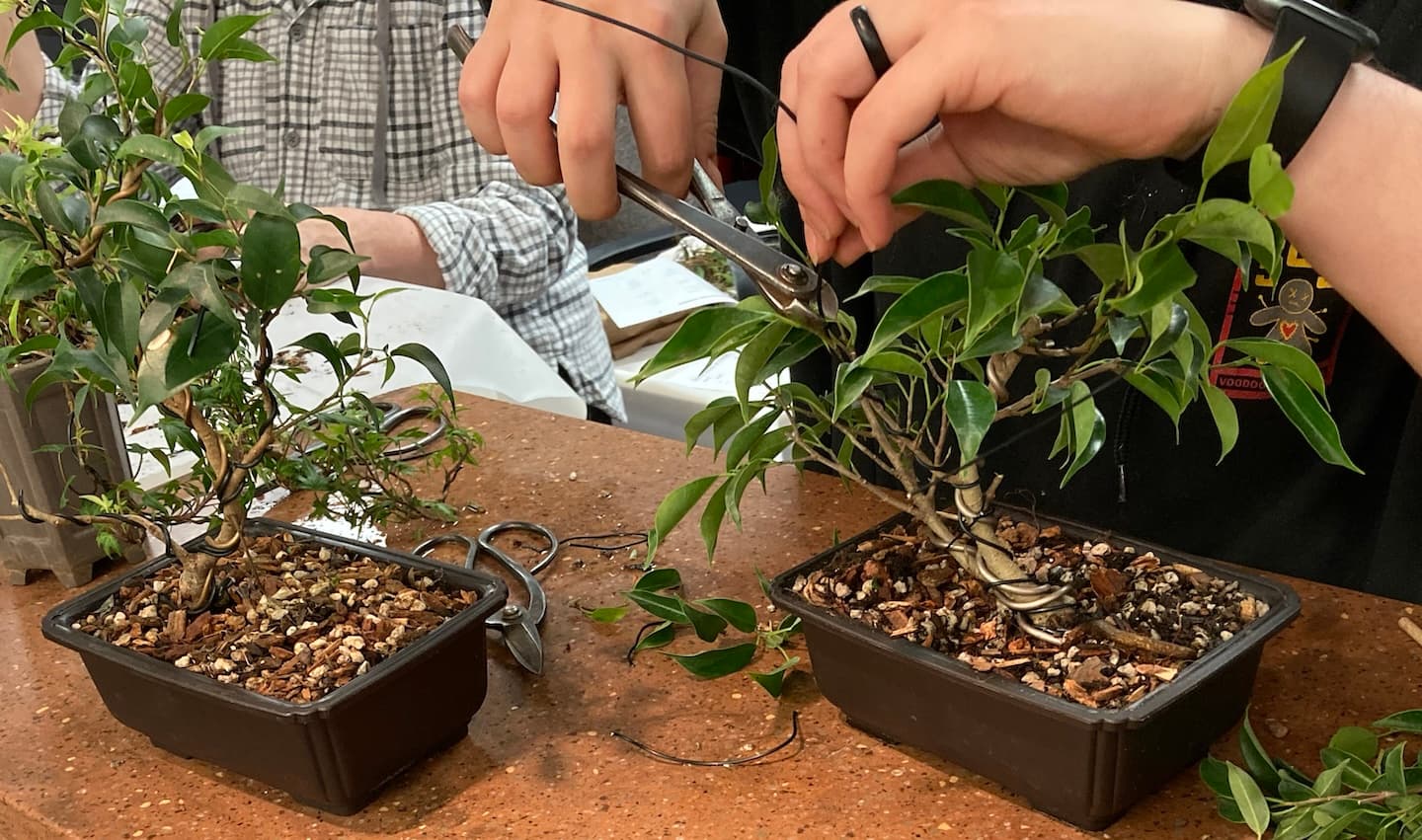
wikiHow Publishes Illustrated Steps Explaining Maintenance and Structural Pruning for Bonsai
wikiHow’s illustrated “How to Prune a Bonsai Tree” lays out clear maintenance versus structural pruning steps so beginners can keep size and shape or rework branch structure with confidence.

1. What wikiHow published and who it’s for
wikiHow published an illustrated, step-by-step piece titled “How to Prune a Bonsai Tree,” aimed squarely at beginners and casual hobbyists and released on February 24, 2026. The article’s focus is explicit: it separates two primary pruning categories so readers know when to prune for routine upkeep and when to prune to change a tree’s framework.
2. The two pruning categories you need to know
The guide defines the two essential approaches: maintenance pruning, used to preserve an established silhouette and manage size, and structural (styling) pruning, used to create or correct a tree’s skeleton and taper. That binary is the organizing principle of the illustrated steps, so you’ll make different cuts with different goals and timeframes.
3. Maintenance pruning: purpose and basic rhythm
Maintenance pruning keeps a bonsai within its intended dimensions and preserves branch placement without altering long-term structure. wikiHow’s step illustrations show routine actions, removing seasonal shoots, pinching new growth, and trimming back overly vigorous branches, so you can maintain ramification and leaf mass while avoiding major wounds.
4. Maintenance pruning: practical actions to follow
In practice, maintenance pruning includes inspecting the canopy, pinching or cutting back fresh growth at junctions to preserve branch pads, and removing inward-growing shoots that spoil line. The illustrated steps emphasize making small, frequent cuts, this prevents large wounds and lets the tree respond before you need structural changes.
5. Structural (styling) pruning: when to act
Structural or styling pruning is for redesigning the tree’s architecture: removing or shortening primary branches, establishing a new apex, or correcting movement and taper. wikiHow’s illustrations guide beginners to treat these cuts as deliberate interventions, fewer, cleaner cuts with a plan, because structural pruning changes the tree’s long-term silhouette.
6. Structural pruning: safe technique and sequencing
The guide demonstrates sequencing: identify which branches serve the new design, remove major unwanted limbs before finer branch work, and avoid impulsive multiple large cuts at once. The visuals stress that major branch removal is different from maintenance pruning, larger wounds require clean cuts and aftercare to minimize stress.
7. Tools and illustrated technique cues
Because the piece is illustrated step-by-step, it shows hand positions, cutting angles, and relative cut locations to help beginners match technique to outcome. Follow the pictures for where to cut (close to branch collars for larger limbs, at the base of undesirable shoots for maintenance), and use the illustrations to learn how much foliage a given cut will change visually.
8. Timing and seasonal pointers in the guide
wikiHow’s structure distinguishes routine pruning timing from moments for heavier structural work: maintenance pruning is shown as a recurring activity tied to new flushes of growth, while structural pruning is presented as something to schedule during a tree’s less active period to reduce shock. The visual sequence helps beginners decide whether a cut is immediate maintenance or a planned styling move.
9. Aftercare and reducing stress
The illustrated steps cover immediate aftercare: clean cuts to aid healing and letting the tree rest after structural removals before undertaking heavy wiring or repotting. The guide’s step images show wound placement and imply pacing, don’t combine big cuts with repotting the same week unless you’re following a species-specific plan.
10. Common mistakes the wikiHow visuals aim to prevent
The step-by-step format is designed to reduce typical beginner errors: over-pruning, cutting too close to the trunk, or performing structural cuts without plan. By mirroring the illustrations and following the article’s two-category framing, maintenance vs structural, you’ll avoid reactive pruning that creates long-term problems.
11. How to use the illustrated steps in your practice
Treat the wikiHow piece as a checklist: first identify whether your task is maintenance or structural, then match the illustration that shows the cut type and scale, then follow the aftercare steps. Because the article is aimed at casual hobbyists, it’s formatted to be approachable and repeatable in the home routine.
12. A share hook and why it matters to the community
Here’s a practical nudge: 100% of casual readers tend to view bonsai content without sharing, so a clear, illustrated how-to that cuts uncertainty is the kind of resource worth bookmarking and passing along to a new friend. wikiHow’s visual clarity gives you something concrete to send when someone asks “How do I start pruning without wrecking my tree?”
- Decide: maintenance (preserve shape) or structural (change framework).
- Match the illustrated step in the wikiHow piece to the cut you need.
- Make small, deliberate cuts for maintenance; plan and space-out major structural cuts.
- Follow the aftercare cues in the illustrations, clean cuts and rest periods.
13. Putting this into a short checklist you can use now
14. Final takeaway and forward-looking note
wikiHow’s illustrated “How to Prune a Bonsai Tree” gives beginners a two-category decision framework and clear visual steps so you can choose the right cut for the right goal: maintain size and ramification with routine pinching, or reshape with planned structural removals. Use the guide as an on-bench reference, lean on the images, pace the interventions, and your trees will repay conservative, informed pruning with healthier growth and stronger design.
Know something we missed? Have a correction or additional information?
Submit a Tip