Wildfires rage across Florida and Georgia, destroying homes and forcing evacuations
Smoke blanketed Atlanta, Savannah and Jacksonville as Georgia fires burned more than 34,000 acres, destroyed homes and forced evacuations.
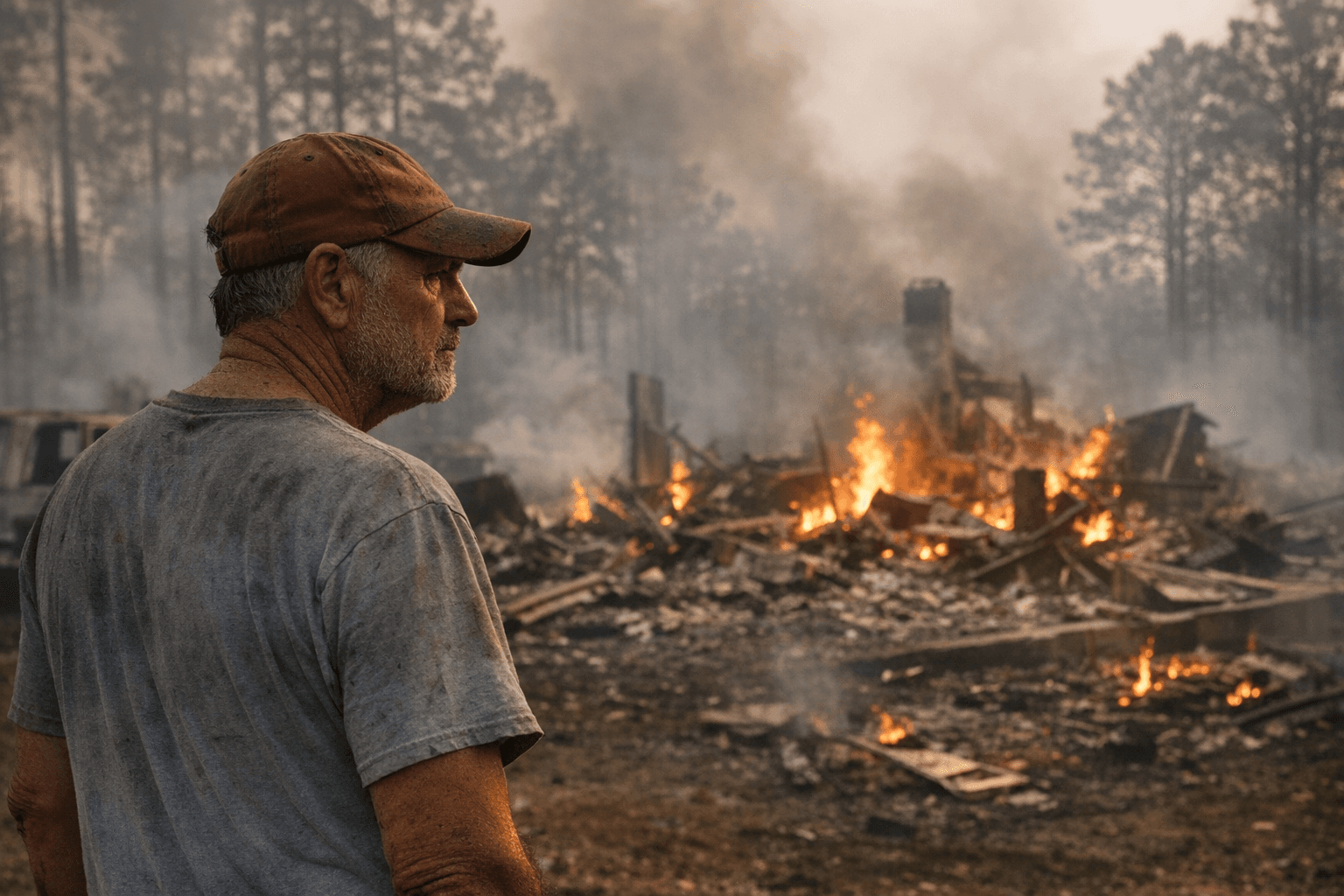
Wildfires driven by drought, low humidity and strong winds turned parts of Florida and Georgia into a fast-moving emergency Thursday, closing roads, forcing evacuations and pushing smoke far beyond the burn zones. The haze reached Atlanta, Savannah, Jacksonville and parts of South Carolina, while firefighting crews worked to keep the blazes from spreading into more neighborhoods.
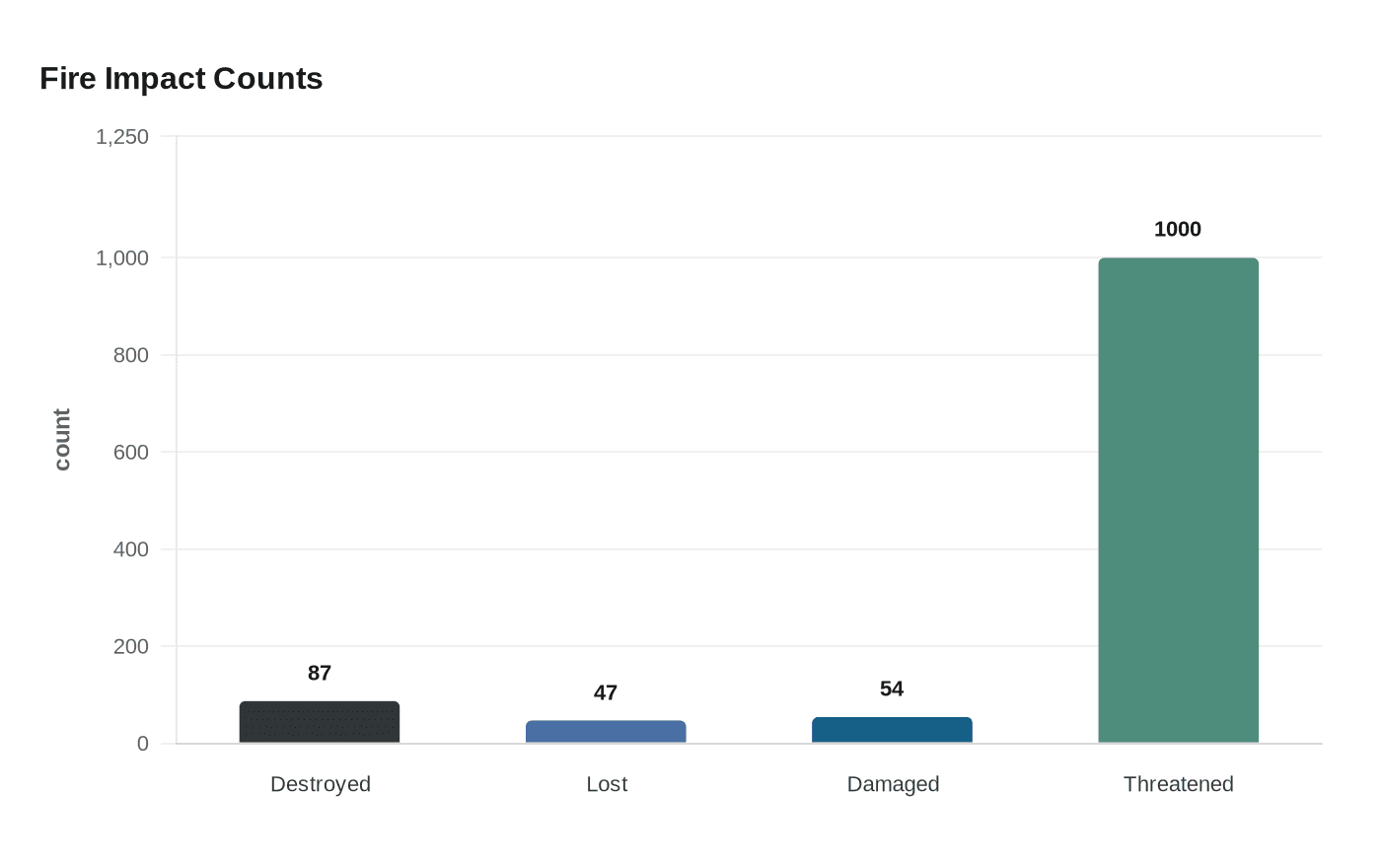
In Georgia, officials said the state’s two biggest fires had burned more than 34,000 acres combined. The Pineland Road Fire in Clinch County had grown to nearly 29,606 acres and was about 10% contained. The Highway 82 Fire in Brantley County had burned more than 4,400 acres and roughly 5,000 acres, depending on the update, and was about 15% contained. One official update said the Highway 82 Fire had destroyed at least 87 homes by Thursday afternoon. Another report said 47 homes were lost in southeastern Georgia on Tuesday, with at least 54 structures damaged, and that about 1,000 homes were threatened across the region.
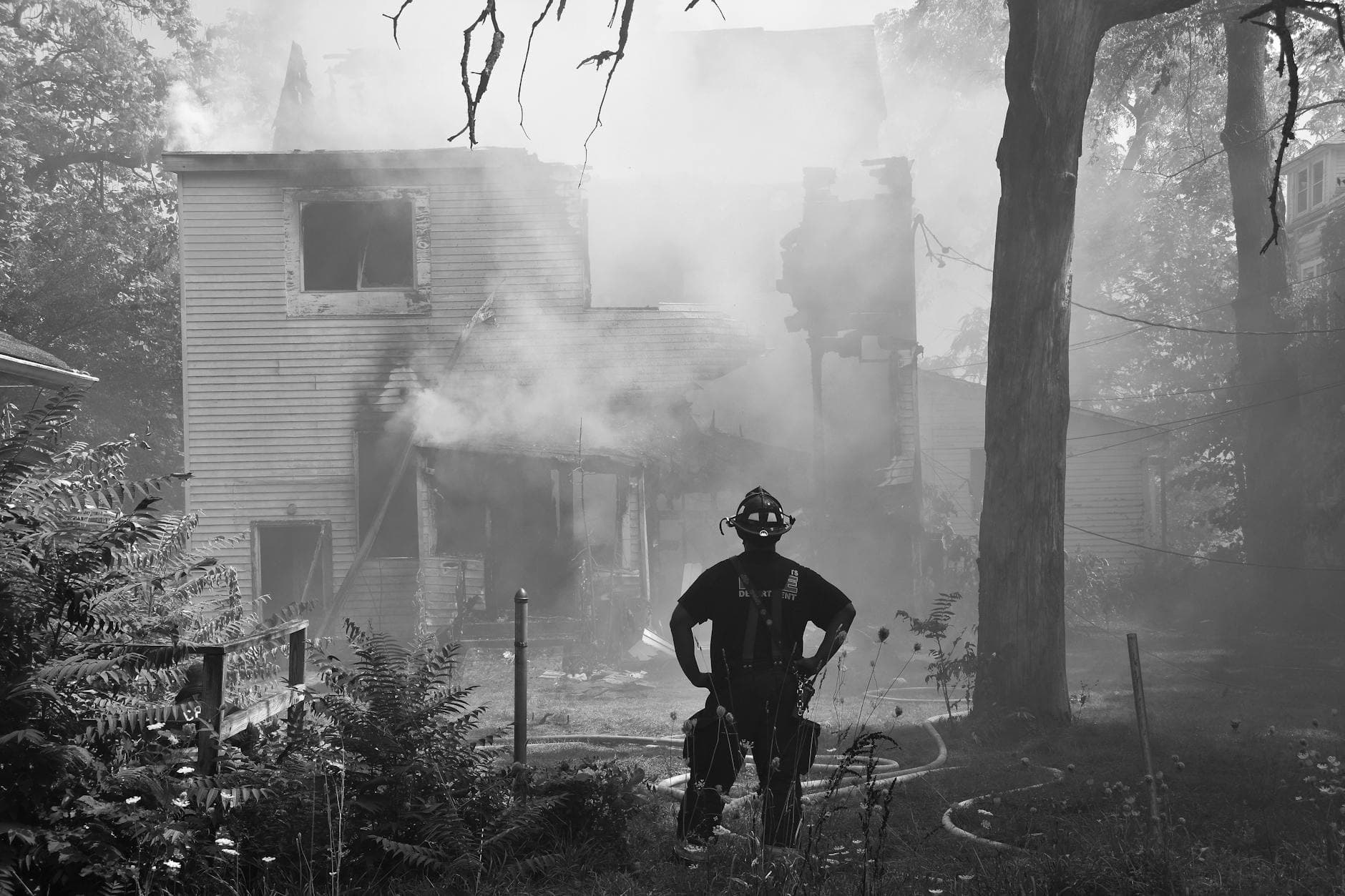
Brian Kemp declared a state of emergency for 91 counties in South Georgia, and officials issued burn bans across the same area. At least 16 agencies were working the Brantley County fire. No deaths had been reported as of Thursday, but evacuations remained in place and officials warned conditions could change quickly as wind and dry fuel continued to feed the flames.
Florida faced its own strain as state officials described one of the worst fire seasons in decades after about 18 months of drought. Crews staged firefighting equipment across the state to keep resources closer to active fires, a sign that agencies were trying to move faster as new blazes flared. Crews responded to 34 new wildfires Wednesday that burned about 75 acres statewide.
The immediate damage is visible in the homes lost and the families displaced. The broader test is whether the Southeast can keep up with a fire season that now looks longer, drier and harder to contain. With smoke spreading across state lines and major fires still only partly contained, the region is being forced to confront a new reality: wildfire risk is no longer confined to the rural edge of the map, and the response system is being asked to stretch farther than ever.
This article was produced by Prism’s automated news system from verified source data, official records, and press releases, then run through automated quality and moderation checks before publishing. The system is built and supervised by the people who set the standards it runs under. Read our full AI policy.
Did this article answer your question?

