Williams says Fed move leaves policy well positioned as inflation slows
New York Fed President John C. Williams endorsed the Federal Reserve's Dec. 10 quarter point rate cut and said the adjustment moves policy toward neutral, leaving officials well positioned as they enter 2026. His outlook projects inflation moderating in 2026 and growth strengthening, while he warned policymakers will balance the goal of returning inflation to 2 percent with avoiding undue damage to the labor market.
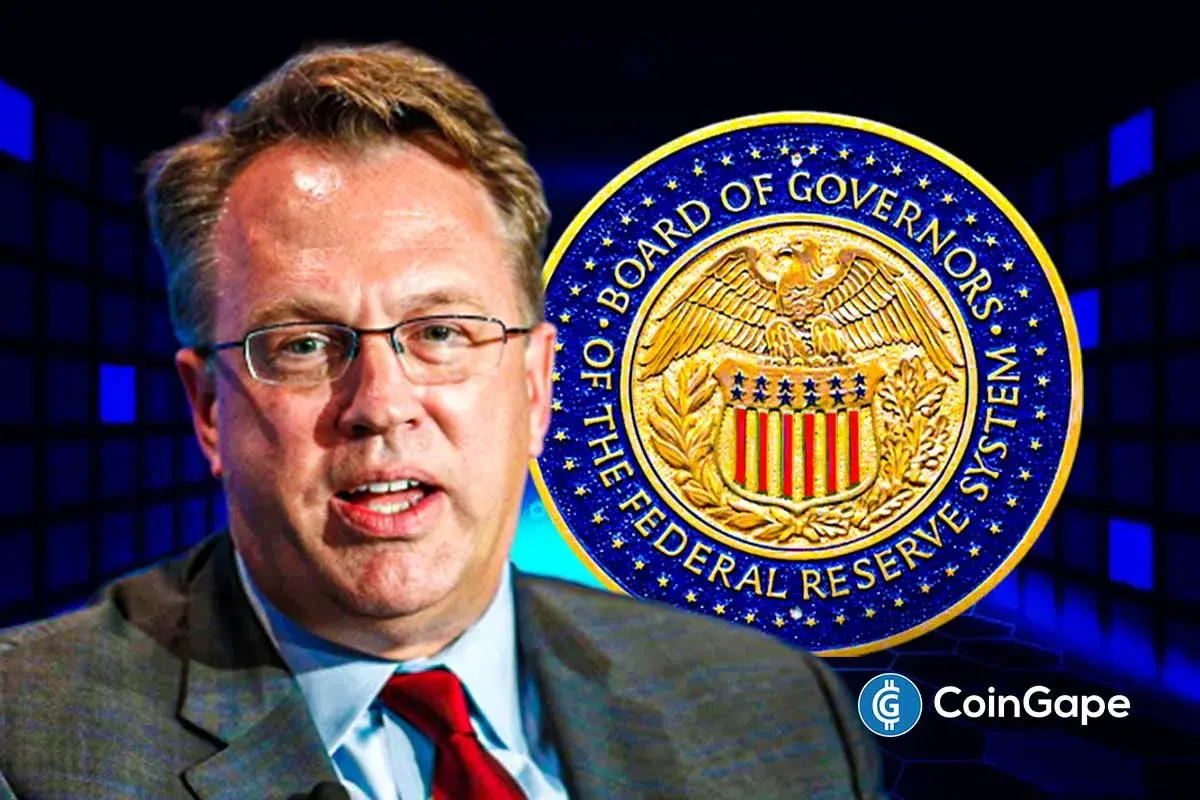
John C. Williams, president of the Federal Reserve Bank of New York, said the central bank's decision last week to lower its policy rate by a quarter point was the right step and left monetary policy in a more balanced posture heading into 2026. Speaking at a New Jersey Bankers Association event in Jersey City on December 15, Williams said he was "very supportive of the decision we made" and described the move as a recalibration to weigh elevated inflation risks against rising downside risks to employment.
The Federal Open Market Committee cut its overnight interest rate target on December 10 to a range of 3.50 percent to 3.75 percent. Williams repeatedly characterized the shift as moving policy "from modestly restrictive toward neutral," and said the committee's priority is to bring the competing risks to inflation and the labor market into balance. He added the actions taken "position us really well" to manage those risks into 2026, while acknowledging substantial uncertainty about trade policy, inflation measurement and the broader economy.
Williams laid out a multi year view that implies a slower path for inflation and a modest pickup in growth. He said he expects inflation to moderate in 2026 to slightly below 2.5 percent and to reach the Fed's 2 percent objective in 2027. He projected U.S. economic growth would accelerate to roughly 2.25 percent in 2026, up from an estimated 1.5 percent in 2025, citing a supportive fiscal stance, more favorable financial conditions and rising investment in artificial intelligence and other technologies.
On labor markets Williams signaled a gentle cooling rather than a sharp deterioration. He anticipated the unemployment rate would peak at about 4.5 percent and then decline gradually over the next several years. At the same time he emphasized that the path forward is data dependent, telling reporters it is "too early to say" what the next policy move should be and that officials will "wait and collect all that data" before the FOMC meets again at the end of January.

Williams also stressed the difficult trade offs facing the committee. He warned that if policymakers do not calibrate policy carefully "doesn't continue to cut rates, we will be in a really bad spot in 2027, because inflation will be down towards our target and the labor market will be quite a bit weaker because we kept policy too tight," underscoring his concern that overtightening could tip the economy into excess slack once inflation falls closer to target.
He touched on secondary factors that could complicate the outlook, saying tariffs that lifted prices this year had a more muted and drawn out impact than expected and urging caution in interpreting quirks in statistical measurement when reading inflation signals. With markets and policymakers now awaiting incoming data and the January 27 to January 28 meeting, Williams framed the Fed's current stance as a deliberate, evidence driven pause aimed at delivering a soft landing for prices and jobs.
This article was produced by Prism’s automated news system from verified source data, official records, and press releases, then run through automated quality and moderation checks before publishing. The system is built and supervised by the people who set the standards it runs under. Read our full AI policy.
Did this article answer your question?

