Wimbledon qualifying paused as automated line-calling system fails again
Wimbledon qualifying stopped on every court when a power fault knocked out automated line calling, exposing how one failure can halt officiating across the site.
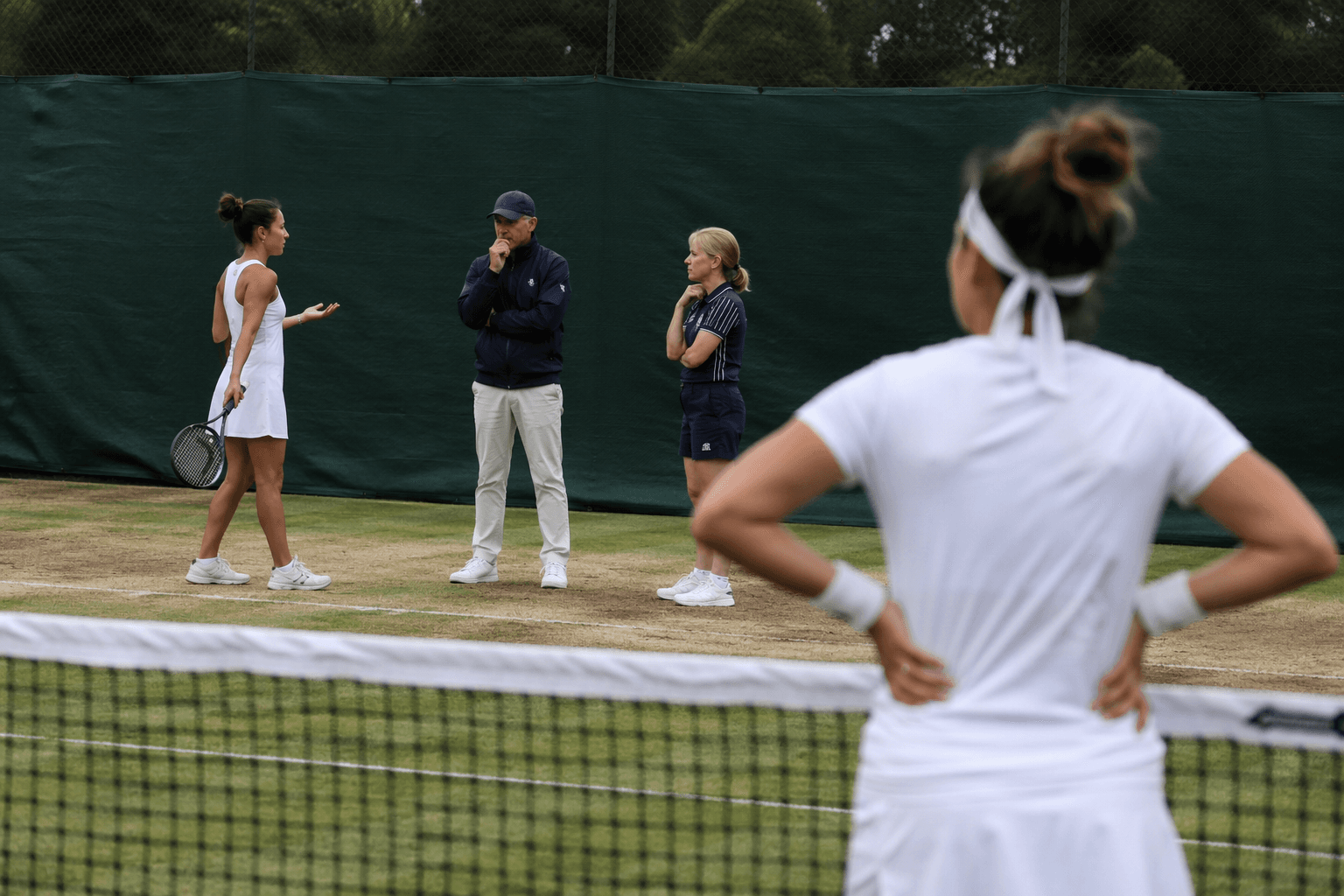
Wimbledon qualifying was halted across all courts on Wednesday after a power problem knocked out the tournament’s automated line-calling system, sending players off court in 33C heat at the Lawn Tennis Association’s National Tennis Centre in Roehampton.
Dan Evans had just lost the first set of his match against Tristan Schoolkate when play stopped. The interruption affected every court, not just one disputed point, and that made the breakdown operational rather than a matter of one close call. Organizers said play would resume at 11:45 GMT, but the stoppage lasted just over an hour, with matches paused at about 12:15 pm local time and players back on court around 1:30 pm.
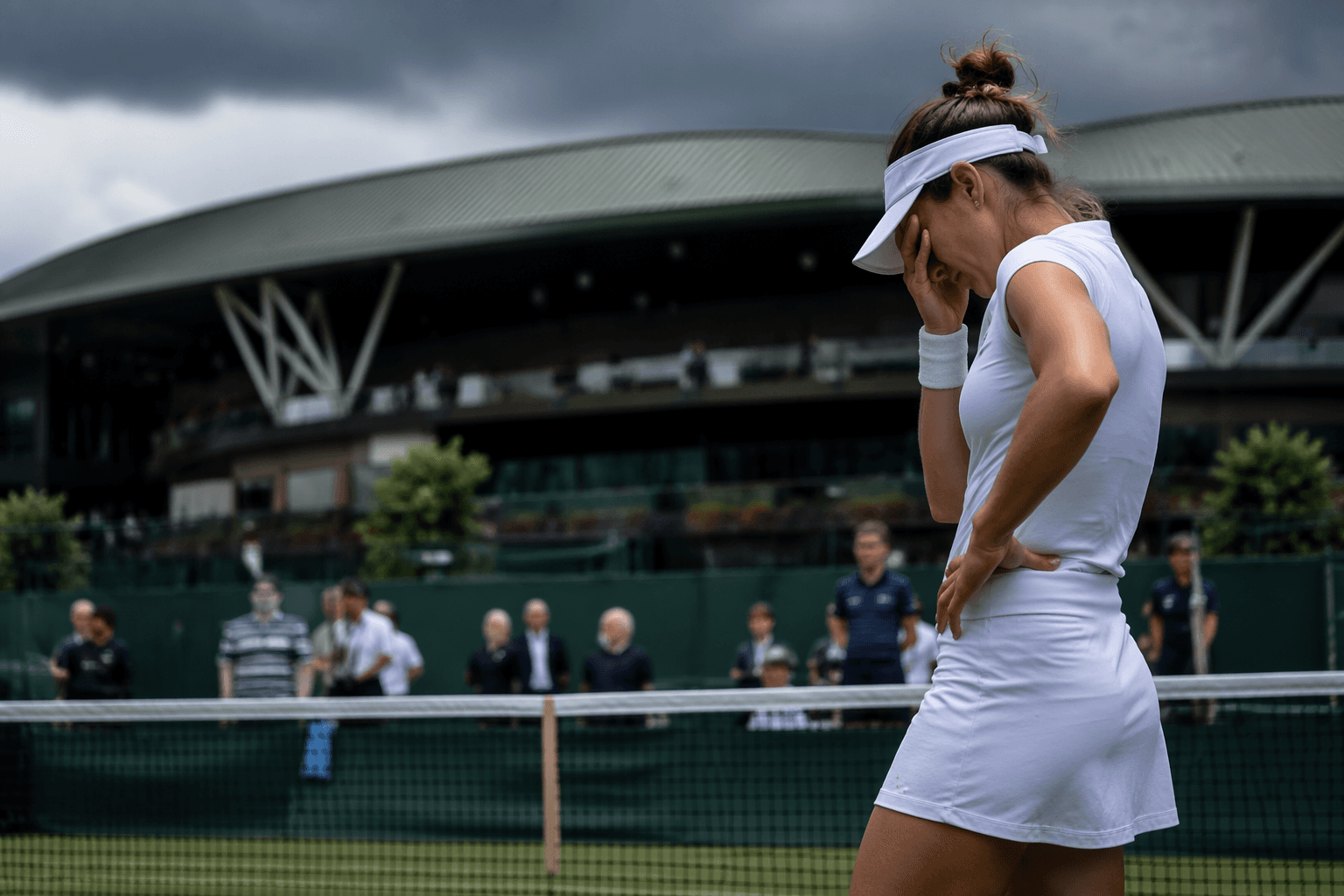
The glitch landed under a system Wimbledon only fully adopted for the 2025 Championships, when the All England Club removed line judges and switched to live electronic line calling on all main-draw and qualifying courts. Wimbledon had already used Hawk-Eye on Centre Court and No. 1 Court before the full change, but the current setup now reaches every match court at the tournament, which is why a power cut can now freeze officiating everywhere at once.
This was not the first disruption of the week. Play had also been affected on Monday, June 23, renewing scrutiny of a technology that is supposed to reduce controversy by removing human judgment from line calls. Instead, the qualifying event showed the fragility of a system that depends on infrastructure players cannot see and fans cannot audit when it fails.
The contrast with the old setup is stark. For years, line judges provided visible, on-court officiating. Now Wimbledon is asking players, coaches and spectators to trust an automated system that vanished completely when the power dropped. The club has not pointed to a specific player dispute or broader safety issue, but the pause underscored how dependent the tournament has become on resilient power and backup planning.
The malfunction matters beyond a weather delay or a temporary inconvenience. Wimbledon’s qualifying courts, like its show courts, are now tied to a single technological chain, and the failure came during a hot day when heat, timing and impatience all sharpened the strain on the event. With the main Championships approaching, the All England Club faces a practical test: prove that automated officiating can withstand the same pressure that the old human system was built to absorb.
This article was produced by Prism’s automated news system from verified source data, official records, and press releases, then run through automated quality and moderation checks before publishing. The system is built and supervised by the people who set the standards it runs under. Read our full AI policy.
Know something we missed? Have a correction or additional information?
Submit a Tip