Wind dramatically increases peripheral cold stress even when core stays stable
A controlled experiment exposed healthy men to −5°C air at four wind speeds and found wind sharply lowered skin and fingertip temperatures despite stable core temperatures. This matters for cold-plunge and outdoor event safety.

A new open-access experimental study put healthy male volunteers into −5°C air under four wind-speed conditions, 0, 2, 4.5, and 7 m/s, and tracked core and peripheral thermal responses. The headline result is simple and practical: wind made the extremities much colder even though core (rectal/gastrointestinal) temperature remained stable, largely because clothing insulation preserved central warmth.
Researchers measured a pronounced drop in peripheral skin temperatures as wind speed rose. Fingertip temperatures averaged about 12.7°C at the highest wind speed, a level that noticeably increases numbness and dexterity loss. By contrast, core temperature stayed steady across conditions, demonstrating that preserved insulation can mask substantial peripheral stress.
Body shape and composition mattered. Larger body surface area and higher BMI correlated with higher shivering frequency and worse thermal comfort, while participants classed as overweight shivered less often. Those mixed signals underline that morphology influences both involuntary responses like shivering and subjective comfort, and that a one-size-fits-all approach to cold-event planning misses important variation between attendees.
The study has immediate relevance to the ice-bathing and outdoor cold-exposure communities. Even when ambient air is only mildly cold, wind can rapidly target hands, feet, and fingers, the same trouble spots swimmers and plankers report after a short exposure. Event organizers planning urban plunges, pop-up cold tubs, or winter swims need to treat wind as a multiplier of peripheral risk rather than relying solely on ambient temperature or core-protection strategies.
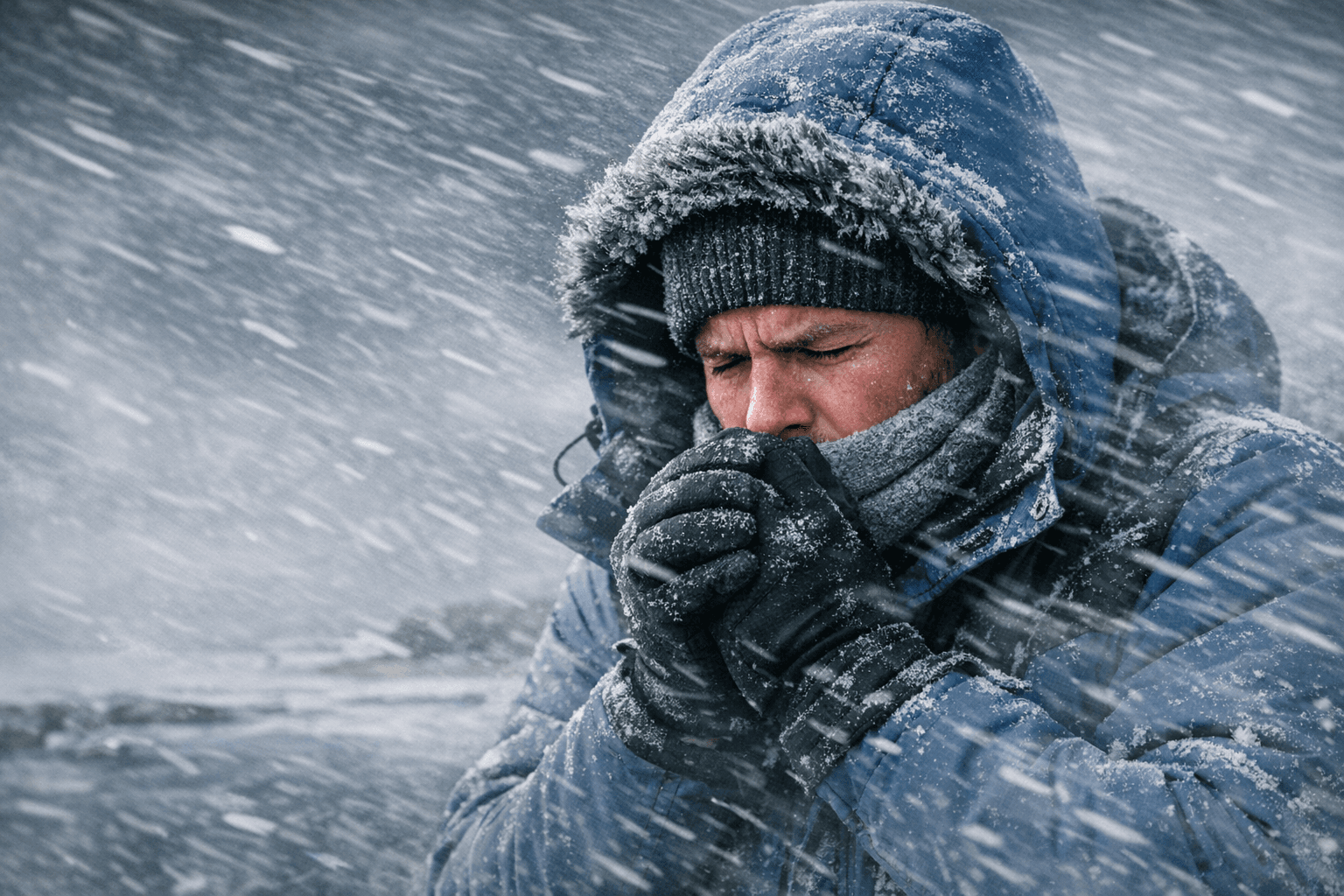
Practical actions follow directly. Prioritize windbreaks, sheltered staging areas, and short exposure windows. Insulate extremities with liners, neoprene booties, and fitted gloves between dips rather than relying only on torso coverage. Monitor shivering frequency and reported thermal comfort as early warning signs, and consider body morphology when assigning safety roles or recovery times, a participant with larger BSA or higher BMI may shiver more and feel colder despite preserved core warmth. For medics and volunteers, focus checks on fingertip and toe warmth and on functional signs like grip and balance rather than waiting for core temperature changes.
The takeaway? Wind is the silent escalator of peripheral cold stress. Our two cents? Treat wind like water temperature when you plan a cold plunge: protect the extremities first, keep exposures short, and use shelters or windbreaks to stop fingers and toes from becoming the weak link in an otherwise safe setup.
Know something we missed? Have a correction or additional information?
Submit a Tip