Winter Storm Fern Spurs Higher Energy Use; Atmos Energy Advises Rockwall Customers
Winter Storm Fern drove up natural gas use, and Atmos Energy warns Rockwall residents their heating bills may be higher and offers payment options.
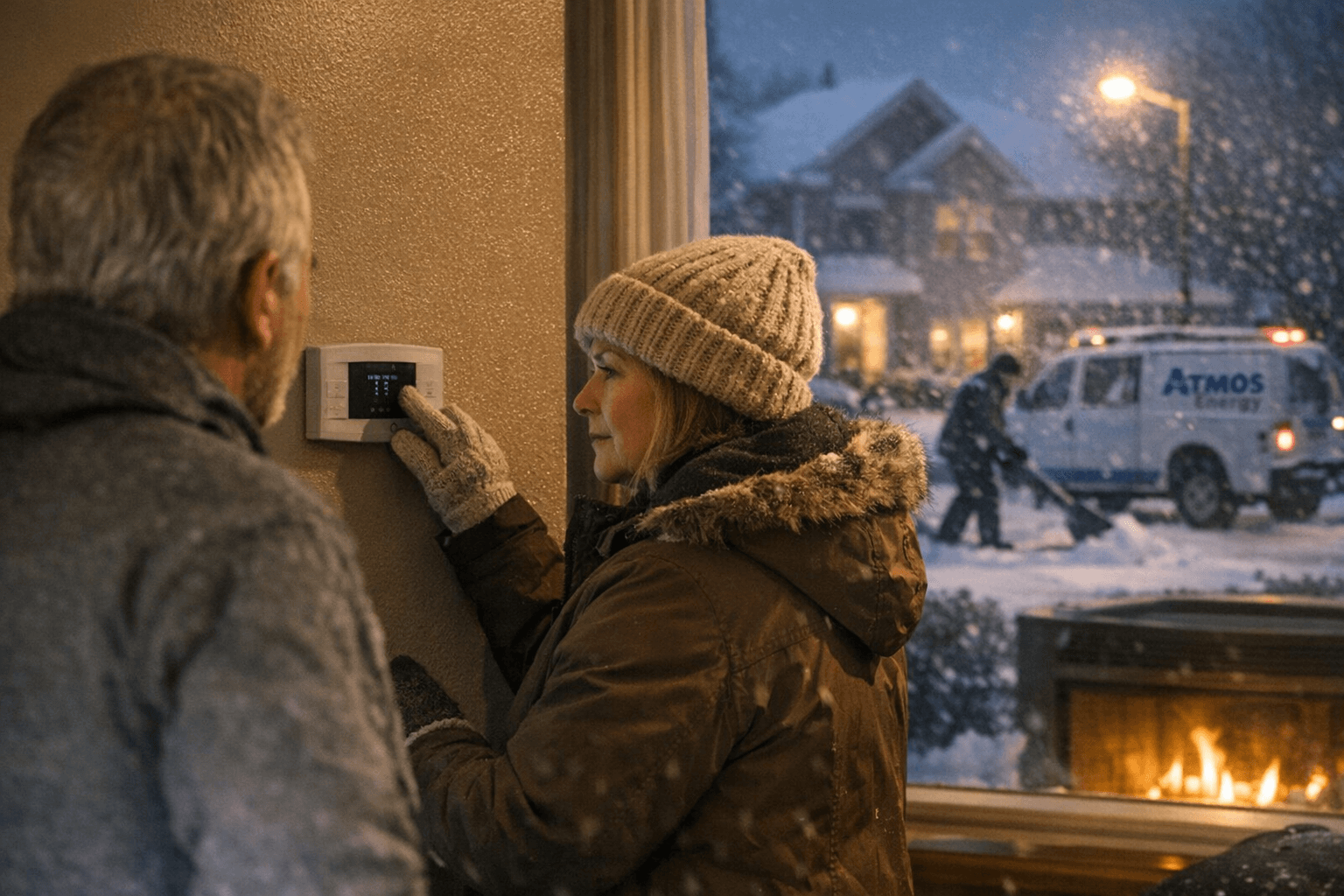
Atmos Energy warned customers that prolonged cold from Winter Storm Fern (Jan. 23–27) likely increased natural gas consumption and could push monthly bills above normal levels for Rockwall households. Atmos told customers, “Because of the prolonged cold, your natural gas usage may have increased as your heating system, water heater, fireplace, and other gas appliances worked harder to keep your home comfortable. This increased usage may result in a bill that’s higher than what you typically see.”
To help households manage higher bills, Atmos urged customers to consider its payment options. The company advised customers to “Sign up for Budget Billing so your bill is more predictable each month” and to “Enroll in an Installment Plan to spread the payment of your balance over time.” Atmos also noted it offers energy-saving tips and lists assistance resources for customers, though specific programs were not detailed in the advisory excerpt.
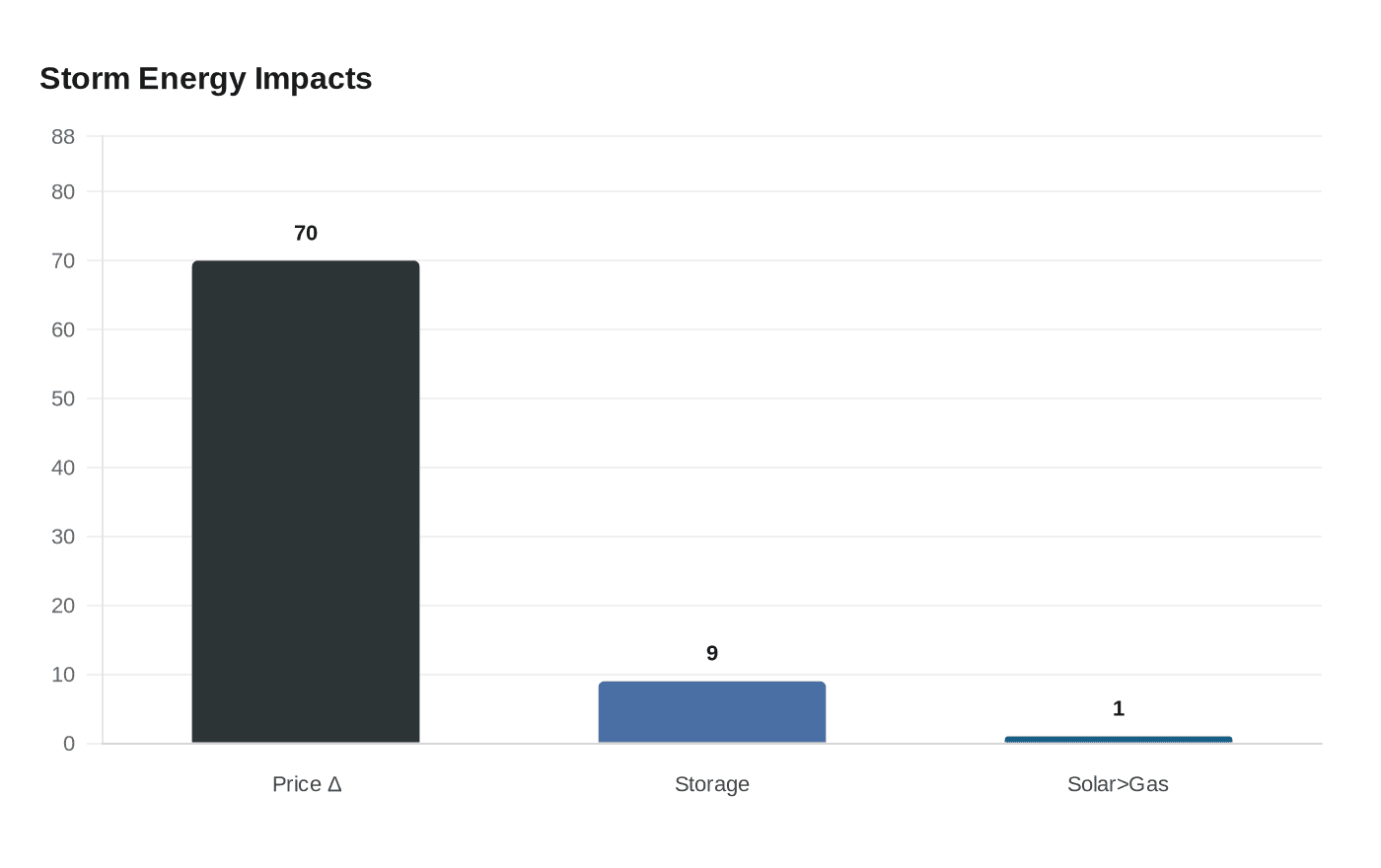
The storm was not only a local heating event. Nationally, the same cold front was forecast to affect more than 170 million Americans and send demand spiking for both home heating and power generation. CNBC reported natural gas prices “soared about 70% this week” as markets reacted to the surge in demand. Goldman Sachs analyst Samantha Dart warned the weather could hamper supply, saying, “We expect this is going to disrupt supply as well because it freezes the wells, it freezes we think more than 10% of US natural gas production.” Dart added, “We use that for heating. We use that for power generation.”
Grid operators and federal officials were on alert as well. The North American Electric Reliability Corporation cautioned that “Strong load growth from new data centers and other large industrial end users is driving higher winter electricity demand forecasts and contributing to continued risk of supply shortfalls,” a risk that can make tight winter conditions more dangerous. Secretary of Energy Chris Wright told grid operators that the Department of Energy “is ready to issue orders that would make backup power generation available to prevent blackouts.”
At the regional level, analysts noted that renewable energy and storage blunted some price volatility. Southernrenewable, citing GridStatus.io, reported that ERCOT and neighboring footprints saw higher renewable output during the storm. Southernrenewable noted ERCOT has added 41.7 GW of solar, wind, and energy storage since Winter Storm Uri in 2021, with nearly half of that capacity from solar and about one-third from energy storage. On Jan. 26, that analysis showed solar produced about 1% more than natural gas from noon to 3:00 pm ET and energy storage supplied about 9% of morning demand, with daytime wholesale prices swinging from $144/MWh at 8:00 am to -$1.99/MWh at 4:00 pm ET.
For Rockwall residents the immediate takeaways are practical: expect possible bill increases tied to Jan. 23–27 cold-weather usage, consider Atmos Energy’s Budget Billing or Installment Plan to smooth payments, and look for the company’s posted energy-saving tips and assistance options. Longer term, the storm underscores the link between extreme weather, fuel markets and grid planning as the North Texas region balances legacy generation and growing renewable and storage capacity.
Know something we missed? Have a correction or additional information?
Submit a Tip