Winter storm warning disrupted Trinidad-area commutes, raised preparedness questions
A Winter Storm Warning brought 4 to 10 inches of snow and gusty winds to parts of Las Animas County, creating hazardous travel and testing local emergency preparedness.
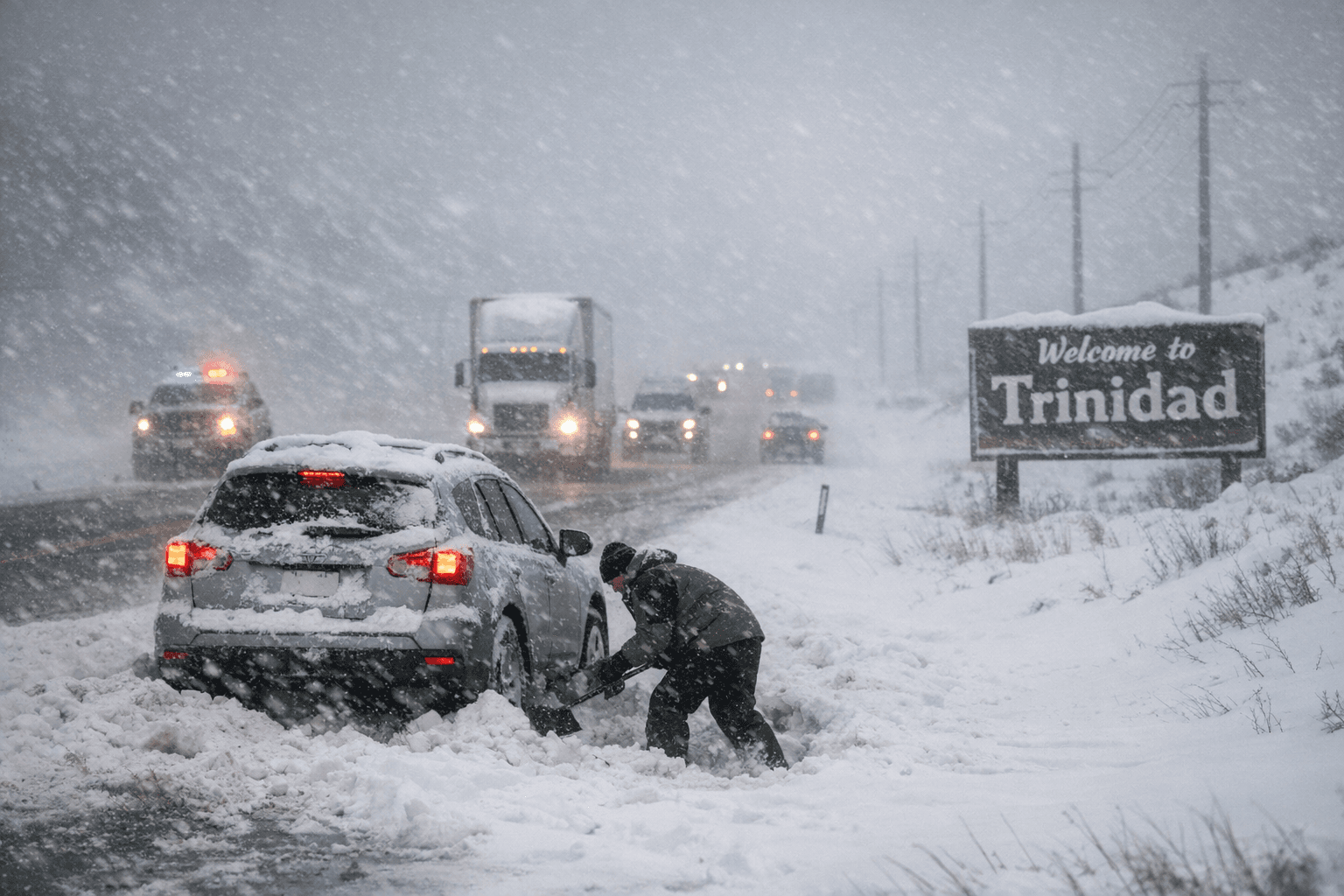
The National Weather Service in Pueblo issued a Winter Storm Warning for western and eastern portions of Las Animas County on Jan. 8, updated Jan. 9, predicting roughly 4 to 10 inches of additional snow and wind gusts up to about 40 mph through the afternoon of Jan. 9. The Trinidad vicinity was included in the warned area, and forecasters warned that travel could be very difficult with hazardous conditions for Thursday evening and the Friday morning commute.
The combination of heavy snow and gusty winds increased the risk of blowing snow and periods of low visibility across county roads. Local drivers faced slick surfaces and slower travel as crews worked to clear routes. The advisory urged residents to limit travel when possible, carry emergency supplies such as food, water and a flashlight if travel was necessary, and to check 511 for the latest road conditions.
For local institutions, the storm was a reminder of routine operational stresses. County road crews and emergency responders routinely shoulder the immediate burden of winter events, and the public guidance to use the 511 system underscores the reliance on centralized information channels during disruptions. Schools, health providers and other public-facing services must weigh safety against continuity when late-afternoon storms threaten next-morning commutes; even short-notice events can ripple through schedules and service delivery.
There are broader policy implications for county leaders. Recurrent winter events underscore the need to sustain investment in winter road maintenance, interoperable communications between county and state traffic systems, and outreach that reaches residents who rely on county roads rather than state highways. Severe weather also has civic consequences: weather-related travel barriers can suppress turnout for in-person voting and complicate staffing for county offices and emergency shelters. Officials responsible for elections and public services should factor winter contingencies into continuity plans, whether that means promoting absentee options, ensuring backup staffing, or preidentifying warming and shelter spaces.
For residents, the practical takeaways remain straightforward. If travel cannot be avoided, expect slower speeds, potential whiteout conditions where winds pick up, and plan with basic emergency supplies. Local road status updates are available through 511, which remains the quickest way to assess driveability during a winter advisory.
The takeaway? Treat winter warnings like a call to action: slow down, check 511 before you go, and have supplies on hand so you and your neighbors aren’t stranded if the weather turns. Our two cents? A little extra preparedness keeps county roads moving and community services functioning when the next storm blows through.
Sources:
Know something we missed? Have a correction or additional information?
Submit a Tip