Wipfli Survey: Retention Top Concern, Reinforcing A Simple Gesture Strategies
Wipfli survey finds 60% of nonprofit, government and education leaders name retention their top workforce challenge, signaling pressure on pay, workload and continuity for workers.

A Wipfli survey of nonprofit, government and education leaders finds talent retention is the single biggest workforce challenge heading into 2026, with 60% of respondents naming it their top concern. Organizations report that an inability to offer market-competitive salaries is a core constraint, and leaders are shifting strategy toward non-salary levers to stabilize teams and curb turnover.
The survey shows employers are doubling down on staff supports, technology that reduces administrative burden, flexible scheduling and targeted professional development. Those moves reflect a recognition that pay alone cannot close every gap for smaller organizations, and that reducing everyday friction can preserve morale and mission delivery. For frontline employees, that means changes intended to lower burnout, shorten approval cycles and protect time for program work rather than paperwork.
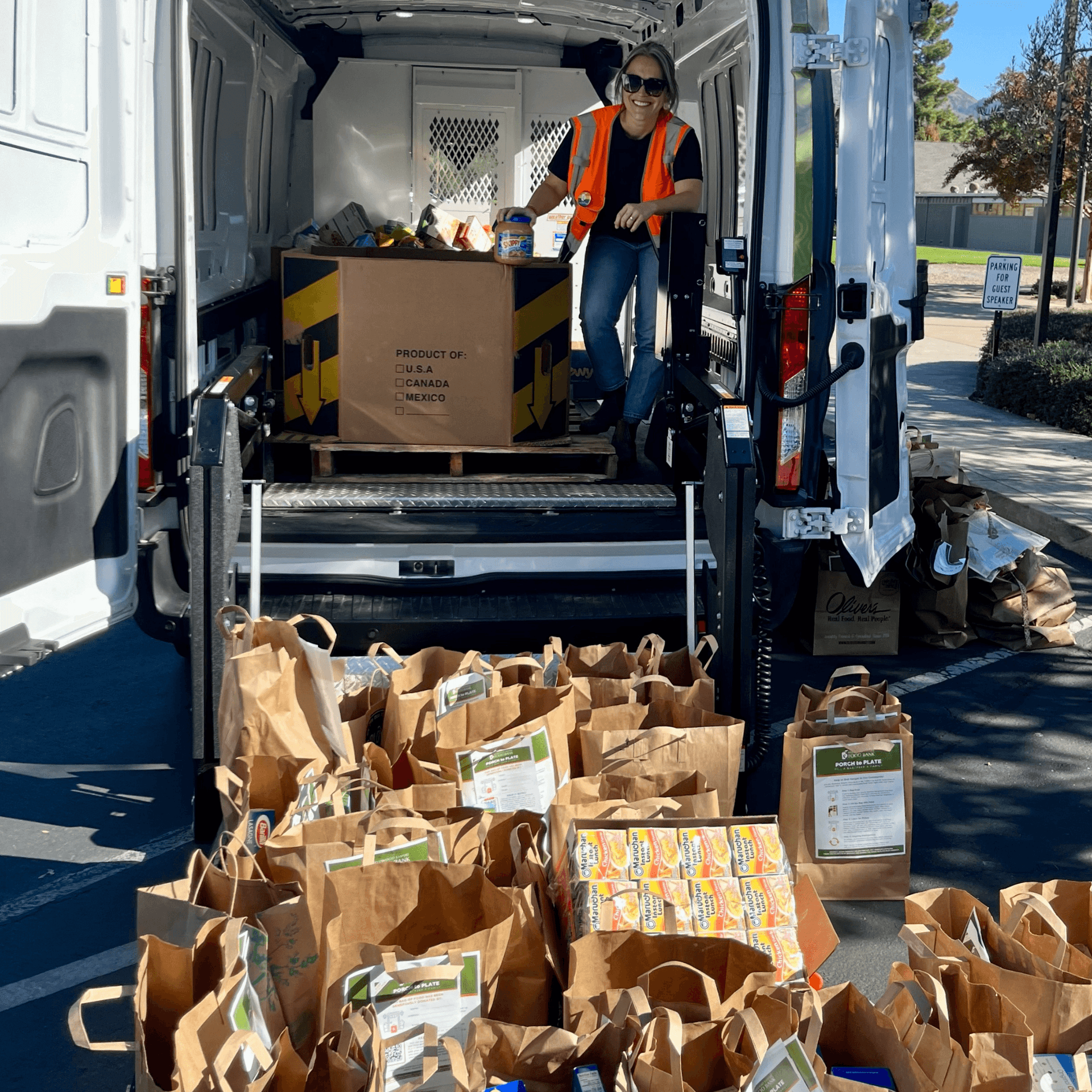
For A Simple Gesture, a small nonprofit with a lean paid staff and a large volunteer corps, the survey’s findings validate current approaches and suggest areas to deepen investment. Non-salary benefits such as enhanced staff supports and flexible work arrangements align with the organization’s reliance on a mix of paid and volunteer labor. Role redesign and cross-training can preserve institutional knowledge when one or two core staff leave, and targeted professional development helps retain employees by improving career pathways without large compensation increases.
The practical effects on workplace dynamics are concrete. When organizations adopt technology to automate routine administration, staff can shift hours from data entry and scheduling to direct service and volunteer coordination. Flexible scheduling helps employees balance patchwork caregiving or second jobs while maintaining continuity for participants. Targeted training reduces single-person dependencies and smooths transitions between staff and volunteers, lowering service interruptions for program beneficiaries.
Leaders must balance trade-offs: investing in software subscriptions or training budgets competes with program dollars, and flexible schedules require new coordination rhythms for small teams. But the survey suggests those trade-offs are increasingly acceptable compared with the costs of turnover, which include recruitment expenses, lost relationships and gaps in service delivery.
For A Simple Gesture and similar organizations, the next steps are pragmatic: prioritize low-cost staff supports, pilot administrative automation to free frontline time, expand flexible scheduling policies, and define clear professional development pathways tied to core roles. Tracking retention metrics and exit reasons will help target interventions. If the sector embraces these adjustments, small organizations can protect mission continuity and make their limited pay scales more sustainable by improving the everyday work experience.
Know something we missed? Have a correction or additional information?
Submit a Tip