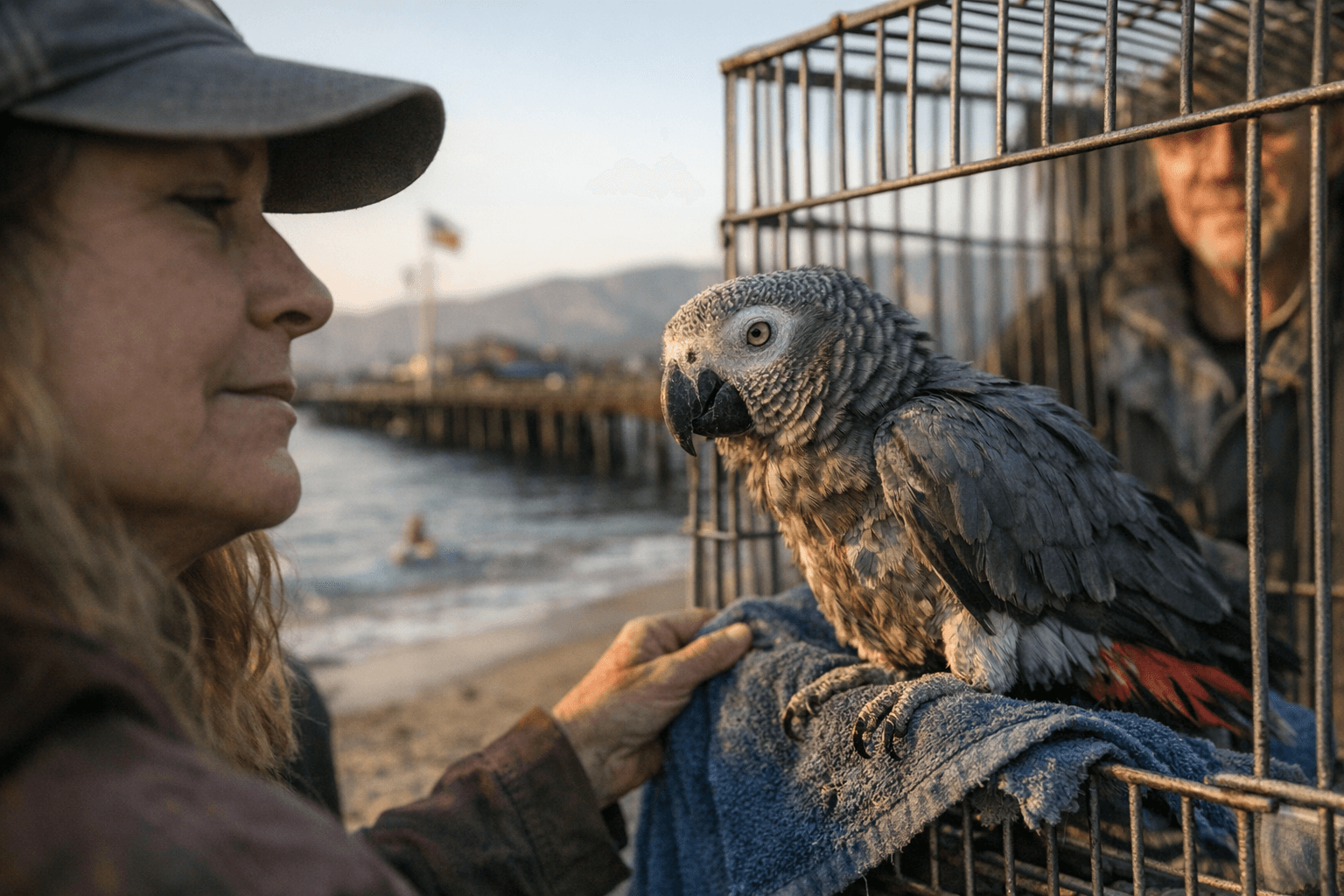
Wisconsin Bird Owners Urged to Follow Guidance After Bird Flu Detections
DATCP confirmed HPAI in a Dane County backyard flock of 55 birds in Edgerton; state and federal officials quarantined the premises and euthanized the flock while urging owners to follow biosecurity rules.
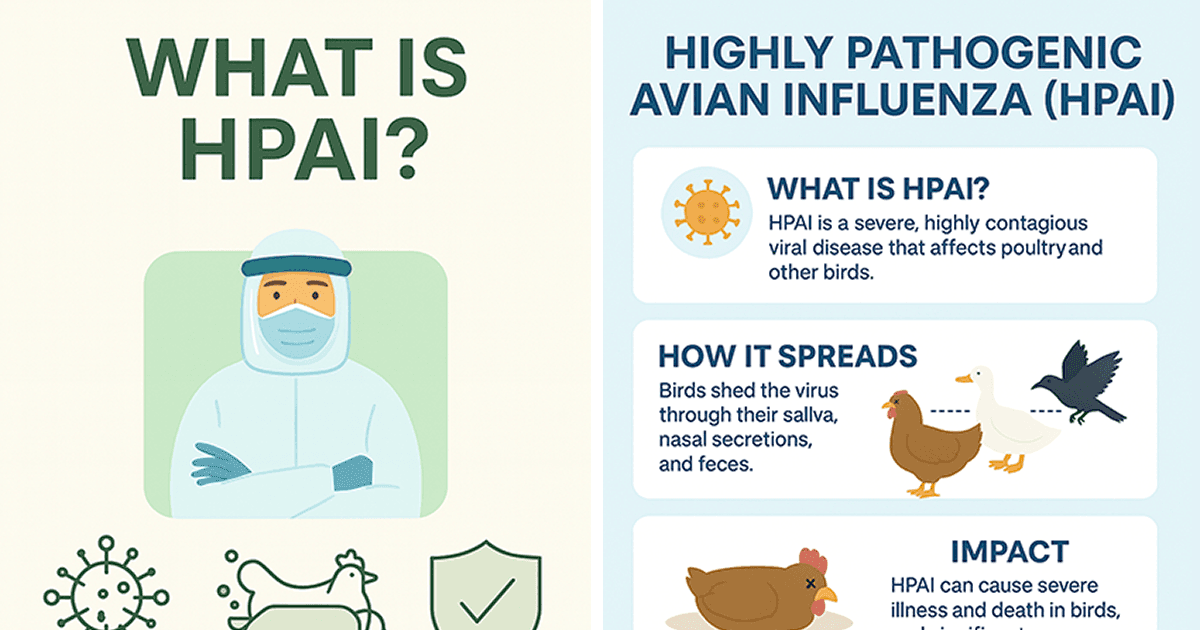
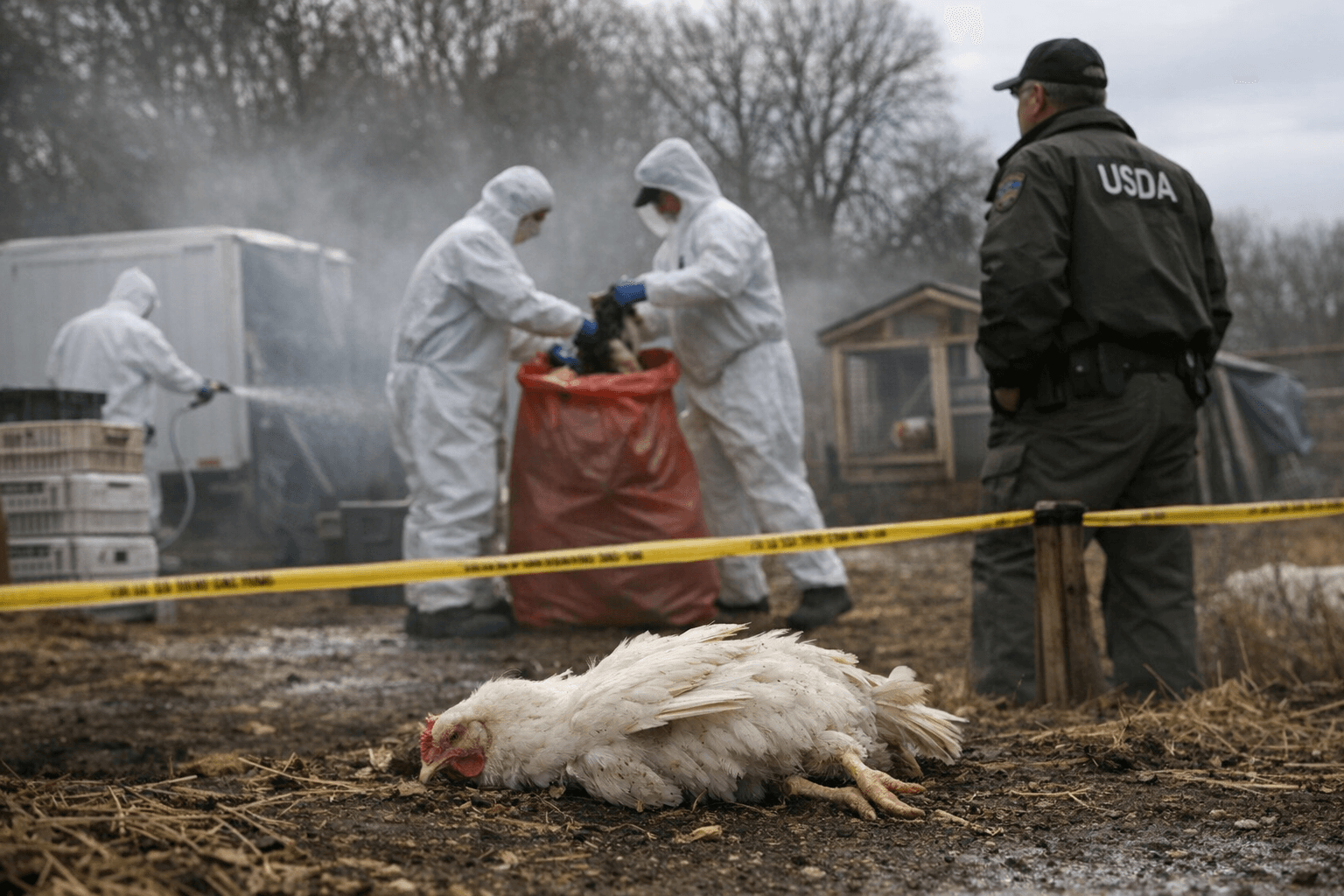
A backyard poultry flock of 55 assorted birds in Edgerton, Dane County, was confirmed positive for highly pathogenic avian influenza and "were all euthanized," DATCP Communications Director Sam Go said after a March 2 news release. The Wisconsin Department of Agriculture, Trade and Consumer Protection said the affected premises is quarantined while state and U.S. Department of Agriculture animal health officials conduct a joint incident response.
The confirmation in Dane County comes as Wisconsin State Farmer published a practical explainer on March 3, 2026 synthesizing DATCP notices and urging hobbyists to tighten biosecurity. WisFarmer reported that nationally, in the last 30 days bird flu has been confirmed in 33 commercial flocks and 25 backyard flocks, impacting 8.14 million birds. DATCP materials quoted in regional coverage note that the H5N1 HPAI virus "has continued to circulate in both wild and domestic birds in North America since December 2021."
Wisconsin has seen a range of recent detections. Hngnews cited a DATCP case table showing a Jefferson County commercial operation confirmed on Feb. 26 with more than 1.2 million birds depopulated. WisFarmer noted a Dodge County dairy herd case on Dec. 13, 2025 described as the state's first and only dairy herd detection. The Center Square and syndicated outlets reminded readers that last year outbreaks in Jefferson County led to culling of more than 3 million birds, and that in 2024 four cases forced the culling of over 54,000 birds.
DATCP reiterated the response protocol in syndicated agency language: "DATCP and the U.S. Department of Agriculture animal health officials are working together in a joint incident response. The affected premises has been quarantined to restrict movement of poultry and poultry products. Birds on the property will be depopulated to prevent the spread of the disease. Birds from the flock will not enter the food system." Local and state public-health agencies are monitoring exposed farm workers, and WisFarmer summarized the Wisconsin Department of Health Services and Jefferson County Public Health surveillance actions.
Practical steps are spelled out by conservation groups and agency programs. The Southern Wisconsin Bird Alliance and Cornell Lab guidance, cited in a Swibirds republished post, advise washing hands thoroughly after contact with birds, disinfecting equipment, restricting access to animals, and separating new additions to a flock for at least 30 days. Swibirds specifies disinfectants that inactivate flu viruses including detergents, a 10 percent bleach solution made by mixing one part bleach with nine parts water, and alcohol. Hunters should sanitize tools and surfaces; cook wild and domestic bird meat to 165 degrees Fahrenheit; and keep domestic cats indoors to reduce transmission risk.
Wisconsin livestock owners are reminded to register their premises under state law so animal health officials can communicate during outbreaks, a point emphasized in the WisFarmer explainer. For regional birding and small-flock questions, the Southern Wisconsin Bird Alliance lists a Madison office at 211 S. Paterson St. #340, Madison, WI 53703, phone (608) 255-2473, email info@swibirds.org.
With H5N1 continuing to circulate, DATCP, USDA, CDC and local public-health agencies say the public health risk remains low but owners must act: quarantines and depopulation operations will continue where infections are found, and state and federal case tables will be updated as new confirmations arrive.
Know something we missed? Have a correction or additional information?
Submit a Tip