WNBA Draft 2026: Azzi Fudd, Lauren Betts head star-studded class
Azzi Fudd and Lauren Betts headline a draft that could redefine the WNBA’s expansion era, TV draw, and balance of power in one night.
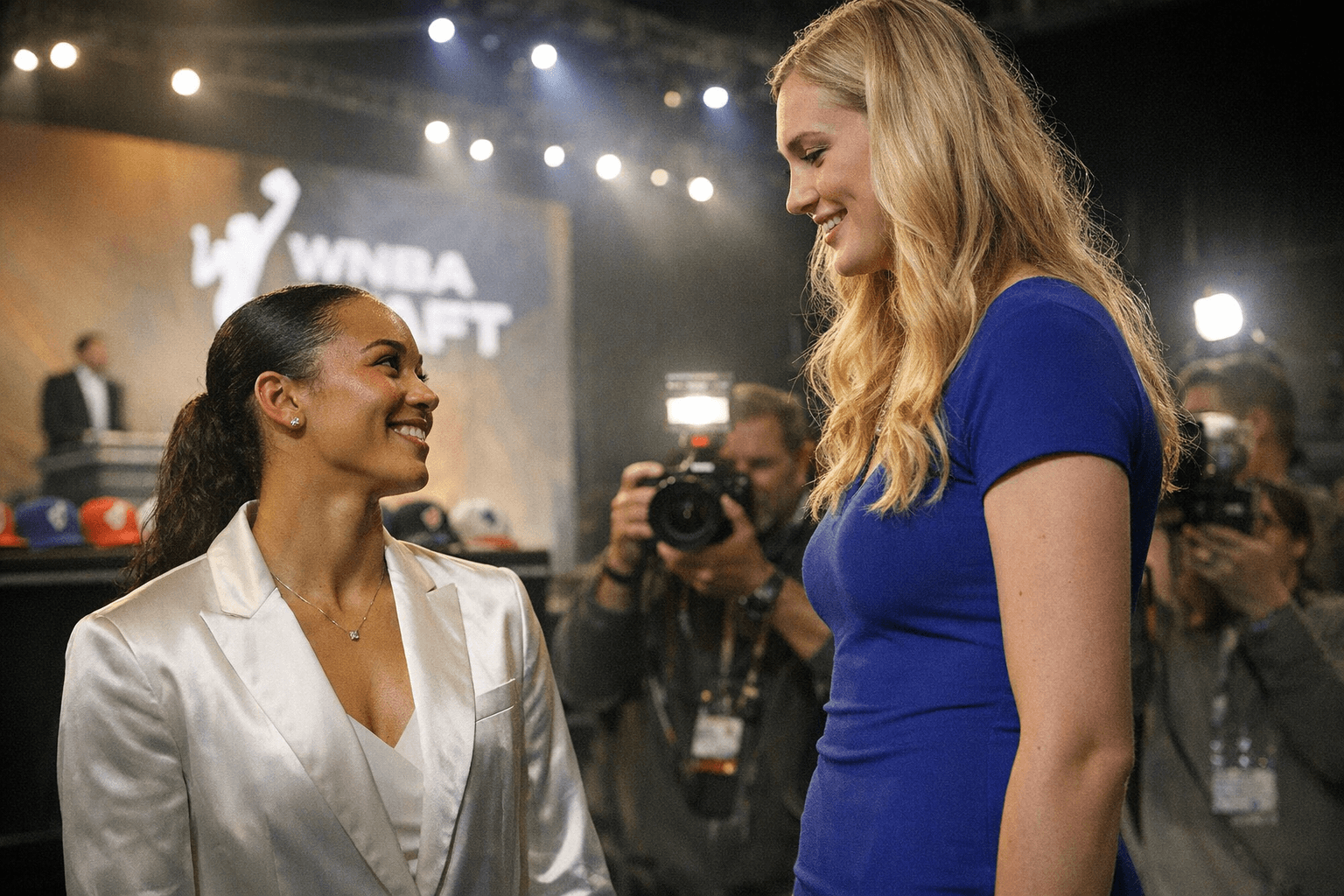
A draft built for the league’s next step
Azzi Fudd and Lauren Betts arrive in New York as the faces of a draft that could shape the WNBA’s next few seasons, not just its next few rookies. The 2026 WNBA Draft is set for Monday, April 13, at The Shed at Hudson Yards, with exclusive ESPN coverage beginning at 7 p.m. ET and Commissioner Cathy Engelbert announcing the picks live.
The league invited 15 prospects to attend in person, and the room is built around a class that blends star power with clear team-building consequences. UConn guard Azzi Fudd, UCLA center Lauren Betts, Spain National Team center Awa Fam Thiam, and TCU guard Olivia Miles sit at the center of the conversation because this draft is about much more than where the first name lands. It is about how the league absorbs fresh talent, sells the moment to a bigger audience, and distributes difference-makers across a rapidly changing landscape.
The headliners driving the conversation
Fudd returns to the top of the board in ESPN’s latest mock draft, and that alone says plenty about how fluid the race for No. 1 remains. Her profile carries the kind of recognition that helps a draft break through beyond core women’s basketball fans, especially when paired with the broader appeal of Betts, Miles, and Fam Thiam.
Betts brings a different kind of certainty. She led UCLA to the national championship, earned Most Outstanding Player honors in the NCAA Tournament, and was named Big Ten Player of the Year while averaging 17.1 points and 8.8 rebounds. That combination of production, size, and postseason authority makes her one of the most complete prospects in the class and gives the draft a front-line anchor as it opens a new chapter.
Miles and Fam Thiam keep the top end of the class from narrowing into a one-player story. Miles gives teams a proven guard option with national visibility, while Fam Thiam adds international intrigue and the kind of frontcourt upside that can alter a franchise’s long-term plan. In a draft this layered, the real story is not whether there is only one answer at the top, but how many different kinds of star power are available in the same room.
Why expansion changes everything
The 2026 draft is taking place with expansion already built into the first round. Toronto Tempo hold the No. 6 pick and Portland Fire hold No. 7, giving both new franchises an immediate chance to start shaping identity, style, and fan connection. That matters because expansion teams do not just need talent, they need recognizable talent that can help establish credibility from day one.
This is where the draft’s economics become impossible to ignore. It is a three-round event, and WNBA rules make collegiate players who turn 22 in 2025 eligible to renounce their remaining NCAA eligibility and enter the draft. In practical terms, that means teams are evaluating not only upside, but readiness, contract value, and how quickly a player can justify a roster spot in a league where every seat matters.
For Toronto and Portland, the early picks are not only about picking the best player available. They are about building a foundation that can survive the jump into a new market, where every draft decision carries public meaning. A strong first round can speed up expansion, but a misread can slow a franchise’s momentum before it even settles in.
UCLA’s historic footprint
One of the most striking subplots belongs to UCLA, where ESPN says history could be made because the school could become the first to have six players drafted in a single WNBA draft. That possibility reflects not just one breakthrough season, but a larger pipeline from a national championship roster into the pro game.
Betts is the face of that pipeline. UCLA’s championship run and her individual awards have turned her into the draft’s most visible frontcourt name, and the school’s broader presence underscores how elite college programs now function as direct engines for the WNBA. When one program can send this many players into the same draft, it signals that the next wave of pro talent is being concentrated at the top of the college game before it ever reaches a league roster.
That matters for the WNBA’s competitive balance. When several drafted players come from the same powerhouse, contenders can sharpen their scouting on familiar systems, while rebuilding teams have to decide whether they want polished production or more developmental upside. The ripple effect is bigger than one school and bigger than one night.
What recent No. 1 picks tell the league
The top of the draft has already delivered major names in recent years. The WNBA’s draft history shows Paige Bueckers going No. 1 in 2025, Caitlin Clark in 2024, Aliyah Boston in 2023, Rhyne Howard in 2022, and Charli Collier in 2021. That run has helped define a stretch in which the league’s most visible young talent often arrives with immediate expectations and immediate attention.
This history frames the stakes for 2026. A No. 1 pick now arrives with more than promise, because recent top selections have been marketed as franchise shapers and league draw-makers from the start. Whether the first name called is Fudd, Betts, or another player in the top tier, the selection will be read as part of the league’s larger effort to turn elite prospects into national assets.
That is why this draft feels like a hinge point. It is not only a talent showcase, it is a test of how the WNBA manages growth: expanding markets, live TV attention, tighter roster economics, and a balance of power that can shift quickly when the right player lands in the right place. The night in New York should reveal more than a draft order. It should reveal how the league intends to grow into its next era.
This article was produced by Prism’s automated news system from verified source data, official records, and press releases, then run through automated quality and moderation checks before publishing. The system is built and supervised by the people who set the standards it runs under. Read our full AI policy.
Did this article answer your question?
.jpg&w=1920&q=75)