Woman Calls for Law Change to Strip Abusive Parents' Rights
Kelly Higgins says her jailed mother still held rights over her after Suzanne Capper’s murder, and she wants the law changed to end that.

Kelly Higgins was sent to foster parents after her birth mother, Bernadette McNeilly, was jailed for her role in one of Greater Manchester’s most brutal child murders, yet McNeilly still kept some rights over her daughter’s life. Higgins, now 40, says that should never happen in cases of extreme violence.
McNeilly was jailed in 1993 for her part in the torture and murder of Suzanne Capper, who was 16 when she died on 18 December 1992. Capper had been held captive and tortured for about a week in Moston, Manchester, before she was driven to woodland near Stockport, doused in petrol and set on fire. The case went to a 22-day trial in 1993, and McNeilly was sentenced to life imprisonment on 17 December 1993.
Even after that conviction, McNeilly retained some rights to see her children and make decisions about their lives. For Higgins, that reality has become the sharpest part of the story. Her public comments this year have described growing up in a violent, controlling environment, and they have pushed a painful question back into view: how can parental rights survive after a parent has been convicted of torture and murder?
The tension is not only moral but legal. A 2019 joint committee report in Parliament said a child’s visits to a mother in prison should be based on the child’s right to respect for family life, and that restrictions should be imposed only in the most exceptional circumstances. Higgins’s case exposes the limits of that framework when a child has already been removed from danger and the parent’s crimes have destroyed any safe notion of family life.
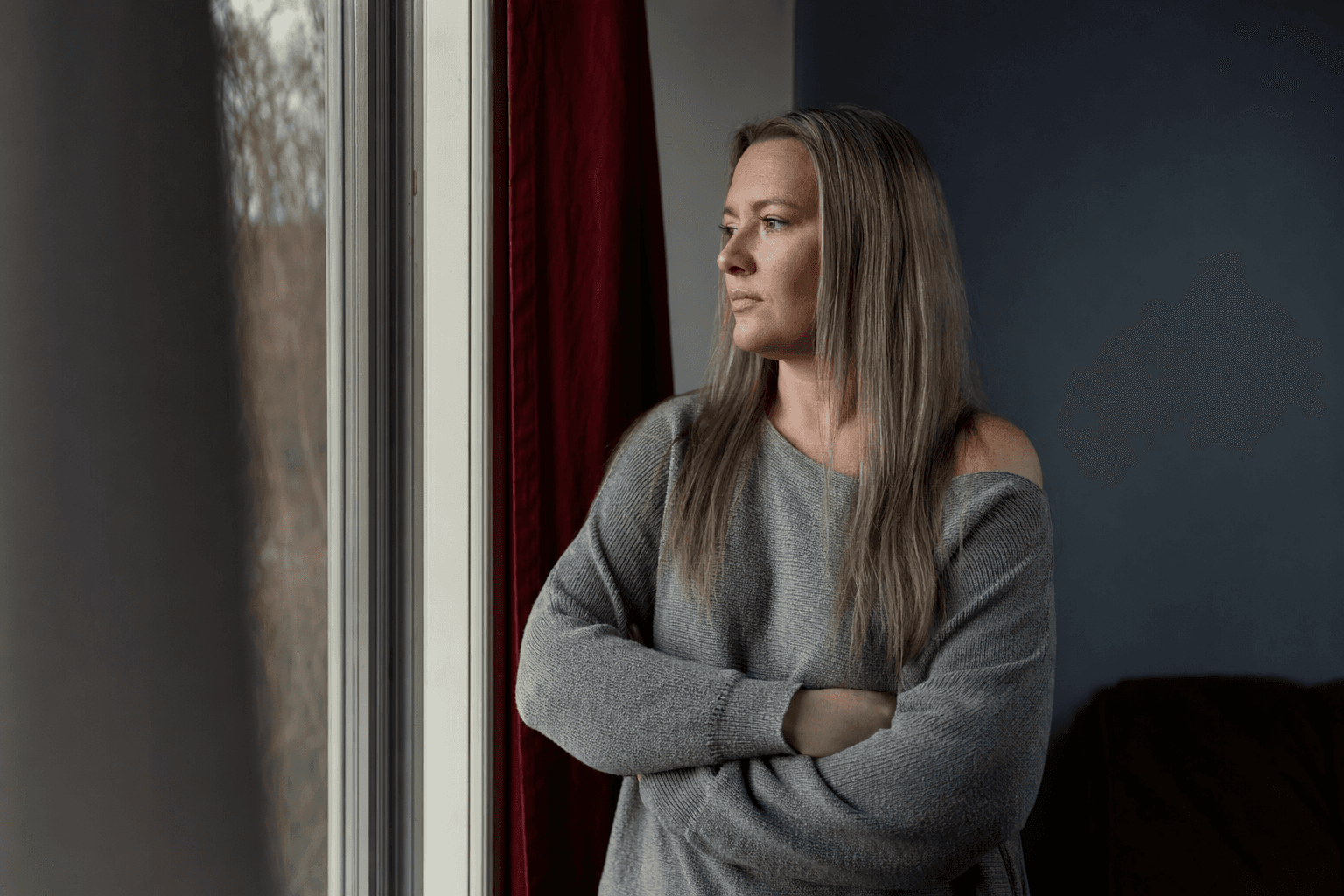
The Ministry of Justice says protecting children is its absolute priority, but Higgins’s experience suggests the law still leaves room for retraumatizing contact orders and lingering decision-making power in the hands of abusive parents. Suzanne Capper’s murder was so shocking that it was later overshadowed in public memory by the Bulger trial, yet the pain in Higgins’s life shows how long the consequences last after the sentence is handed down.
Her call for reform lands at the center of a broader child-welfare failure: a system that can remove a child from home, but still leave the convicted abuser with a legal foothold. Higgins’s case now stands as a warning that in the most extreme crimes, protecting children requires more than prison bars.
This article was produced by Prism’s automated news system from verified source data, official records, and press releases, then run through automated quality and moderation checks before publishing. The system is built and supervised by the people who set the standards it runs under. Read our full AI policy.
Did this article answer your question?

