Woman says reporting Met officer was more distressing than abuse
Lorraine says she took a payout from the Met, but the fight to be believed was worse than the abuse itself after Phil Hunter groomed her and the complaints process dragged on for years.
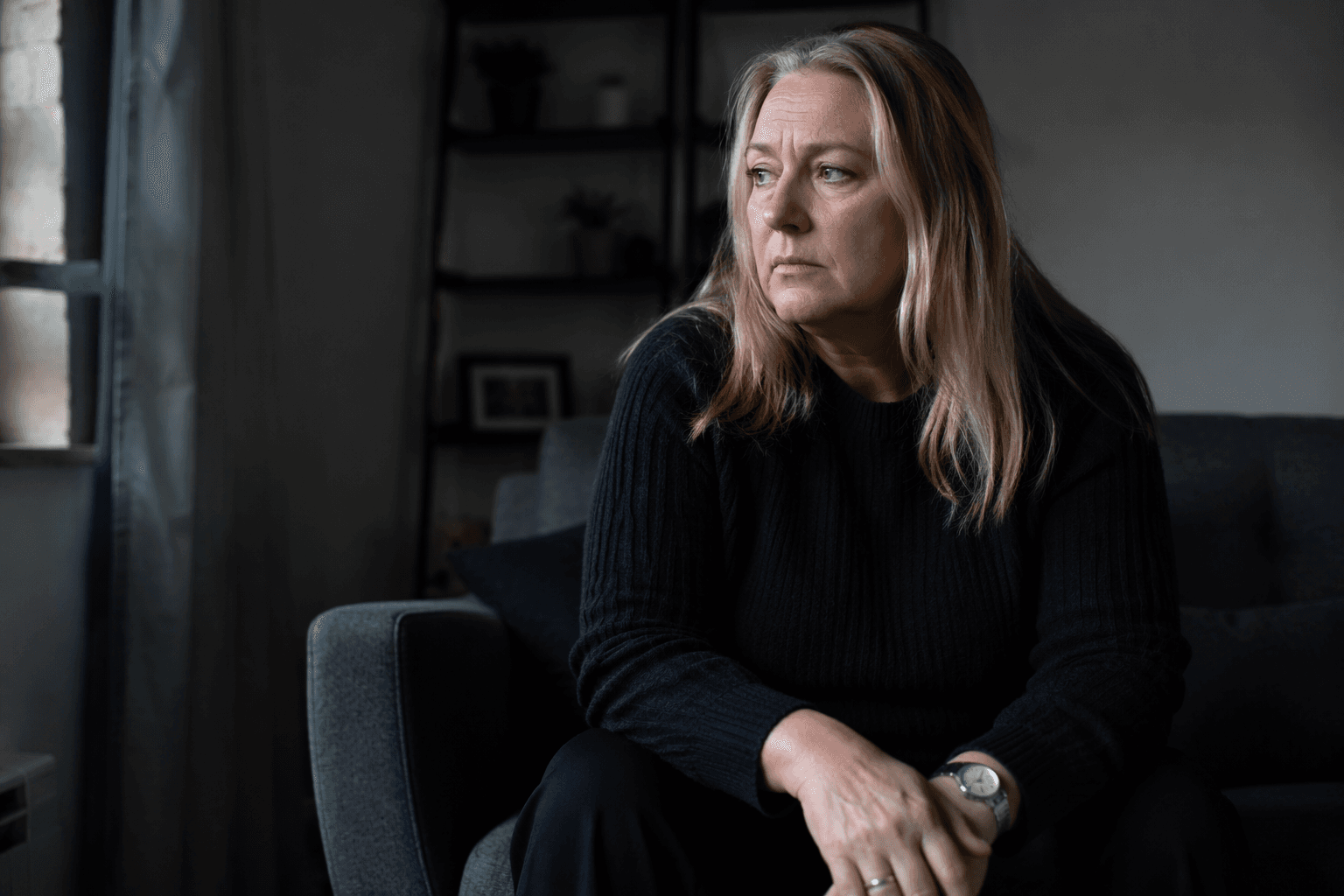
Lorraine says the Metropolitan Police’s response to her complaint caused more harm than the officer she accused. She first came into contact with the force in 2017, when former PC Phil Hunter made a welfare visit to her home, and later said he groomed her rather than protecting her.
Her case exposed a slow and damaging complaints process. Lorraine said she made numerous attempts over about 18 months before the Met finally opened an investigation, with her case passing through the Met Police Directorate of Professional Standards before it moved forward. In a letter dated 20 March 2025, the force apologised for a series of failings spanning seven years and admitted her complaints were not properly recorded or given the weight they should have been.

The same letter said false assumptions about Lorraine’s mental health had affected how her complaint was handled, and it acknowledged that victim-blaming had occurred. Hunter was later found guilty of gross misconduct in August 2024, when a disciplinary panel concluded he had pursued inappropriate relationships with vulnerable women and used his position for sexual gain. Lorraine received a substantial financial settlement from the Met in March 2025, but said the process of trying to be believed left her regretting that she reported him at all.
The case has become another marker of the Met’s wider problems with how it handles allegations of sexual misconduct by officers. Hunter worked in the Met’s Diplomatic Protection unit, the same unit that employed Wayne Couzens, adding to scrutiny of policing culture in London and the United Kingdom more broadly. Lorraine’s experience has also been cited alongside the concerns about victim-blaming and institutional misogyny raised in the Baroness Casey review, with the force still under pressure to show that complaint systems can protect victims in practice rather than deter them through the cost of making a report.
This article was produced by Prism’s automated news system from verified source data, official records, and press releases, then run through automated quality and moderation checks before publishing. The system is built and supervised by the people who set the standards it runs under. Read our full AI policy.
Did this article answer your question?