Women face steep costs as egg freezing demand surges
Egg-freezing cycles have more than sextupled since 2014, but women can still face a $12,000 to $15,000 bill before storage and later fertilization.

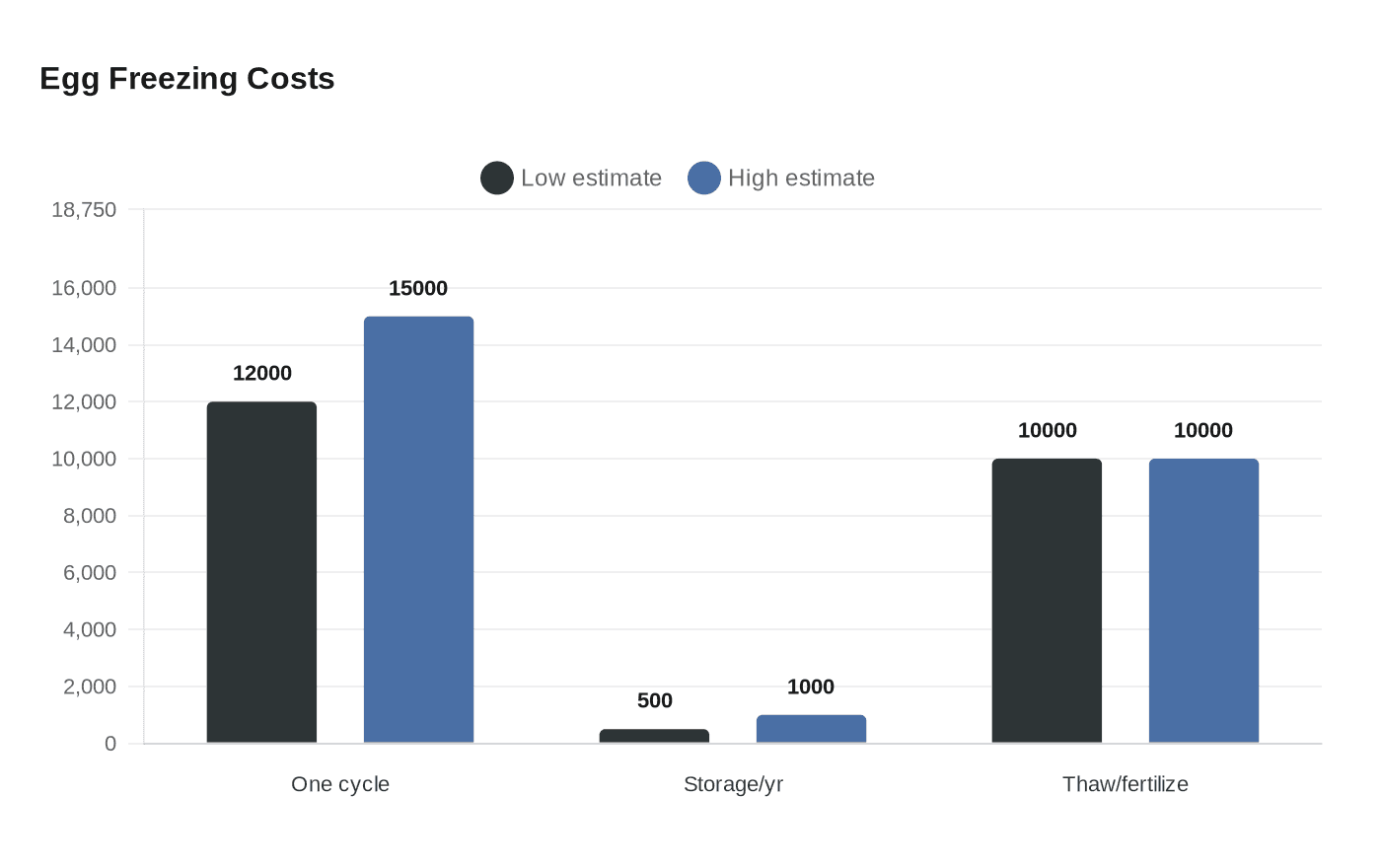
The demand for egg freezing has surged, but the price of buying time has not come down with it. A single cycle, including medication, averages $12,000 to $15,000, with another $500 to $1,000 a year for storage and about $10,000 more later to thaw and fertilize the eggs.
Those costs help explain why access to egg freezing remains sharply unequal. Jennifer Lannon, co-founder of Freeze.Health, a site that compares fertility clinic prices, has warned that the headline price for one cycle understates the real bill. CBS Chicago reported in 2023 that the U.S. median cost for one cycle was about $12,500, while no states required coverage for elective egg freezing.

The gap between demand and coverage is widening. CBS News reported that egg-freezing procedures climbed from 6,000 in 2014 to more than 39,000 in 2023, a more than sixfold increase in less than a decade. The practice only became an accepted medical option about 12 years ago, and improvements in lab methods, including vitrification, have made it more effective than earlier techniques.
The American Society for Reproductive Medicine says planned oocyte cryopreservation is ethically permissible, but it also says patients must be informed about the uncertainties in efficacy, costs, benefits, risks and long-term effects. The society says clinics should disclose their own success statistics or acknowledge when they do not have them. It also notes that the first human birth from a previously frozen oocyte occurred in 1986, underscoring how recent this technology still is.
Insurance rules remain a patchwork. RESOLVE: The National Infertility Association says 25 states have infertility laws, 15 states have IVF mandates and 21 states have fertility preservation mandates. But self-insured employer plans are exempt from state infertility coverage laws, leaving many workers outside the reach of state protections. RESOLVE also lists Medicaid coverage for fertility preservation in Illinois, Maryland, Montana, Oklahoma and Utah.
That leaves many women paying out of pocket for a procedure that can run far beyond the first retrieval. The economics of egg freezing are not just about whether a patient can afford one cycle. They are about whether she can afford the medications, the annual storage, and the later IVF costs that often arrive years after the eggs are frozen.
This article was produced by Prism’s automated news system from verified source data, official records, and press releases, then run through automated quality and moderation checks before publishing. The system is built and supervised by the people who set the standards it runs under. Read our full AI policy.
Did this article answer your question?