Workplace Oral Health Matters More Than You Think, and Raise Negotiations Need Context
Office brushing can be a health habit, not a vanity quirk, but shared-space etiquette still matters. The same workplace logic applies to raises: a no should come with context and a next step.

When oral health becomes an office issue
The most practical workplace hygiene debate is not really about manners. It is about whether a routine that protects teeth, speech, and daily comfort should be treated as normal behavior in shared spaces, or as a social breach that employees are left to negotiate quietly.
The public-health case is straightforward. The Centers for Disease Control and Prevention says oral diseases cause pain and disability for millions of Americans and cost taxpayers billions of dollars each year. The National Institute of Dental and Craniofacial Research adds that good oral hygiene helps people speak clearly, chew and swallow, smile, and may help them keep their teeth for life. That turns a post-lunch brushing habit into more than a personal preference: it is part of basic health maintenance.
Why office brushing persists
Workplace routines shape health behavior as much as individual discipline does. Guidance from oral-health organizations and employer-benefits sites says brushing after lunch at work can fit into a healthy routine, especially when people spend long stretches away from home and eat multiple times during the day. The point is not to turn every desk into a bathroom mirror, but to recognize that work schedules often force hygiene decisions into the middle of the day.
The behavior itself is not new. An Oral-B survey commissioned with the Academy of General Dentistry and conducted in April 1997 surveyed 1,023 full-time employed adults, and later dental content has cited it as evidence that office brushing was already a workplace habit decades ago. Another later write-up said a recent Oral-B survey found only 14% brushed and flossed at the office regularly, while three-quarters said they ate twice or more a day at work. That gap matters: people are eating at work far more often than they are cleaning up afterward, which is exactly why the etiquette question keeps resurfacing.
Healthy habit, awkward setting
This is where culture enters the frame. A dental-office etiquette guide notes that brushing in a restroom is recognizable enough to warrant etiquette advice, even if it can still feel socially awkward. That tension explains why the act can seem invisible to one employee and deeply noticeable to another. In shared workplaces, the question is rarely whether brushing is medically reasonable. It is whether the timing, location, and noise respect the people around it.
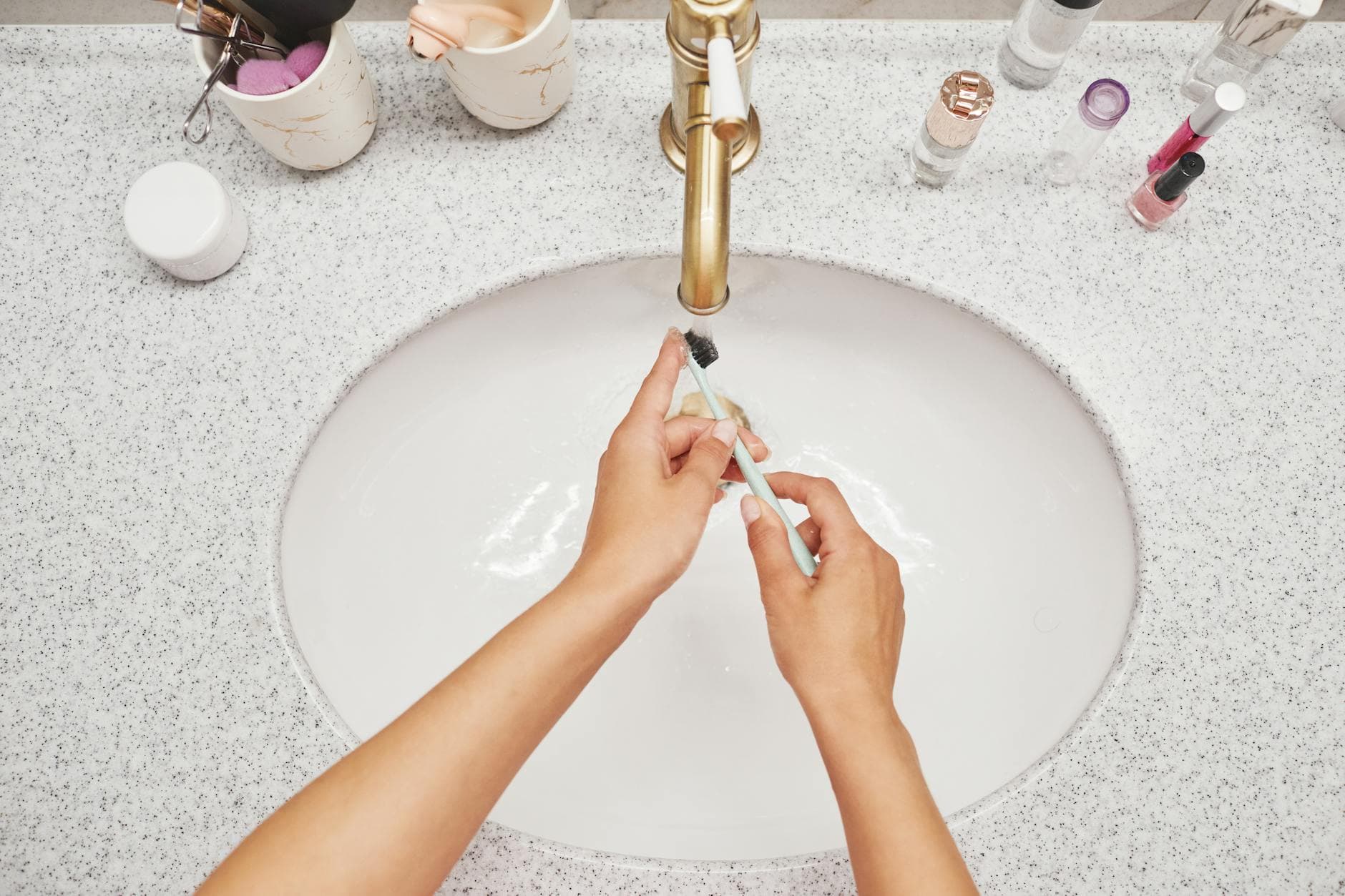
A sensible office culture does not pretend those frictions are imaginary. Instead, it makes room for habits that support health while keeping courtesy intact. Brushing after lunch is easier to normalize when employers treat oral health the way they treat handwashing or vaccination reminders: as part of a healthy workplace, not a personal oddity to be whispered about.
What employers can do
The best workplace oral-health programs do not rely on awkward one-off reminders. The Dental Health Foundation says workplace oral-health programmes can include awareness and education, workshops or lunch-and-learns, and educational resources such as posters in washrooms. United Concordia similarly says a simple workplace oral hygiene routine can help employees keep their teeth for a lifetime. That is a useful institutional message: employers can shape norms without policing them.
- short sessions led by qualified dental or health professionals
- washroom posters that explain basic oral-care routines
- clear guidance that brushing after lunch is acceptable when done considerately
- reminders that shared spaces deserve cleanup and discretion
A practical program does not need to be elaborate. It can include:
Those small steps matter because they convert a potentially awkward habit into a defined norm. Employees are less likely to feel self-conscious when the workplace has already made clear that oral health is part of overall wellness.
The etiquette line is about respect, not shame
The healthiest office culture draws a line between courtesy and embarrassment. Brushing in a restroom may be normal, but it is still a shared-space act, and the social discomfort it can create is real. The solution is not to shame people for trying to protect their teeth. It is to make sure the habit does not spill into the wrong setting or impose on colleagues who share sinks, mirrors, and tight bathroom space.
That balance is especially important because oral health is cumulative. The NIDCR’s message is not that perfect habits are required, but that consistent care protects the ability to speak, chew, swallow, smile, and keep teeth for life. When a workplace recognizes that, the conversation shifts from “Is this strange?” to “How do we make healthy routines workable for everyone?”

Why a rejected raise deserves the same kind of context
The etiquette lesson extends beyond bathrooms. Salary conversations also happen in shared institutions, and the worst version of a raise denial is the blunt no that offers no explanation, no path forward, and no respect for the person who asked. HR guidance commonly recommends listening to the employee’s case, explaining the decision, and setting a follow-up plan. That approach treats compensation as a managed process rather than a verdict.
Forbes framed a rejected raise as potentially the start of a negotiation rather than the end of one, which is the right institutional lens. A no can mean budget limits, company performance, or concerns about the employee’s current performance. But if those reasons are left vague, the denial becomes personal instead of procedural. Workers deserve clarity on whether the barrier is timing, finances, or performance, and what would need to change for the answer to become yes.
How a workplace should handle the no
The most responsible approach is the one that preserves dignity and creates a path forward. A manager who cannot approve a raise should say why, state the relevant constraint, and schedule a follow-up conversation. If the issue is budget, the employee should know when budget cycles reopen. If the issue is performance, the employee should know what measurable improvement is expected. If the company itself is under strain, the decision should be stated plainly rather than wrapped in evasive language.
That matters because employees do not hear a raise denial as an abstract policy exercise. They hear it as a judgment on their value. Clear, private, and specific communication is the difference between an administrative decision and avoidable resentment. The same principle applies to oral health norms in the office: institutions reduce friction when they explain the rule, give people a framework, and make the expected behavior feel legitimate instead of improvised.
The larger lesson is simple. Workplace culture is built in the small, repeated moments: a brush after lunch, a poster in the washroom, a manager explaining a no with a plan attached. When institutions handle those moments with clarity, they protect both health and trust.
This article was produced by Prism’s automated news system from verified source data, official records, and press releases, then run through automated quality and moderation checks before publishing. The system is built and supervised by the people who set the standards it runs under. Read our full AI policy.
Did this article answer your question?