Workshop primer: essential first steps for Warhammer 40k hobbyists
A clear step-by-step workshop primer that walks you through unboxing, assembly, basing, priming, and first paint layers to get models tabletop-ready.
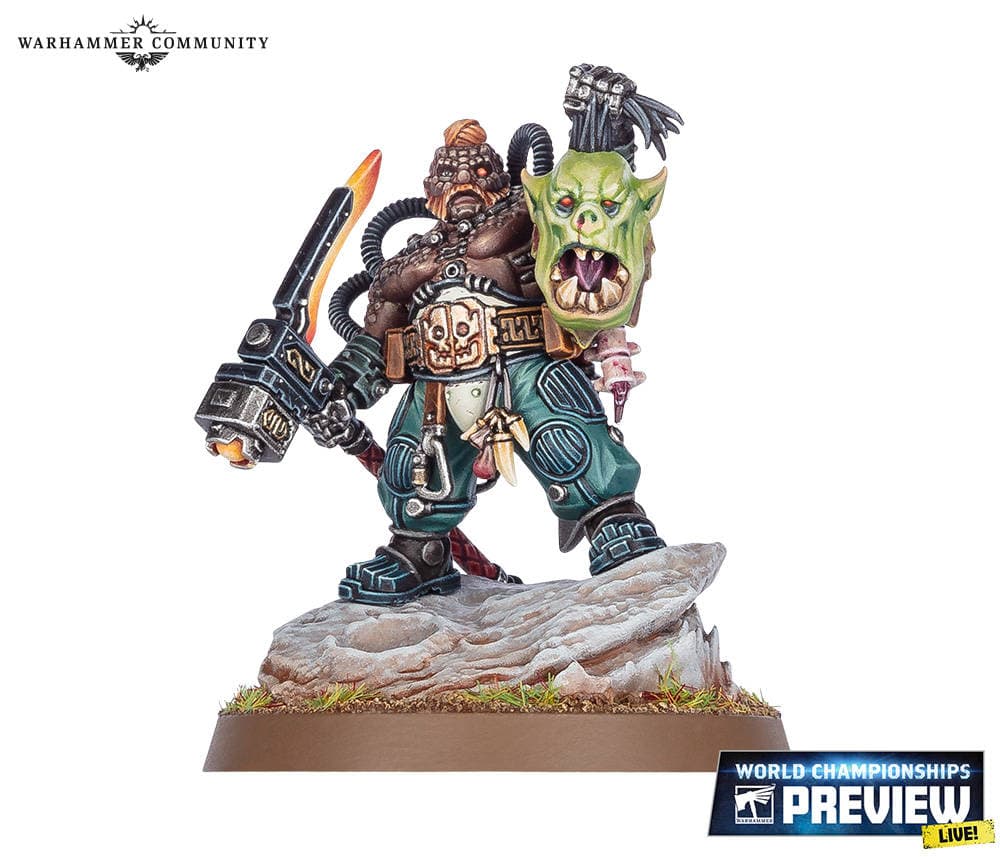
Getting a new box of minis to the table can be the most exciting—and most confusing—part of the hobby. This workshop primer lays out practical, field-tested steps to move from sprue to primed mini with fewer headaches and better results.
Start at the box. Unbox and inventory components, inspect sprues and instructions, and identify natural subassemblies before cutting anything free. That quick inventory saves lost parts and gives a plan for sensible glue order. Clean mould lines and remove flash and seam lines carefully with a hobby knife and fine files; take your time here because clean joins make the rest of the build easier. Always test-fit parts dry before committing to glue so you can see whether pinning, trimming, or slight repositioning will be needed.
Assembly order matters. Join torsos and legs first to create stable core joins, then add larger weapons and backpacks, leaving delicate bits and separate antennae for last. For plastics use Citadel plastic glue; for resin or metal, use a thin superglue. When gaps remain, use liquid green stuff or modelling putty and sand the area smooth once cured for invisible joins. Test-fit again after filling; a tidy seam will save paint time later.
Basing is more than decoration—decide on a standard base size early and add texture like sand, cork, or plasticard before priming. Doing basing work now prevents primer and paint from obscuring fine detail later and keeps the model balanced for gaming. When priming, hold the can 20–30 cm from the model and use multiple light passes rather than one heavy coat. Choose black, grey, or white primer depending on your final scheme: black for dark schemes, white for bright colours, grey as a neutral middle ground.

Safety and workspace setup are non-negotiable. Ventilate when priming, use a cutting mat for trimming, keep spare brushes on hand, and organise small parts in labelled containers so nothing goes missing mid-build. A tidy bench speeds every stage and avoids the classic case of glued fingers or vanished clips.
Once primed, follow a simple paint order to bring models to tabletop standard: basecoat, shade/wash, layering, edge highlights, then varnish. This sequence reduces frustration and gives consistent, readable results for games.
This primer is designed to get you building and painting with confidence. Practice the sequence on a single model, adapt it to your tools and materials, and your next unit will go from sprue to table faster and neater—leaving more time for tactics, campaigning, and enjoying the game.
Know something we missed? Have a correction or additional information?
Submit a Tip