World Cup 2026 faces heat risks across North America hosts
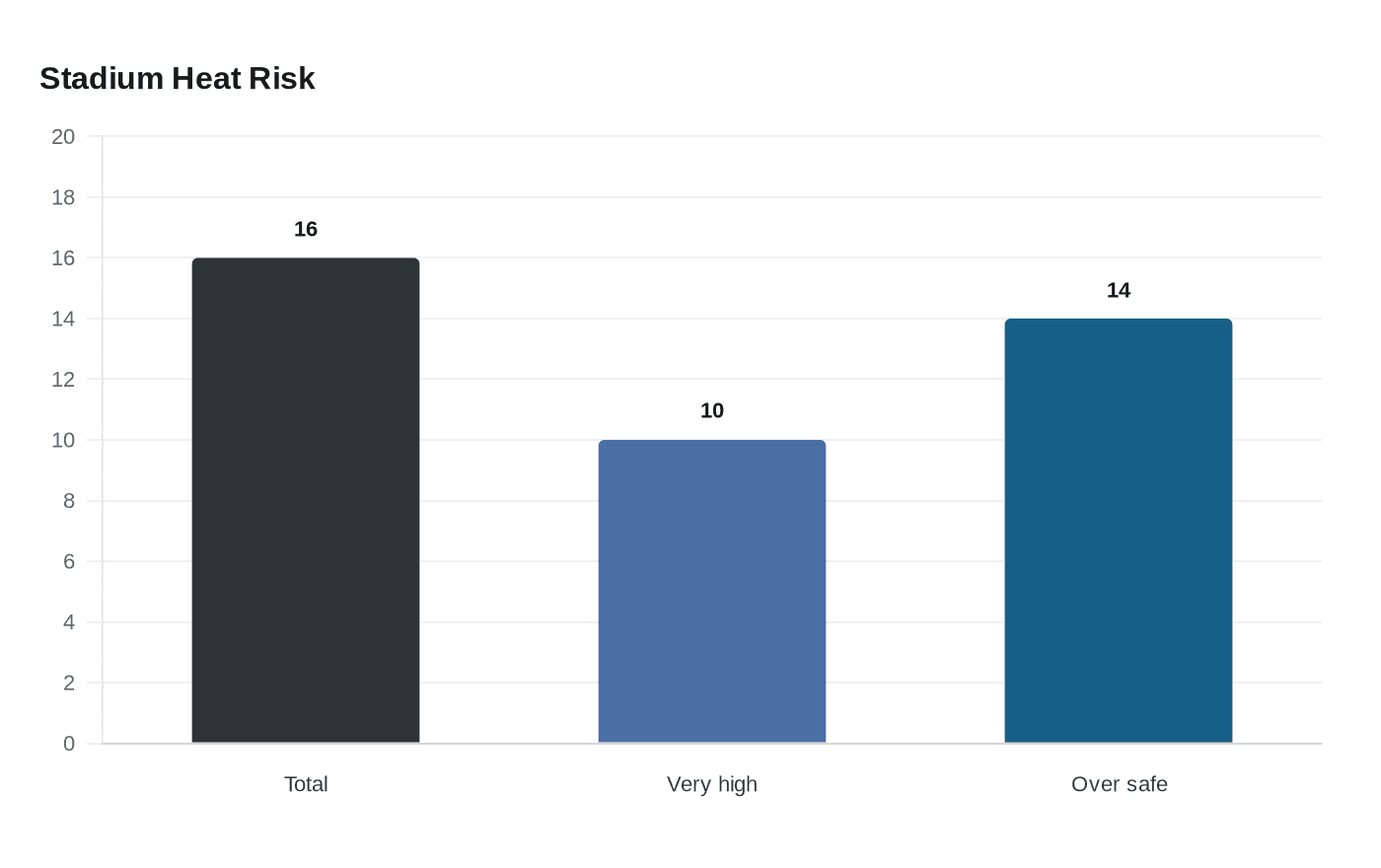
Ten of 16 World Cup venues face very high heat stress, forcing FIFA to build hydration breaks into every match.
The 2026 World Cup is being built as a logistics feat, but the largest operational threat may be the weather. The tournament will stretch across 16 host cities in Canada, Mexico and the United States, with 48 teams playing 104 matches from the opening in Mexico City on 11 June 2026 to the final in New York New Jersey on 19 July 2026. FIFA says the schedule was designed to reduce travel and protect player rest, yet climate risk now sits at the center of planning.
A new climate assessment of the 16 stadiums says 10 venues are at very high risk of extreme heat stress, and 14 already exceed safe-play thresholds for at least one major climate hazard. The report projects that nearly 90% of North American host stadiums may need adaptation to extreme heat by 2050, while one-third could face water demand equal to or greater than supply. That turns the tournament into more than a test of football administration. It is a stress test for stadium readiness, local infrastructure and match-day operations.

Miami and Mexico City stand out as the most obvious heat exposures, but the threat is broader than temperature alone. Flooding, storms and water stress also hang over parts of the host footprint, raising risks for scheduling, pitch conditions, fan travel and the ability of venues to function at full capacity. The problem is not theoretical. Matches at the 2025 Club World Cup were played in temperatures above 100F, or 38C, underscoring how quickly summer football can move from uncomfortable to dangerous.
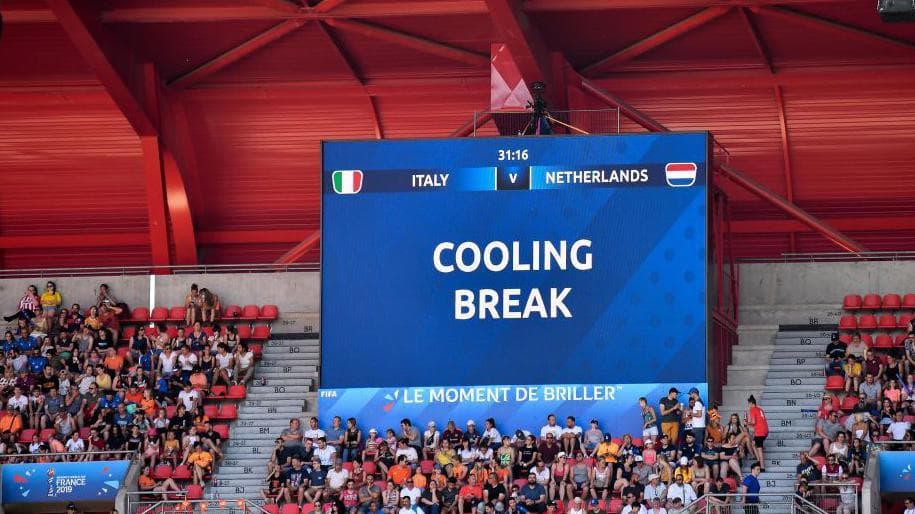
FIFA has already added one clear countermeasure: three-minute hydration breaks in both halves of every match, regardless of weather conditions. That is a practical concession to the climate reality facing players, referees and stadium staff across North America. It also shows how the tournament’s resilience planning has shifted from routine weather monitoring to active mitigation of heat exposure during play.
Climate advocates say that shift is overdue. Football for the Future, Common Goal and Jupiter Intelligence have framed the issue as a long-term business and safety risk, not just a sporting inconvenience. With the first 48-team World Cup set to unfold under hotter and more volatile conditions, the question is no longer whether weather will affect the tournament, but how often and how severely.
Know something we missed? Have a correction or additional information?
Submit a Tip