World Cup attendance surges past expectations as stadiums near full capacity
More than 2.85 million fans filled World Cup stadiums through 44 matches, putting the U.S. on pace to break 1994’s attendance record.
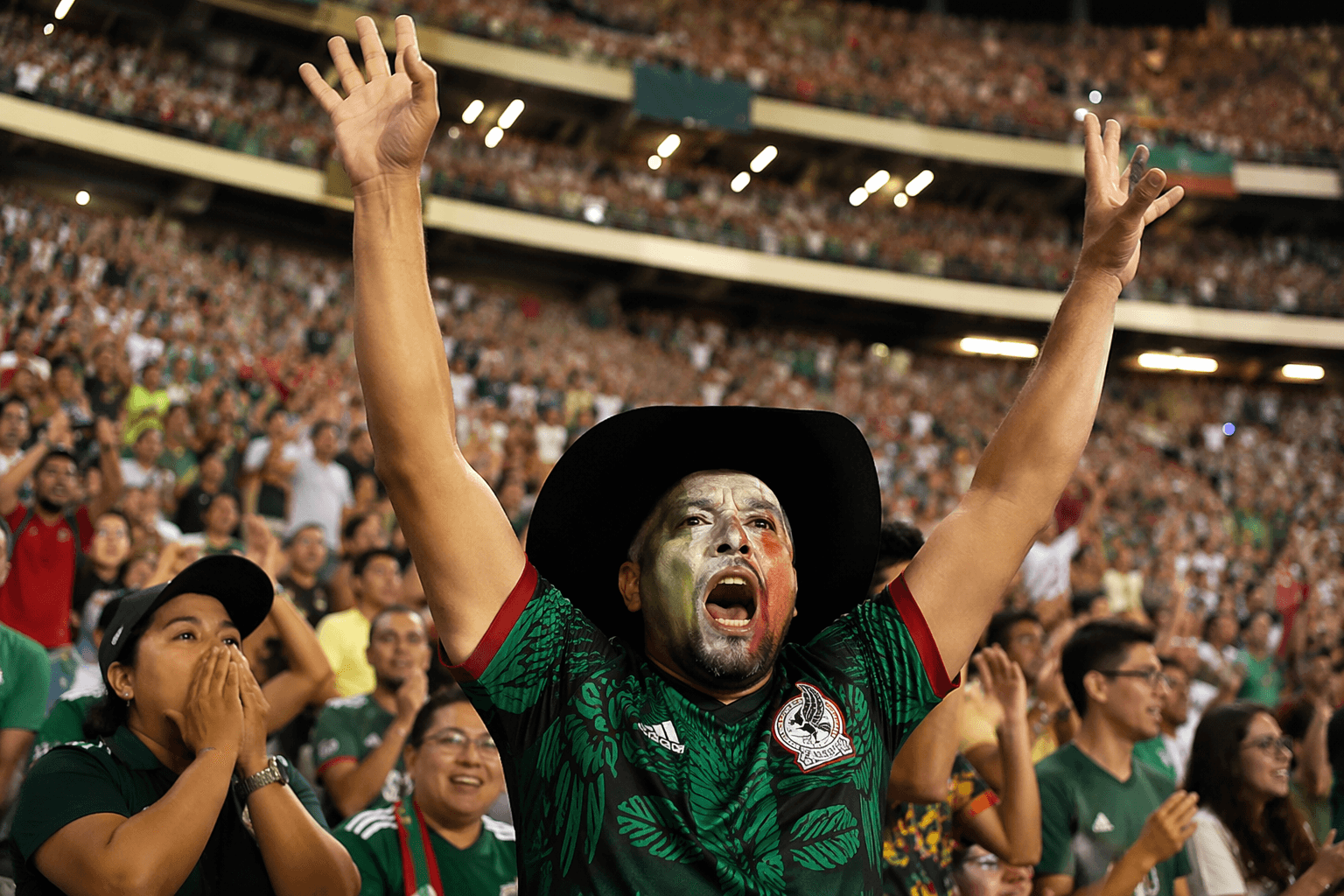
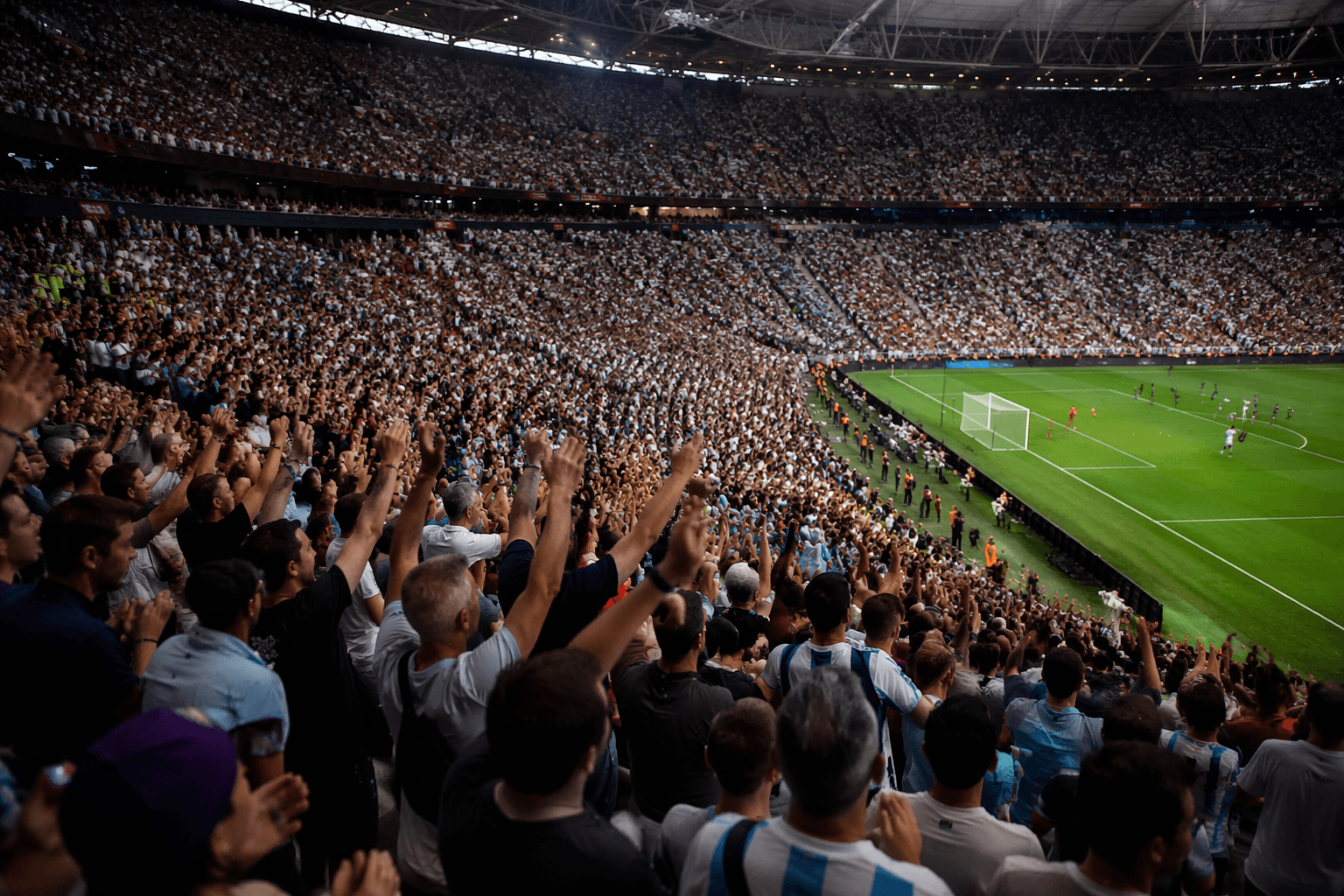
Through 44 matches, the 2026 World Cup drew more than 2.85 million spectators and filled stadiums to about 99.6% capacity, putting the tournament on pace to break the men’s attendance record set in the United States in 1994. The numbers amount to an early verdict on whether U.S. sports infrastructure can absorb a global mega-event at scale, not just a celebration of packed stands.
The tournament was built to generate huge totals. FIFA made this World Cup the first with 48 teams, 104 matches and three host countries, Canada, Mexico and the United States, spread across 16 host cities. It also expanded the field to a record 1,248 players representing 48 nations, creating more traveling supporters, more rooting interests and more dates on the calendar for fans to buy into. Large-capacity NFL and MLS venues have helped keep percentage occupancy near full even as the event has grown substantially larger than previous editions.
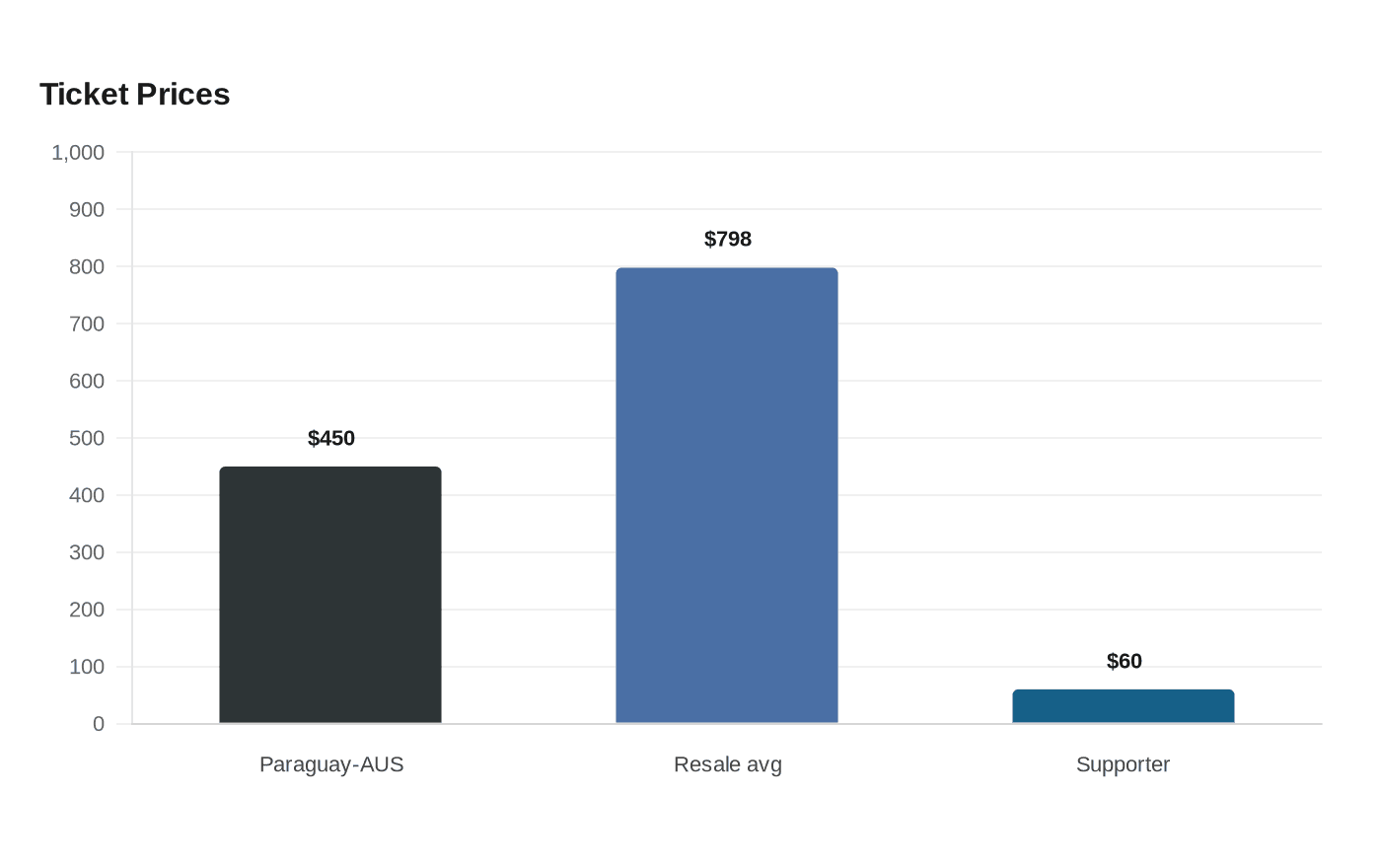
The demand has held despite steep prices. FIFA’s pricing model has used variable ticket prices tied to demand and availability, while stopping short of automatic dynamic pricing. Even so, a last-minute ticket to Paraguay-Australia was listed at $450, and resale-market get-in prices averaged $798, according to TicketData. FIFA later introduced a $60 Supporter Entry Tier for fans of qualified teams, available for all 104 matches, including the final, after saying it had already received 20 million ticket requests in one sales phase.
That combination of full stadiums and elevated prices has turned the tournament into a premium live-entertainment product as much as a sporting one. It also suggests that, at least for now, organizers have succeeded in matching America’s appetite for big events with the scale of a World Cup designed to be bigger than ever. The question is whether the crowds reflect a durable rise in soccer demand or the pull of a once-in-a-generation spectacle.
Travel policy has complicated that picture. The U.S. State Department says Presidential Proclamation 10998, effective January 1, 2026, fully or partially suspended visa issuance and entry for nationals of 39 countries. FIFA has responded by advertising FIFA PASS, a visa-appointment assistance system for ticket purchasers and their ticketed guests traveling to the United States. The attendance surge shows the stadium product is working; the policy test is whether the host country can keep the rest of the event equally open.
This article was produced by Prism’s automated news system from verified source data, official records, and press releases, then run through automated quality and moderation checks before publishing. The system is built and supervised by the people who set the standards it runs under. Read our full AI policy.
Know something we missed? Have a correction or additional information?
Submit a Tip