World Cup expansion opens door for debutants and longtime strugglers
Cabo Verde, Curaçao, Jordan and Uzbekistan reached the World Cup for the first time as the 48-team format widened the path to the round of 32.
The expanded 2026 FIFA World Cup has already altered the race before a ball is kicked in the knockout rounds. For Cabo Verde, Curaçao, Jordan and Uzbekistan, the new 48-team field created a path to a first finals appearance, while the 12 groups of four made the opening stage even more decisive for nations chasing a rare breakthrough.
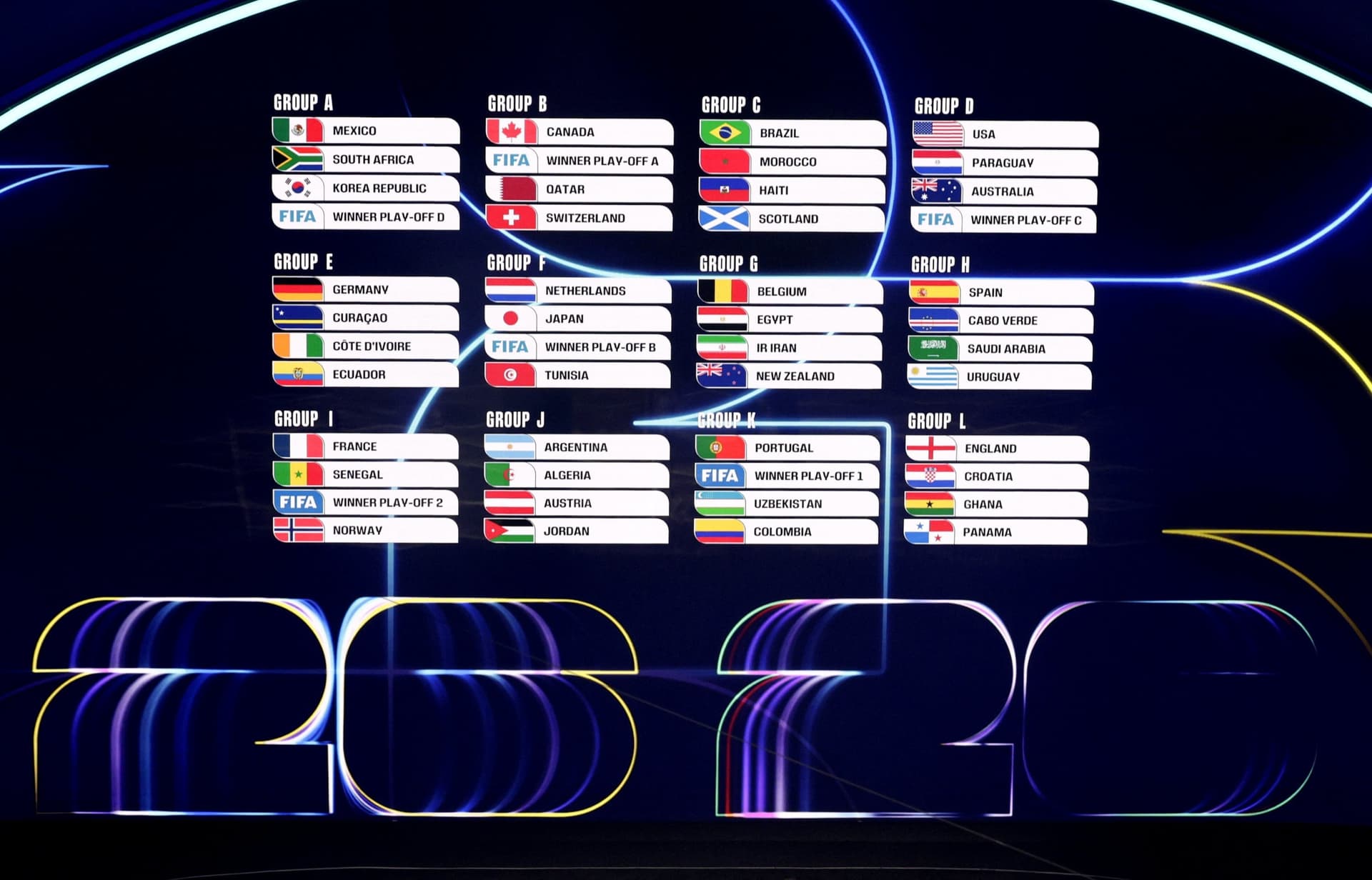
FIFA said the tournament will include 16 more nations than previous editions, and the draw immediately framed the stakes. South Africa landed in Group A, Canada in Group B, Scotland in Group C, Curaçao in Group E, New Zealand in Group G, Cabo Verde in Group H, Jordan in Group J and Uzbekistan in Group K. That spread gives each of the debutants and long-struggling sides a different route, but the pressure is the same: escape the group stage and the bracket opens into a 32-team round of 32.
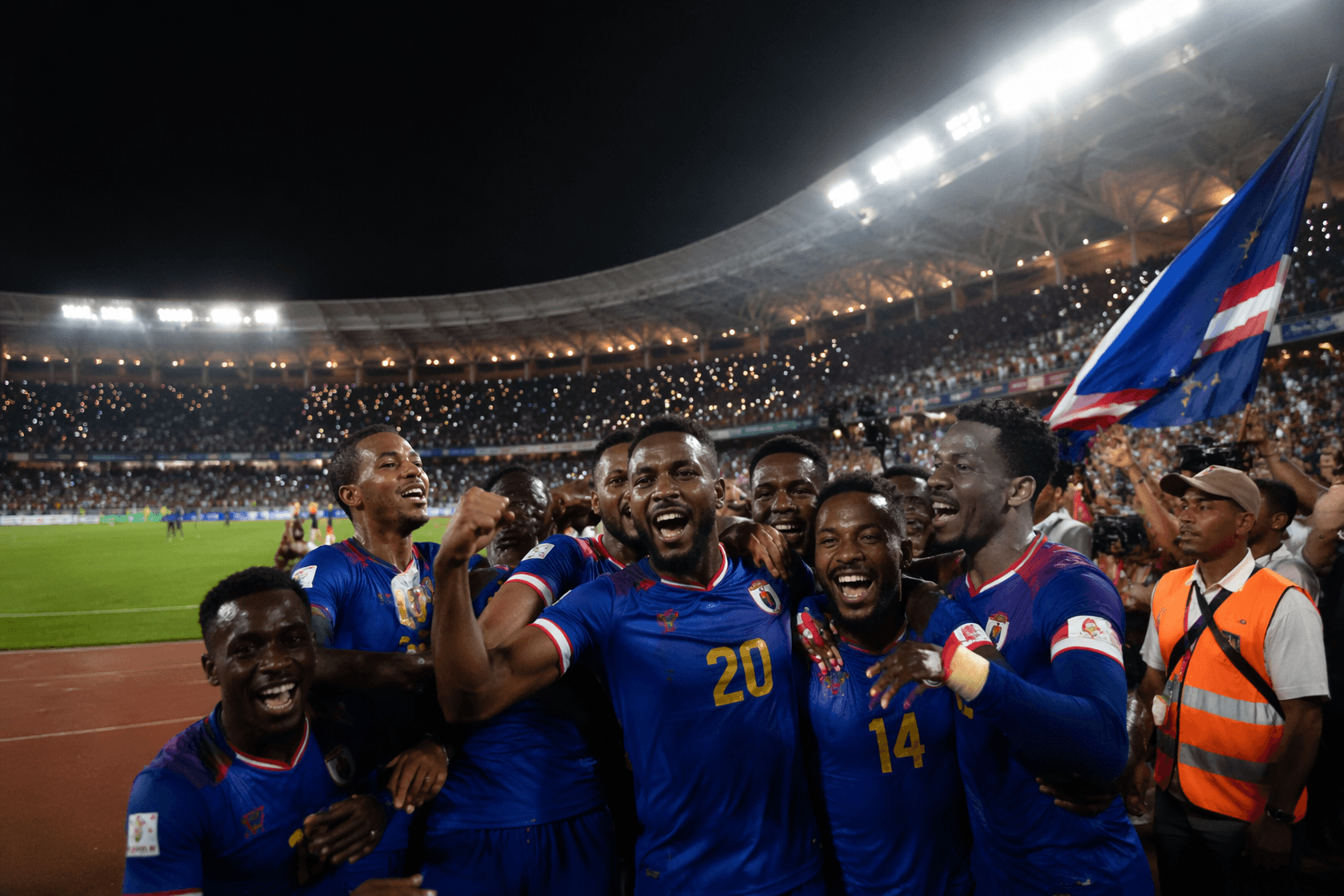
The new arrivals carry their own history. Cabo Verde reached its first World Cup by topping its CAF qualifying group ahead of Cameroon. Curaçao became the least populous nation ever to qualify for a World Cup. Uzbekistan became the first Central Asian nation to reach the finals. Jordan earned its first berth as well, completing a quartet of debutants that gives the 2026 field a wider competitive and geographic range than any World Cup before it.
The expansion also matters because it increases the chance that old problems become new opportunities. Scotland have never advanced beyond the group stage. New Zealand were eliminated in the group stage in both Spain 1982 and South Africa 2010. South Africa’s previous appearances also ended in the first round, and Canada returned to the World Cup in 2022 after a 36-year absence but still seeks a first victory. Those records make the group phase more than a formality; it is the only place where these teams can change the narrative.
FIFA’s own history points to how that can happen. New Zealand were the only unbeaten team at South Africa 2010 even though they were ranked 78th in the world when the tournament began. In a 48-team World Cup, that kind of result is exactly why the group stage now carries so much weight. For debutants and perennial underachievers alike, the first three matches may be the best chance to turn an expanded tournament into a lasting run.
This article was produced by Prism’s automated news system from verified source data, official records, and press releases, then run through automated quality and moderation checks before publishing. The system is built and supervised by the people who set the standards it runs under. Read our full AI policy.
Know something we missed? Have a correction or additional information?
Submit a Tip