World Cup expansion raises questions over group stage drama
The expanded World Cup is already delivering more goals and more stories, but the real test is whether 48 teams deepen drama or dilute it.
The 2026 World Cup will run from June 11 to July 19 across Canada, Mexico and the United States, with 48 teams, 12 groups of four and a new Round of 32. The format turns the group stage into a test of whether expansion broadens the tournament or blunts its edge, while creating more room for surprise and a longer road to the trophy.
How the new format changes the stakes
The biggest structural shift from the 32-team era is simple: the old World Cup sent only the top two teams from each of eight groups into the knockout rounds, while the new one advances the top two in each of 12 groups plus the eight best third-place teams. That keeps more teams alive deeper into the group stage and reduces dead-rubber matches, but it also means a team can survive without finishing first or second.
FIFA chose the 48-team model over a 16-groups-of-three alternative after weighing team and fan experience, player welfare and sporting integrity. The revised format was approved unanimously by the FIFA Council ahead of the 2023 FIFA Congress in Rwanda, and it marks the first World Cup expansion since 1998, when the competition grew to 32 teams and stayed there through 2022. The 2026 edition is the tournament’s first return to North America since USA 1994.
The knockout path is longer, too. The champion will play eight matches, one more than the 2022 winner, and tie-breakers in the group stage now matter even more because the field for the Round of 32 is so wide. If teams are level on points, FIFA uses head-to-head points first, then goal difference, goals scored, disciplinary record and, if needed, FIFA ranking.
Early results: more goals, but not a collapse in balance
The first 24 matches have not produced the kind of lopsided group stage some critics feared. Through those matches, the goal differential matched the same point in Qatar 2022, even as total goals climbed from 57 to 75.
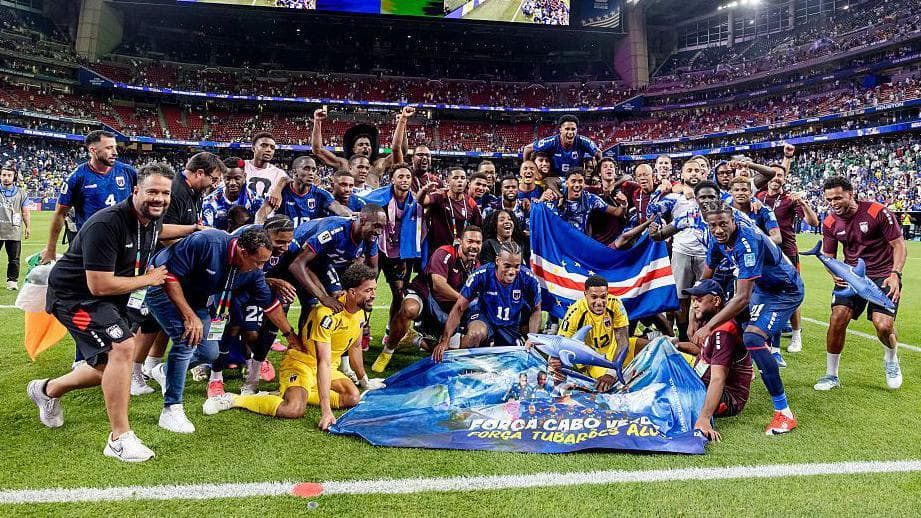
The sample has still included heavy defeats. Germany beat Curaçao 7-1 and Canada beat Qatar 6-0. But the opening rounds have also delivered results that strengthen the case for expansion’s unpredictability: Cape Verde, the fifth-lowest ranked team in the field, held European champions Spain to a 0-0 draw, and Congo drew 1-1 with Portugal, led by Cristiano Ronaldo. Mexico coach Javier Aguirre said many matches had been very complicated.
That is where the argument over dead-rubber matches becomes central. In the old eight-group format, two losses could end a team’s tournament before the final group game felt meaningful. In the new version, eight third-place teams still have a route through, so more nations remain alive until the last round of group matches.
Why the backlash from football’s smaller nations matters
The debate intensified when UEFA president Aleksander Ceferin described some expanded-format matches as “uninteresting.” That drew a sharp response from a coalition of associations from Asia, Africa and the Caribbean. Their argument was blunt: there is “no such thing as an unimportant World Cup match.”
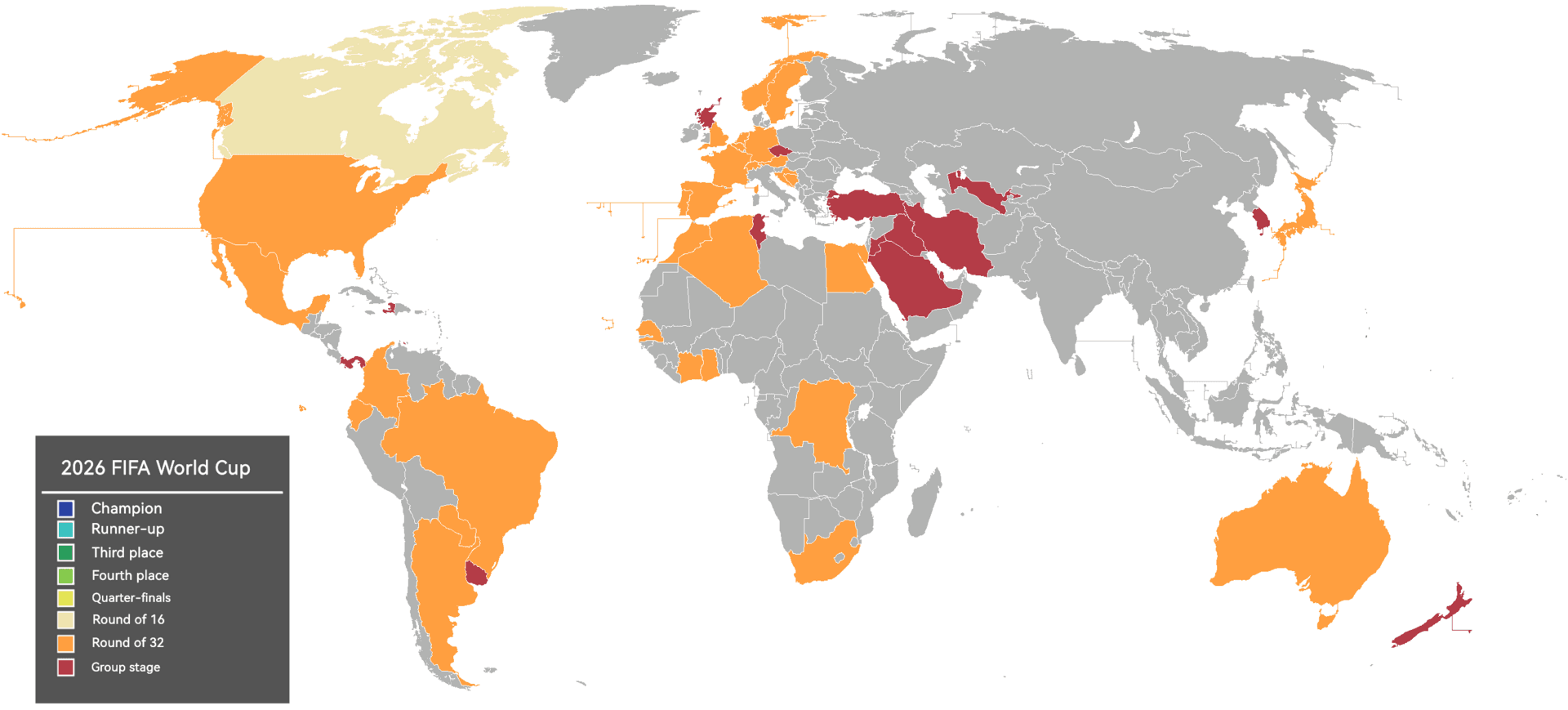
For nations that rarely reach the tournament, simply appearing on the biggest stage can accelerate football development, inspire younger players and deepen the sport’s profile at home.
What expansion adds, and what it asks players to absorb
Expansion also carries a commercial upside: 104 matches create more inventory, more national storylines and more chances for broadcasters to build audiences around new regions. FIFA confirmed a record 1,248 players representing 48 nations on final squad lists, which underlines how much larger the tournament has become in personnel as well as in matches. More teams also mean more countries have a direct stake in the event, which is part of the reason the expansion has such political force.
The tournament is longer than the 64-game model used from 1998 to 2022, and the calendar footprint stretches across three host countries.
This article was produced by Prism’s automated news system from verified source data, official records, and press releases, then run through automated quality and moderation checks before publishing. The system is built and supervised by the people who set the standards it runs under. Read our full AI policy.
Did this article answer your question?