World Cup Fan Festival fills Mexico City Zócalo with color and music
Mexico City’s Zócalo turned into a free World Cup gathering place, where fans from six countries brought music, costumes and tradition to the city’s center.
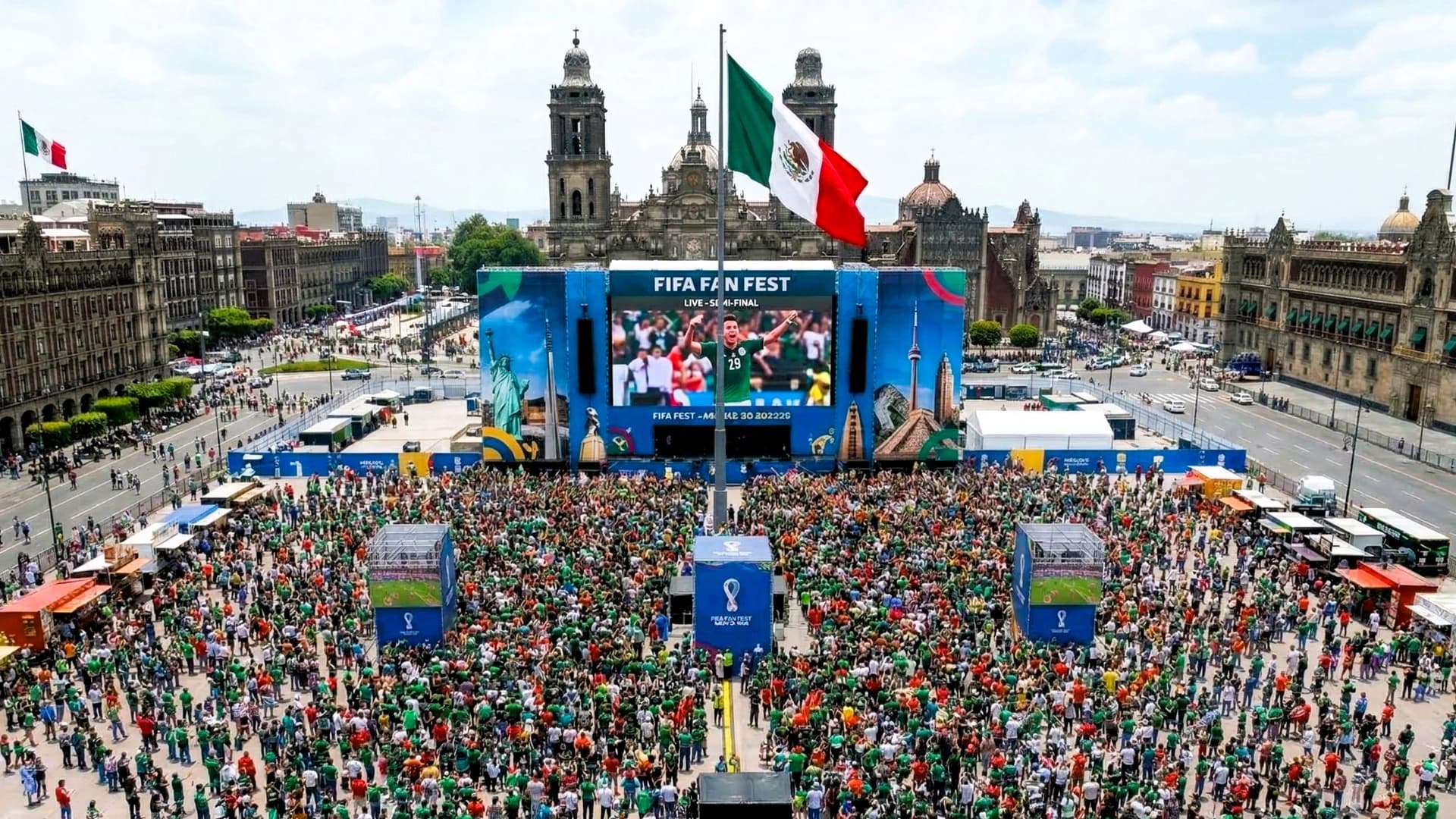
Color and music spilled across the Zócalo as Mexico City’s FIFA Fan Festival drew supporters from Mexico, Ecuador, France, Sweden, Norway and Ivory Coast into one of the country’s most recognizable public squares. The scene mixed flags, costumes and national rhythms with the steady pull of giant screens, turning the capital’s center into a place to watch matches and to be seen.
FIFA set the Mexico City Fan Festival at the Zócalo from June 11 to July 19, 2026, with free admission and open access for the public as long as the venue remained below capacity. The organization framed the space as a central World Cup destination with live match broadcasts, music, cultural experiences, gastronomy and family-friendly activities, designed to keep the tournament alive in the middle of the city long after kickoff.

That broader public role was visible in the mix of fans who filled the area on June 30, when the tournament’s social energy reached well beyond the stadiums. Mexican supporters mingled with traveling fans from across Europe and South America and with visitors from Ivory Coast, each group adding its own sounds and colors to the same civic backdrop. The result was less a single viewing party than a rotating street festival, where public space became part of the competition’s atmosphere.
The Mexico City site was also one piece of a much larger World Cup footprint. FIFA said the 2026 tournament would include 13 FIFA Fan Festival sites across host cities in Canada, Mexico and the United States, the largest network of fan events in World Cup history. In practical terms, that means the economic and cultural life of the event is not confined to stadium gates or match hours. It reaches into plazas, transit corridors, food vendors and surrounding neighborhoods, where the tournament’s crowds can keep a city’s center active from morning into night.
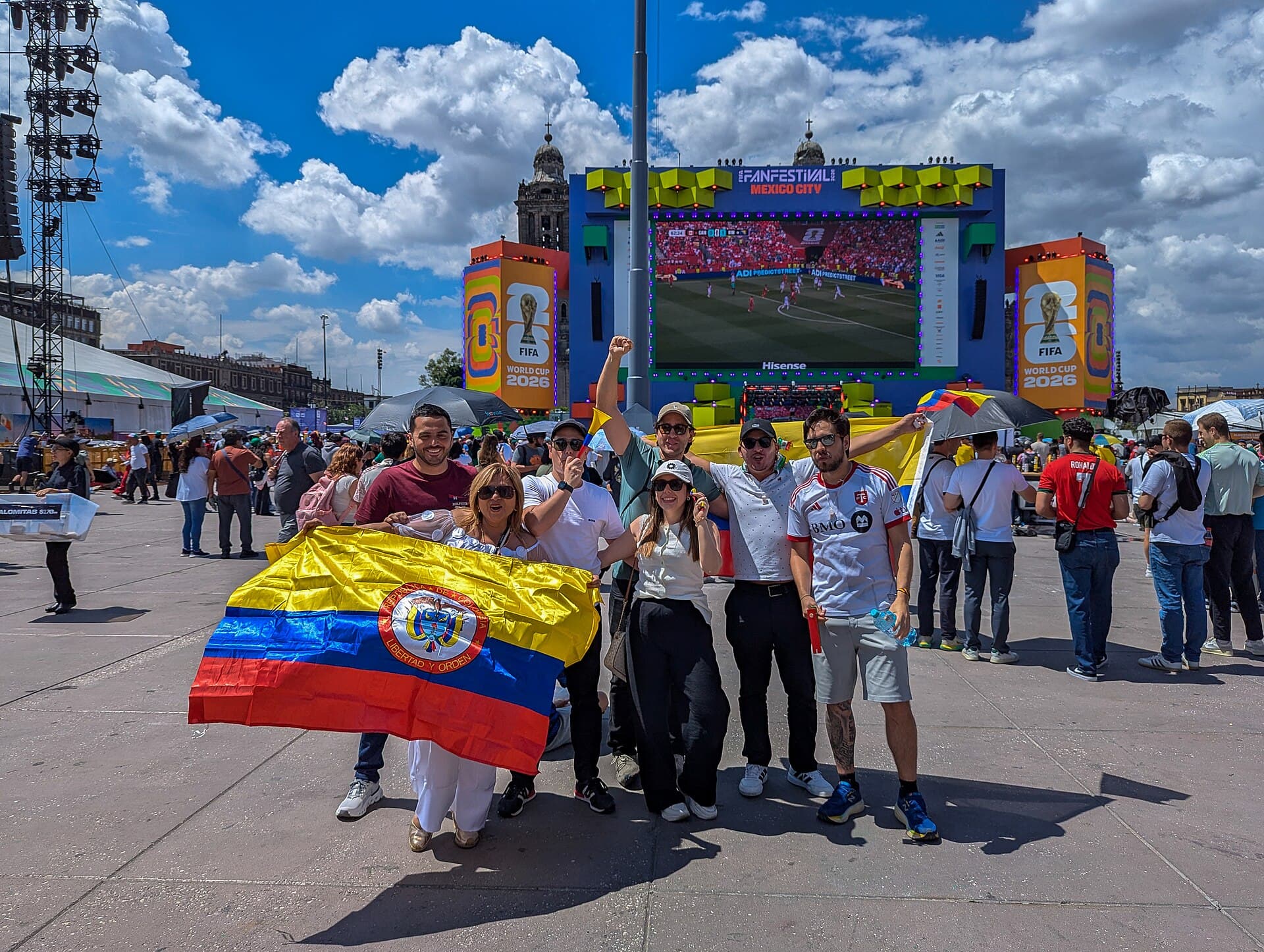
For host cities, that kind of public gathering matters because it expands the tournament’s reach. The Zócalo, already one of Mexico’s most emblematic spaces, became not just a backdrop but a stage for international fan culture, with the World Cup playing out in music, costumes and shared public space as much as on the field.
This article was produced by Prism’s automated news system from verified source data, official records, and press releases, then run through automated quality and moderation checks before publishing. The system is built and supervised by the people who set the standards it runs under. Read our full AI policy.
Did this article answer your question?
.jpg&w=1920&q=75)