World Cup fans brace for dangerous heat across US host cities
A dangerous heat dome pushed triple-digit heat indexes across World Cup host cities as FIFA’s hydration breaks and open-air venues faced a harsh June test.

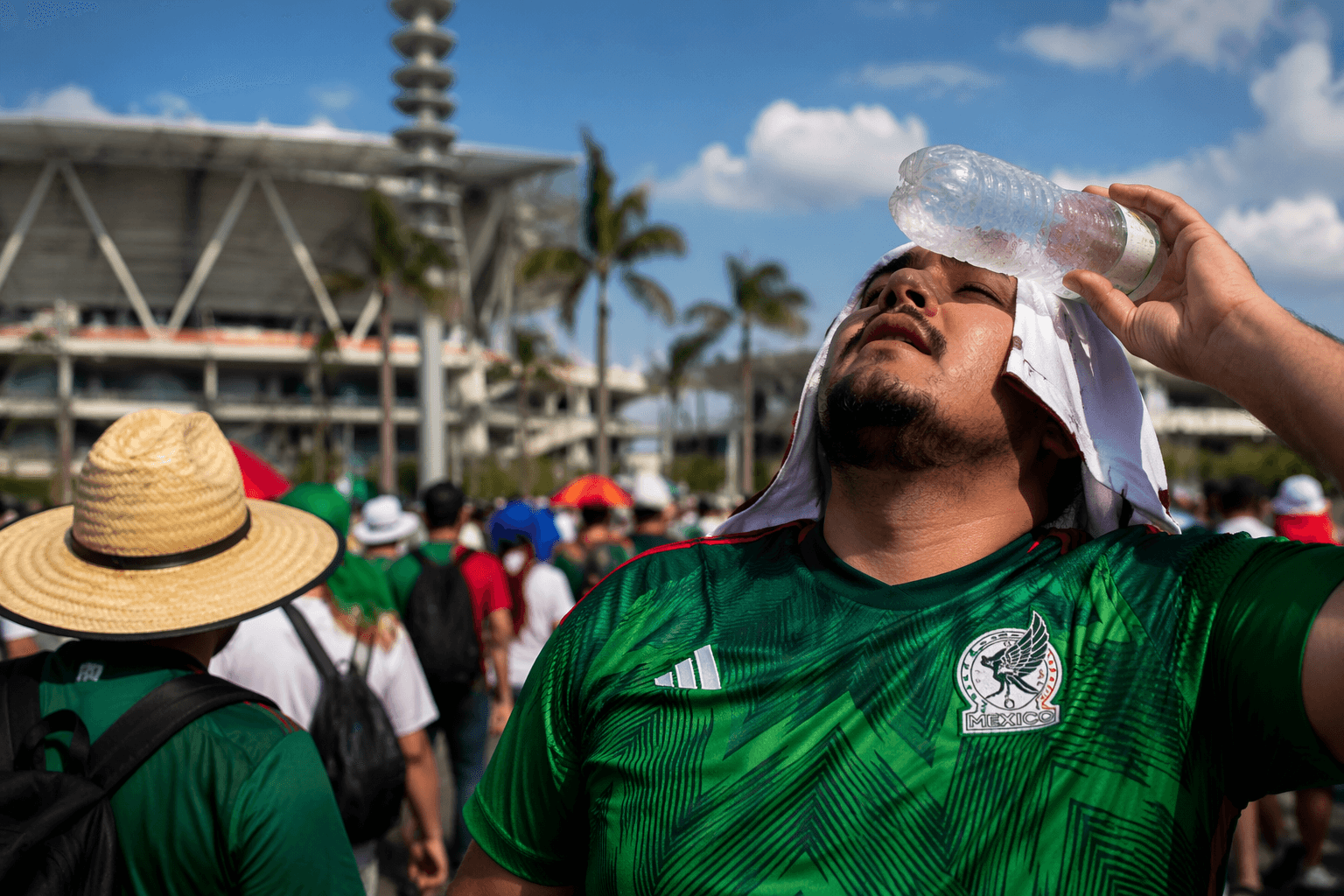
Scorching heat baked the US east coast as fans crowded around World Cup matches, while forecasters warned that a dangerous heat dome was driving heat index values into the triple digits across the central and eastern United States. The conditions turned a global soccer tournament into a live stress test for fans, players and stadium operators.
The 2026 FIFA World Cup runs from June 11 to July 19, with 48 teams, 104 matches and 16 host cities spread across the United States, Mexico and Canada. That scale matters in a summer like this one, especially in open-air venues in Boston, Philadelphia and Kansas City, where heat and humidity can build long before kickoff and linger well after the final whistle.
FIFA has already required three-minute hydration breaks in each half of every match, regardless of weather conditions, a clear sign that player welfare is now being managed minute by minute. On the field, those pauses give athletes a chance to recover in heat that can sap speed, decision-making and endurance over 90 minutes and stoppage time.
Off the field, the same weather changes the shape of the event itself. Fans moving through transit links, security queues and parking lots face more exposure before they ever reach their seats, and crowded concourses become hotter pressure points as stadium crews work to keep water available and medical teams ready. At open-air sites such as MetLife Stadium in East Rutherford, New Jersey, heat is not just a comfort issue; it affects arrival patterns, departure flow and the pace of operations around the building.
The risk is not new to World Cup history. The 1994 tournament in the United States included Mexico against the Republic of Ireland, a match long remembered as the hottest game in World Cup history. This year's tournament is bigger, more compressed and spread across more host cities, leaving organizers with fewer chances to avoid punishing afternoon conditions.
Weather services have warned that excessive heat and humidity could hit host cities in all three countries, but the US leg is where the exposure is most visible right now. With 104 matches packed into 39 days, the tournament will keep testing how mass events function when summer temperatures turn routine fan routines into a safety calculation.
This article was produced by Prism’s automated news system from verified source data, official records, and press releases, then run through automated quality and moderation checks before publishing. The system is built and supervised by the people who set the standards it runs under. Read our full AI policy.
Did this article answer your question?