World Cup fans explore Americana beyond stadiums across U.S. cities
World Cup visitors are turning stadium trips into detours for Waffle House, Buc-ee’s and other everyday U.S. rituals.
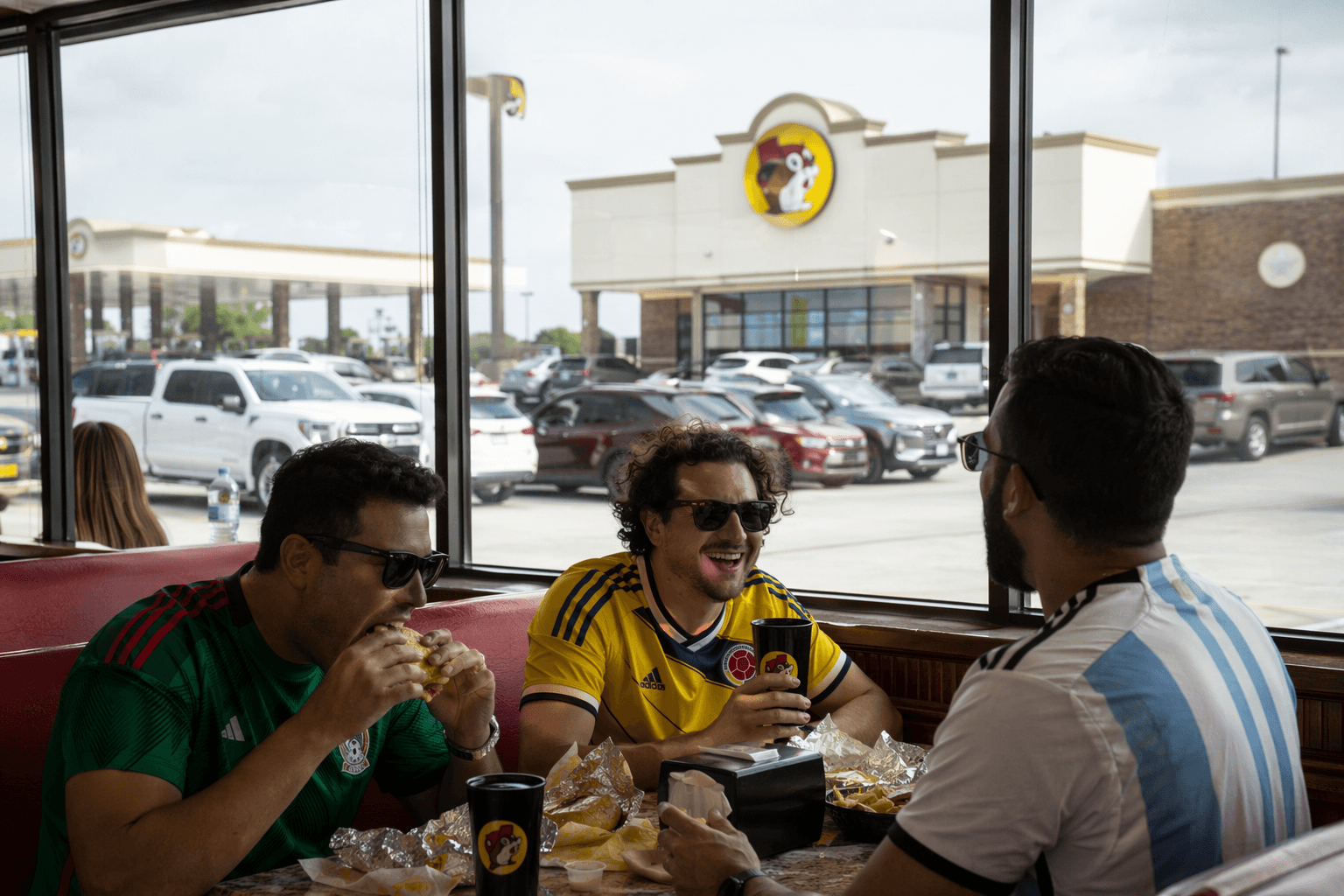
The World Cup is becoming a crash course in American life for many of the fans arriving from abroad. Across host cities in the United States, Mexico and Canada, visitors are leaving the stadium district to see parks, monuments and roadside institutions that feel as revealing as the matches themselves.
The tournament runs from June 11 to July 19, 2026, and for the first time it is being split among three countries and 16 host cities. The United States is hosting 11 of those cities, giving the country the largest share of a first-of-its-kind event that features 48 teams and 104 matches. Tourism Economics has projected about 1.2 million international visitors, including spectators, travel companions, national team representatives, match officials and others, a scale that makes every airport line, hotel desk and diner table part of the tournament economy.
What stands out is how many visitors are using the trip to sample the country beyond the arena. Fans have been drawn to places like Waffle House, the Southern staple that has become shorthand for a particular kind of American roadside culture, and to Buc-ee’s in Texas, the convenience stop that has become a destination in its own right. Those stops, along with parks and monuments, suggest that the World Cup is not just selling a sporting spectacle. It is selling an image of the United States as informal, oversized and legible through its food, its highways and its habits.
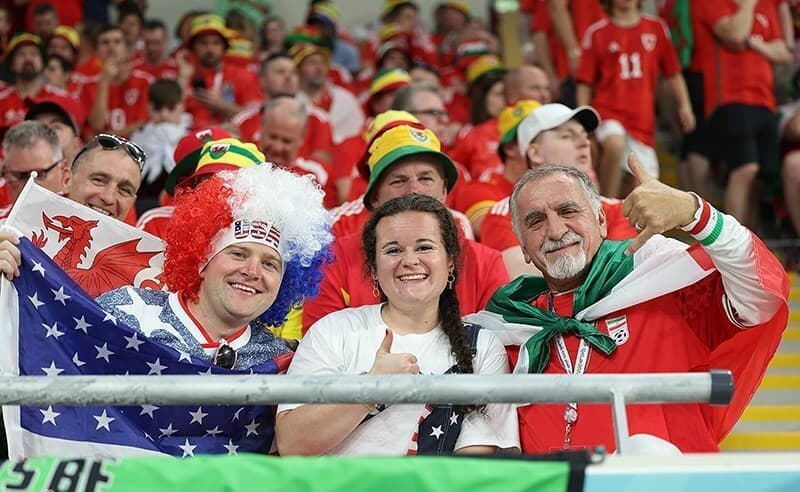
The experience is also shaped by policy before a fan ever reaches a concourse. The State Department says some international travelers can enter without a visa, while others must obtain one. As of 2026, the department has issued guidance on visa bonds for certain World Cup travelers and broader screening and vetting changes for some applicants. The administration says it will waive the visa bond requirement for certain individuals traveling to the United States for FIFA World Cup 2026, a reminder that access to the tournament is being managed as tightly as the matches themselves.
For the United States, that matters beyond optics. A World Cup that brings millions of visitors is also a test of how the country welcomes outsiders, how it moves them through its systems and what kind of everyday America they encounter once they get there. The stadiums are the headline. The diners, roadside megastops and monuments are what many fans will remember.
This article was produced by Prism’s automated news system from verified source data, official records, and press releases, then run through automated quality and moderation checks before publishing. The system is built and supervised by the people who set the standards it runs under. Read our full AI policy.
Know something we missed? Have a correction or additional information?
Submit a Tip