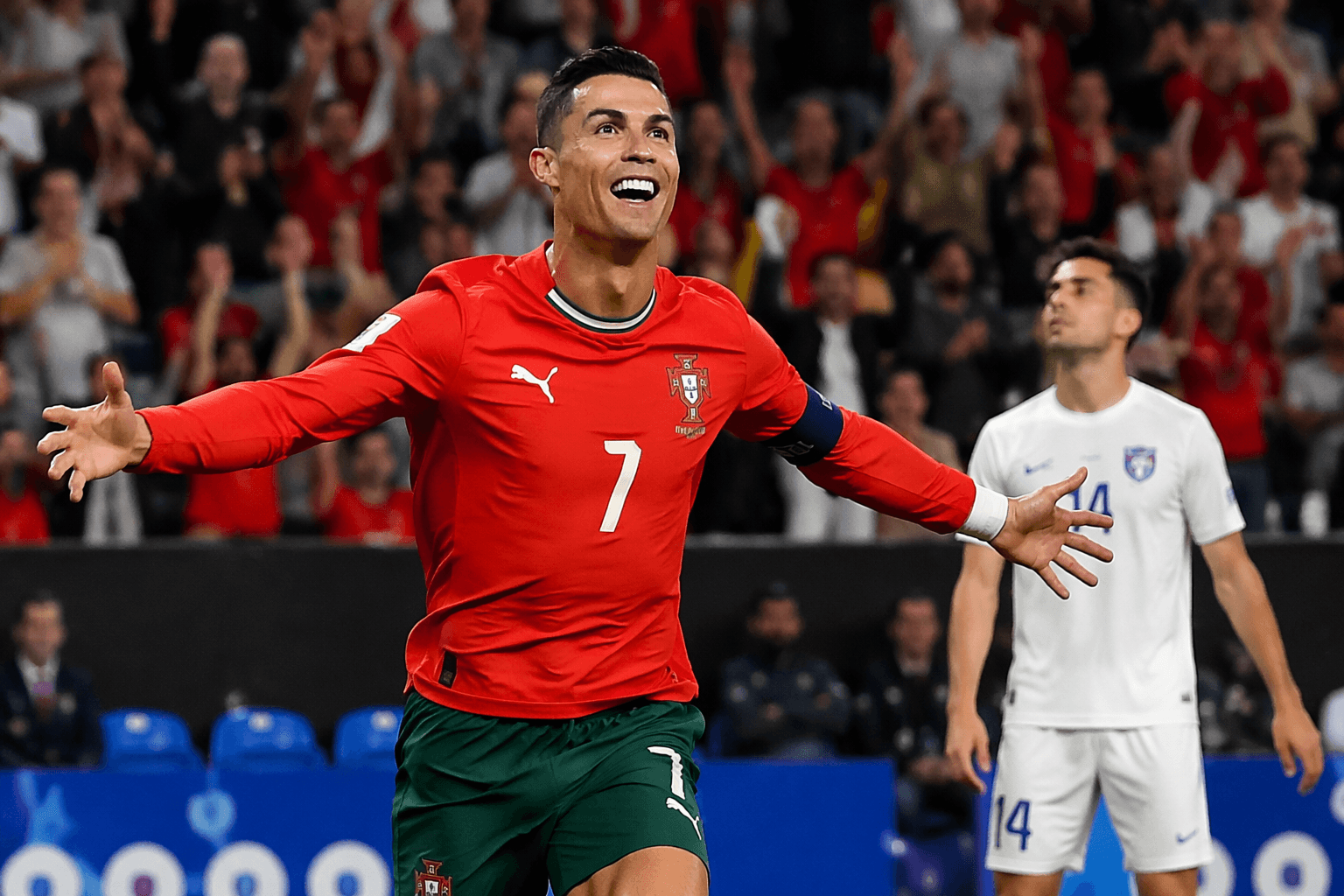
World Cup fans face luxury stadium food and soaring concession prices
At Miami Stadium, $75 caviar tots and a $40, five-pound empanada turned World Cup snacks into luxury buys while Atlanta kept hot dogs at $2.

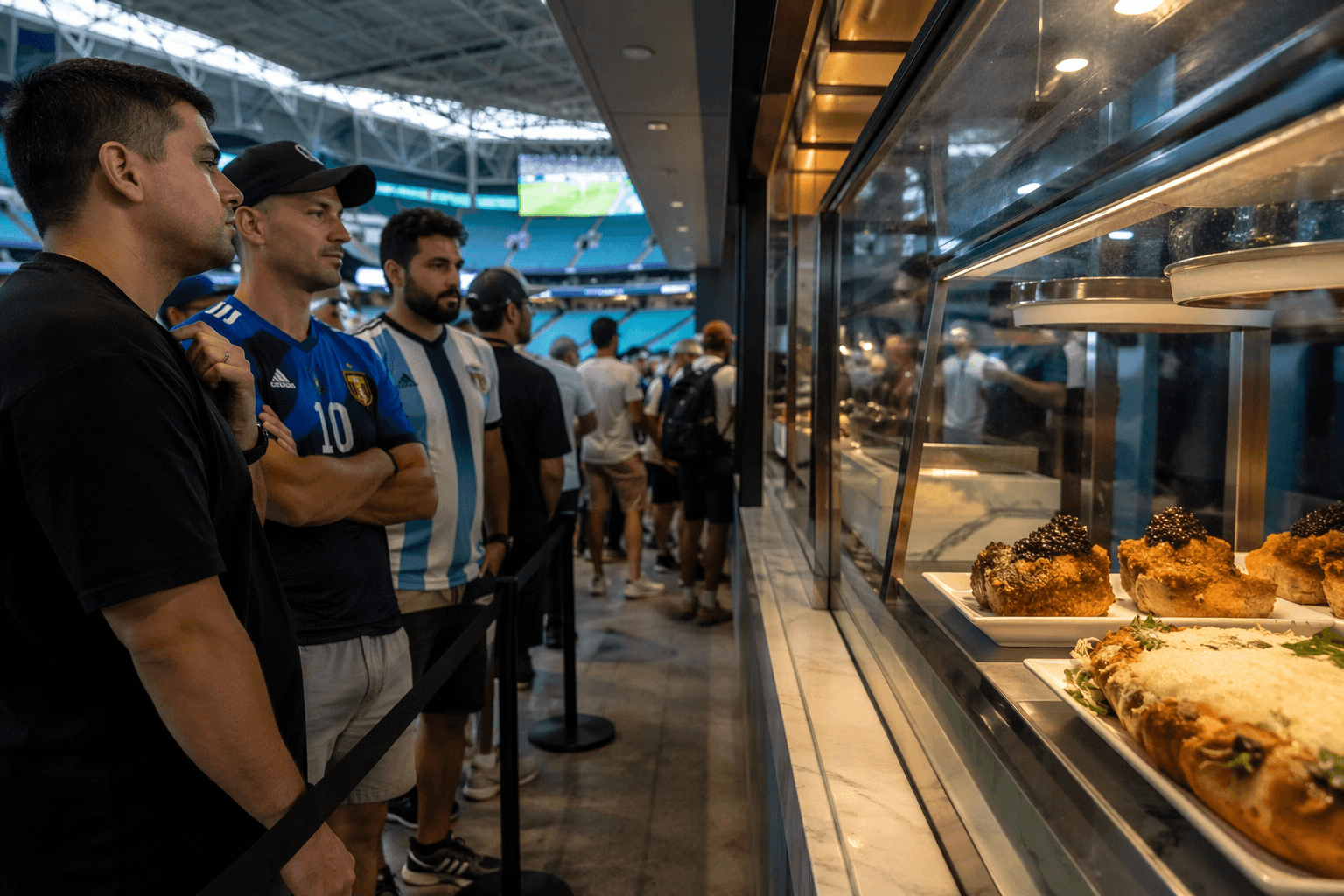
For World Cup fans already paying for tickets, flights and hotel rooms, the menu boards have added a new layer of sticker shock. In Miami Gardens, Florida, a $75 tray called “Fancy AF Tots” turned three deep-fried hash brown patties into a caviar-topped luxury item, finished with crème fraiche and chives. Another Miami concession, sold by Sol Cubano and billed as an empanada mundial, weighed 5 pounds and cost $40, a price that made a basic game-day snack feel more like a shared banquet.
The contrasts across host cities were stark. Associated Press reporting found rib-eye tacos for $8 in Guadalajara, a Twinkie cheeseburger for $22 in Los Angeles and lobster rolls for $34 in Kansas City, while beer prices at some venues climbed past $20. Thomas Schüller, a German fan in Toronto, said he paid 24.25 Canadian dollars, about $17 or 15 euros, for a beer and called it three times what he pays at home. For traveling supporters, the prices have become part of the spectacle, and often a bigger surprise than the scoreline.
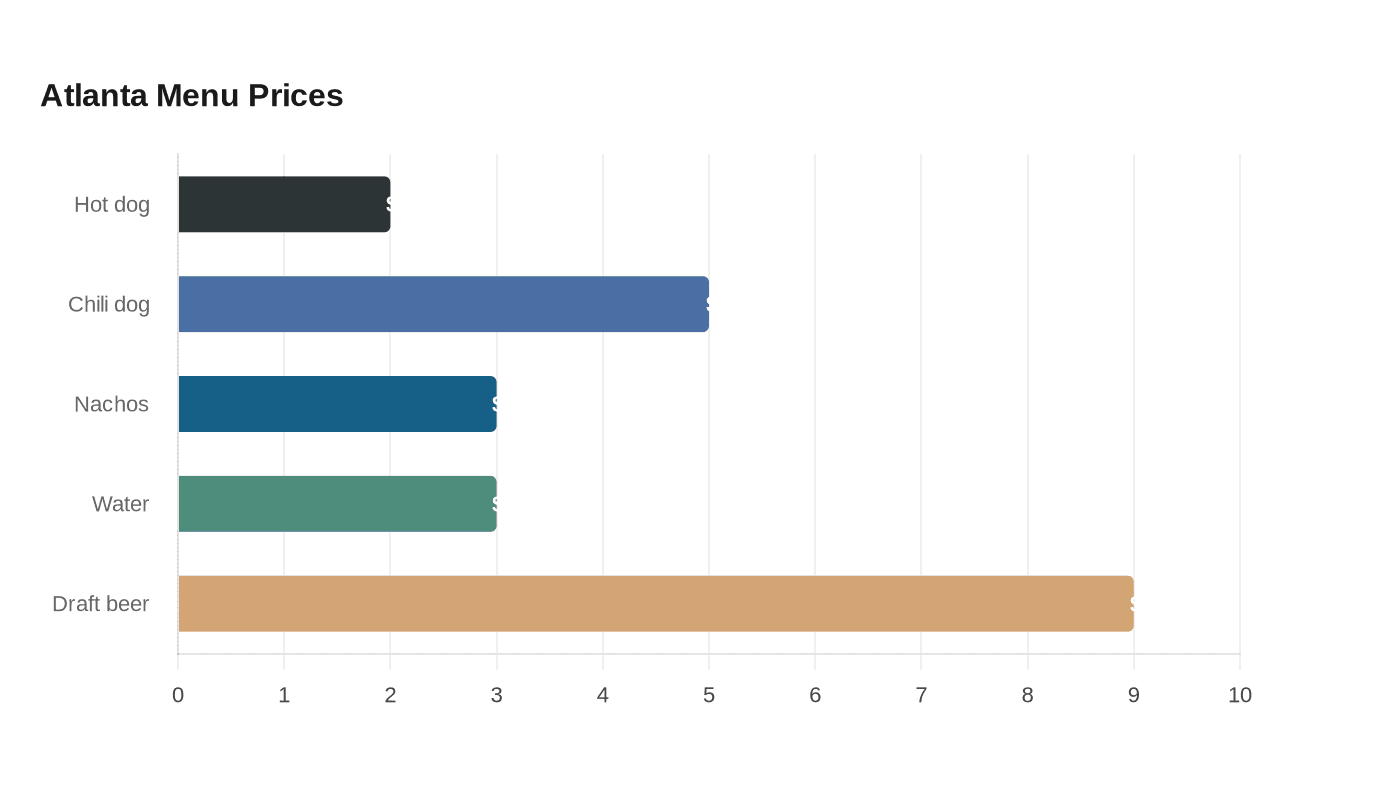
That variation is built into the tournament’s setup. FIFA does not dictate concession prices across the 16 host venues, leaving stadium operators with wide control over what fans pay for food and drink. At Mercedes-Benz Stadium in Atlanta, that control has worked in the opposite direction, with the venue continuing its fan-first pricing model during the 2026 World Cup. Official menu pricing there includes a classic hot dog for $2, a chili cheese dog for $5, cheese nachos for $3, bottled water for $3 and a large domestic draft beer for $9.
Atlanta’s pricing matters because it shows the gap is not inevitable. Coverage of a World Cup match there showed a 12-ounce draft beer at $5 and a hot dog at $2, while Arthur Blank’s stadium has long used low concession prices as part of its branding. Atlanta will host eight World Cup matches, including a semifinal, giving fans a direct comparison between one venue that treats food and drink as a premium upsell and another that sells a hot dog for the price of a coffee.
The larger story is not just about a viral menu oddity in Miami. It is about how the 2026 World Cup, spread across the United States, Canada and Mexico, has become a referendum on the commercialization of mega-events, where a match can come with either neighborhood-level prices or luxury dining marksups depending on the stadium gate.
This article was produced by Prism’s automated news system from verified source data, official records, and press releases, then run through automated quality and moderation checks before publishing. The system is built and supervised by the people who set the standards it runs under. Read our full AI policy.
Know something we missed? Have a correction or additional information?
Submit a Tip