World Cup Fans Face Safety, Visa Worries, Yet Tourism Boost Expected
Safety fears, visa hurdles and $10,990 finals tickets are cooling some World Cup travelers. Yet U.S. cities still expect a spending surge.

International soccer fans are weighing safety fears, visa hurdles and sky-high ticket prices as the 2026 FIFA World Cup approaches June 11. Even so, U.S. Travel Association research says the tournament could still deliver a major tourism lift, with international visitors expected to spend more than $5,000 per person, about 1.7 times what typical foreign travelers spend in the United States.
The association surveyed more than 9,500 people across 10 markets, including the United States, the UK, Germany, France, Brazil, Canada and Mexico. The results point to strong demand if fans decide the trip is worth the cost: one in three said they plan to stay longer than two weeks, nearly 40% said they intend to turn the World Cup into a broader vacation, and more than 80% said they are open to destinations outside the major gateway cities.
That matters for host cities far beyond Miami, Los Angeles and New York. Tourism officials have been betting that international fans will not just fill stadiums but spill over into hotels, restaurants and side trips across the country. The survey suggests that possibility remains alive, even as the market shows signs of strain before kickoff.
The biggest brake is confidence. Personal safety emerged as the top concern among international attendees, tied with ticket prices, and nearly one in four respondents said visa and border-processing worries affected their interest in traveling. The U.S. State Department says visitors from the 42 Visa Waiver Program countries can use ESTA, while other foreign visitors need a B1/B2 visa. FIFA also says its FIFA PASS system can give eligible ticket holders a chance at an expedited visa interview, but a ticket does not guarantee a visa or admission to the United States.
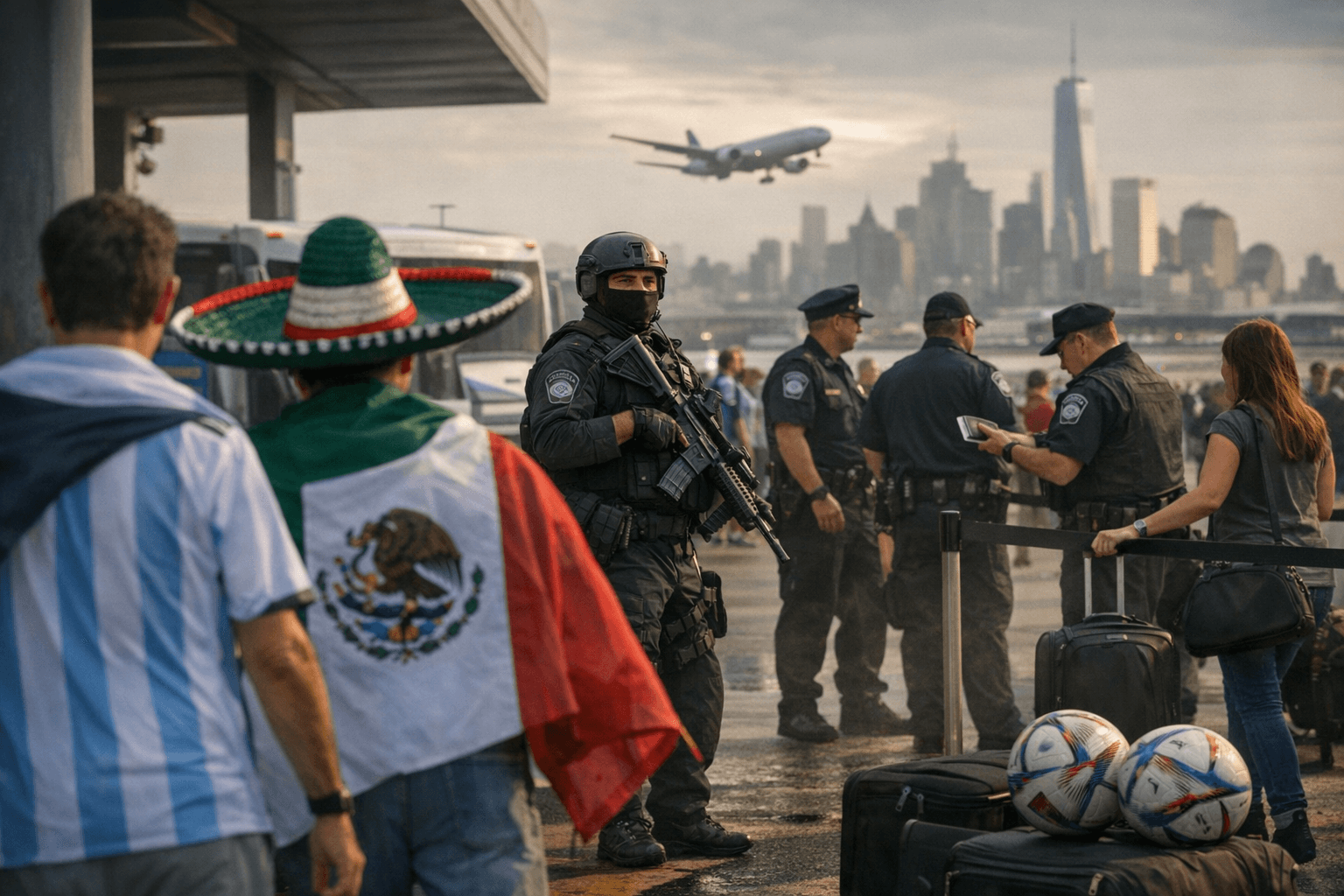
Human Rights Watch has pressed harder on the broader climate around the tournament, saying all but one host city committee either failed to provide required human-rights action plans or produced inadequate ones. The group also said U.S. Immigration and Customs Enforcement arrested at least 167,000 people in and around the 11 U.S. host cities from Jan. 20, 2025, to March 10, 2026. For some fans, that level of scrutiny can shape whether they come at all.
Cost is adding another layer of doubt. FIFA’s first-phase tickets started at $60, but some final tickets climbed to $10,990, deepening complaints that the event is pricing out ordinary supporters. Host cities still project optimism, but the race to turn the World Cup into an inbound tourism boom will depend on whether fans see the United States as welcoming, affordable and worth the risk.
This article was produced by Prism’s automated news system from verified source data, official records, and press releases, then run through automated quality and moderation checks before publishing. The system is built and supervised by the people who set the standards it runs under. Read our full AI policy.
Did this article answer your question?
.jpg&w=1920&q=75)